

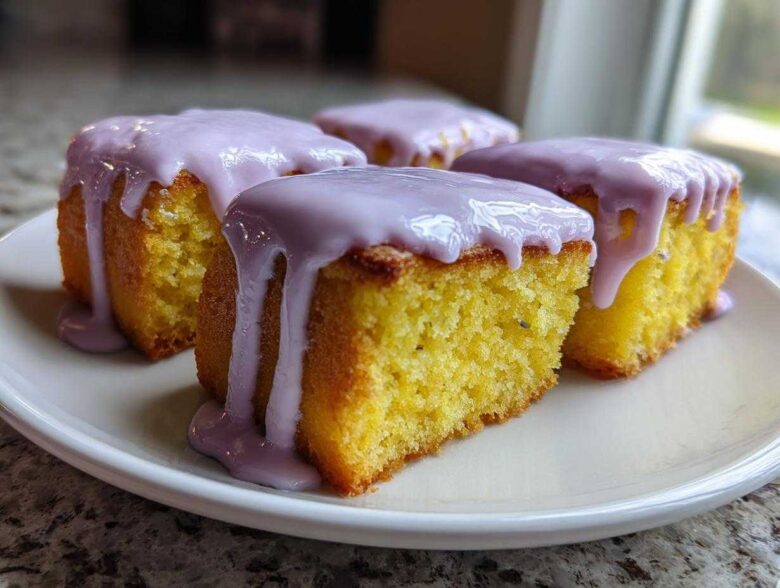
Sometimes you just don’t want a giant slice of cake staring you down, right? You want something elegant, something perfectly portioned for a fancy little tea party or just because you deserve a moment of sunshine on a Tuesday. That’s why I absolutely live for these individual lemon desserts. They are my go-to when I need something bright but also super sophisticated.
When I first tried pairing the vibrant tang of fresh lemon with the subtle, calming floral notes of lavender, I knew I had struck gold. It’s unexpected but works so beautifully together. Trust me when I say these Mini Lemon Cakes with Lavender Glaze are the perfect marriage of citrus zing and floral elegance, and they bake up faster than you think!

Why You Will Love These Mini Lemon Cakes with Lavender Glaze
Honestly, I make these all the time when I need something that looks fancy but doesn’t require me to stand over the mixer for an hour. They really check every box for an easy, elegant dessert, which is why I think they’ll become your new favorite, too.
- Perfect Portion Control: Because they are baked in a standard muffin tin, these are naturally individualized treats. No messy slicing required, which I love!
- Incredible Texture: We use the classic creaming method to ensure the cake base is wonderfully moist and tender, just the way any great lemon cake should be.
- The Brightest Citrus Kick: I load these up with both lemon zest and juice, so you get that incredible, zesty wake-up call in every single bite.
- Unexpected Floral Magic: That lavender glaze recipe offers a delicate perfume that perfectly balances the sharp lemon—it feels like springtime in a single mouthful.
- Quick Baking Time: Since they are mini, they pop in and out of the oven so fast! We’re talking less than 25 minutes of baking time for the whole batch.
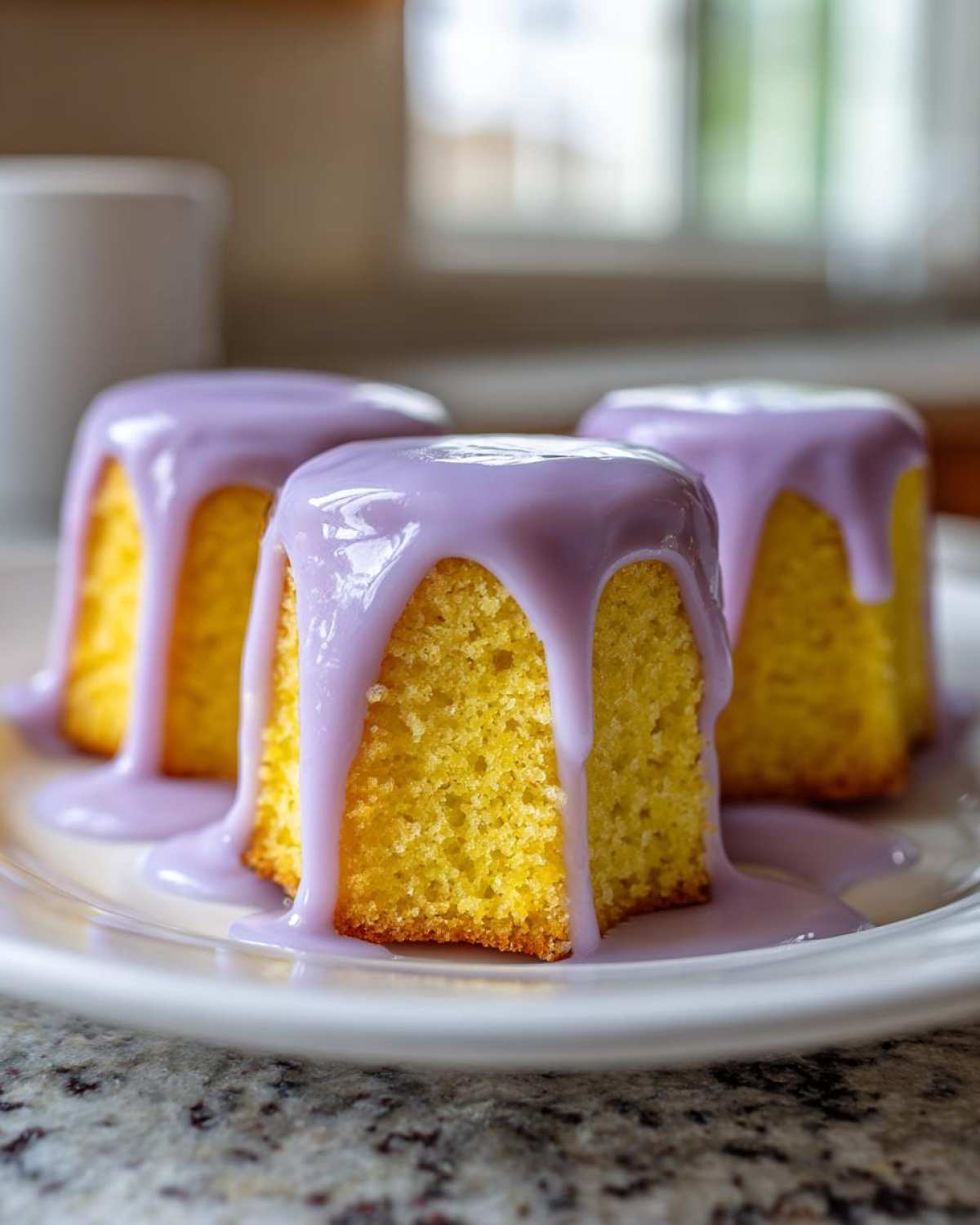
- Gorgeous Presentation: Drizzling that pale purple-ish glaze over the yellow cake makes these look like they came straight from a high-end bakery. So simple, so elegant!
They are just fantastic for making ahead for brunches or grabbing one late at night when you need a little burst of sunshine, you know?
Essential Ingredients for Perfect Mini Lemon Cakes with Lavender Glaze
When it comes to baking something as delicate as these little flavor bombs, the ingredients really do matter. We’re keeping things straightforward here—the beauty is in the quality and the contrast between the bright lemon base and that soothing floral topping. You’ll notice I’ve broken down the list so you can organize your mise en place easily. I’ve also linked my favorite recipe for lemon garlic roasted potatoes if you need another bright flavor for your menu!
Remember, for everything that calls for butter or eggs, please make sure they are at room temperature. It makes such a huge difference in getting that light crumb!
Cake Batter Ingredients: Achieving Moist Mini Lemon Cakes
These are the building blocks for a truly moist mini lemon cake. Don’t skimp here, especially on the fresh citrus!
For the Dry Mix, you’ll need:
- 1 1/2 cups all-purpose flour
- 1 teaspoon baking powder (make sure this is fresh!)
- 1/2 teaspoon salt
For the Wet Mix, we focus on flavor and fat content:
- 1/2 cup unsalted butter, softened (crucial that it is soft, not melted!)
- 1 cup granulated sugar
- 2 large eggs, room temperature
- 1/2 cup whole milk (this helps keep things tender)
- 1/4 cup fresh lemon juice (squeeze it yourself, please!)
- 1 tablespoon lemon zest (zest before you juice—it’s easier!)
Crafting the Distinctive Lavender Glaze Recipe
This is where the magic happens, but you have to be careful. Lavender can easily turn soap-like if you use too much or if you don’t prepare it right. This method guarantees you get the lovely scent without the soapy taste.
For the glaze, you only need a few things:
- 1 cup powdered sugar (or confectioners’ sugar)
- 2 tablespoons milk or water (we infuse this first!)
- 1 teaspoon dried culinary lavender buds (I stress *culinary*—no craft store lavender!)
The preparation here is key: we gently warm the liquid with the buds to gently extract that beautiful essence. You must strain out every single bud afterward, or your beautiful glaze will be gritty. I always double-strain mine just to be safe!
Step-by-Step Instructions for Mini Lemon Cakes with Lavender Glaze
Okay, let’s get baking! I know sometimes recipes with separate components—like a cake *and* a special glaze—can look intimidating, but these steps are super manageable. Just follow along carefully, and you’ll have stunning individual lemon desserts ready in no time. If you’ve ever made my vanilla buttercream frosting, you’ll recognize some of these mixing patterns.
Preparing the Cake Batter and Baking Your Mini Lemon Cakes
First things first: Preheat that oven to 350°F (175°C). Don’t skip this; cakes hate waiting while the oven warms up. Make sure you’ve got your standard 12-cup muffin tin greased and floured, or use those little paper liners if you prefer, though I find greasing works best for a non-stick release.
In a medium bowl, whisk your dry stuff—flour, baking powder, and salt—together. Just a quick blend is fine. Set that aside for now.
Now for the main action! Grab your large bowl and beat that room-temperature butter with the sugar. You need to cream them until they are honestly light and fluffy; this step is how we get air in the cake, so don’t rush it. Once fluffy, add those two eggs, one at a time, mixing well after each one goes in.
In a separate little container, whisk together your milk, that fresh lemon juice, and the zest. This is your liquid binder. Now, for the alternating dance! Add the dry ingredients to your butter/sugar mixture a little bit at a time, alternating with the lemon milk mixture. Always start and end with the dry ingredients, okay? Mix only until you see no more streaks of flour. Overmixing mini lemon cakes at this stage gives you tough little bricks, and we want tender delights!
Spoon the batter into your prepared cups. I aim for about two-thirds full. Any more than that and they tend to dome too aggressively or spill over. Pop them into that hot oven for about 18 to 22 minutes. Start checking them at 18 minutes with a toothpick right in the center. Once it comes out clean (that’s the goal!), pull them out. Let them hang out in the tin for just 5 minutes—any less and they’ll fall apart, any more and they stick. Then, transfer your cute little cakes to a wire rack to cool completely.
Infusing the Liquid for the Homemade Lavender Glaze
This step requires the most patience, but it’s crucial for that delicate floral flavor in your lavender glaze recipe. We are basically making lavender tea just for the sugar!
Take your 2 tablespoons of milk or water and put it in a *very* small saucepan. Add your teaspoon of dried culinary lavender buds right into the cold liquid. Turn the heat to low—we just want it warm, not boiling. Keep it on low for just a minute or two until you see tiny bubbles forming around the edge, then take it straight off the burner. Cover it and let those buds steep for a full 10 minutes.
Once steeped, you absolutely MUST strain this liquid. Use a fine-mesh sieve, maybe even line it with a bit of cheesecloth if you have it, and pour that lavender-infused liquid right through. Use the back of a spoon to gently press down on the buds to release every last drop of flavor. We want the flavor, not the crunch! Discard the buds. This process shows you the difference between a professional glaze and just sprinkling dried flowers on sugar.
Glazing and Setting Your Elegant Mini Cakes
This tip is non-negotiable: your mini lemon cakes must be completely cool before you hit them with the glaze. If they are even slightly warm, the glaze will just melt right off into a puddle, and you won’t get that satisfying drizzle effect.
Take your strained lavender liquid and start whisking it into the powdered sugar. You want a consistency that flows easily off the whisk but still coats the back of a spoon thickly. If you add the liquid too fast, you’ll end up with a thin, watery mess, which is why I recommend adding it drop by drop. If you accidentally go too thin, just whisk in a bit more powdered sugar.
Once you hit that perfect, pourable texture, grab your cooled cakes. Drizzle generously! Since these are individual lemon desserts, you can get creative here—classic zigzags or just letting it drip naturally down the sides works wonders. Then, patience again! Let them sit undisturbed on the wire rack until that homemade lavender glaze has set firm. Usually, about 30 minutes is all it takes at room temperature.
Tips for Success When Making Mini Lemon Cakes with Lavender Glaze
I’ve made gallons of batter, and I’ve learned a few tricks over the years to make sure these mini lemon cakes bake up perfectly every single time, especially when dealing with temperamental flavorings like lavender. Pay close attention to these little details, and you’ll really boost your baking game!
First off, let’s talk temperature for the cake base. If your butter, eggs, and milk are too cold, your creamed sugar mixture will curdle right when you add the eggs. That means no delicate air bubbles, and you end up with denser cakes. I pull my butter out about two hours early, and I keep my eggs in a bowl of warm (not hot!) water for 15 minutes before I need them. It really makes the creaming process smoother, kind of like how I make sure my butter is perfect for my soft and chewy chocolate chip cookies.
Regarding the lavender flavor—use it wisely! It’s potent. We steeped it, which helps, but if you use too much or if you don’t strain those buds out completely, your beautiful lemon cake will taste like soap. A little goes a long way in that glaze. If you’re worried about the flavor being too light, try adding just a tiny pinch of dried lavender buds directly into the cake flour mix, but only if you are sure they are super finely ground.
To get that gorgeous, vibrant yellow and bright citrus punch, make sure you add the lemon zest early, right when you are creaming the butter and sugar. The oils in the zest infuse into the fat, releasing way more flavor than if you just toss it in at the end. This is how you nail that “bright citrus dessert” look and taste!
For extra, extra moisture—and this is my favorite little secret for any citrus cake—right when the cakes come out of the oven, give the tops a quick brush with a simple syrup made from equal parts sugar and lemon juice. It soaks right in, keeps them moist for days, and really locks in that intense lemon flavor beneath the lavender glaze. But remember, only do this before you glaze them, not after!
Ingredient Notes and Substitutions for Lemon Lavender Baking
I know specialty items can sometimes stop people in their tracks! If you’ve ever tried to find culinary lavender and only found scented oils or craft supplies, I get it. Don’t let a niche ingredient keep you from these amazing mini lemon cakes. We can absolutely work around things, but we have to be smart about substitutions, especially when baking with florals.
My biggest word of warning here, which I mentioned earlier, is about the lavender itself. You simply cannot use lavender meant for sachets or potpourri. Those are treated with oils we absolutely do not want in our mouths! Always look for bags specifically labeled “culinary grade” or “food grade.” If you can find it at your local spice shop or tea supplier, that’s your best bet for getting that delightful citrus and floral balance.
Did you know you can swap out flavors easily? If you happen to love citrus but aren’t sold on lavender, you can easily transform your lavender glaze recipe into something new. Just substitute the lavender-infused liquid with strong brewed herbal tea—chamomile works wonderfully with lemon! Or, if you’re making these for someone who prefers citrus punch over floral notes, skip the infusion entirely and just use regular milk or water for the glaze, boosting the lemon juice slightly to keep the consistency right.
Also, if you’re out of milk for the cake batter, don’t panic! You can often thin out that batter using buttermilk instead, which actually gives the cakes a tiny bit of extra lift because of the extra acid reacting with the baking powder. I used buttermilk when I whipped up a batch of my blueberry scones last week, and they were unbelievable. Just remember that buttermilk works best in the cake batter, not so much in the thin glaze.
Another fun variation, if you find yourself with an abundance of fresh lime but no lemons? Lime zest and juice work just as beautifully with lavender! They create a slightly tarter, sharper profile in these elegant mini cakes. Just swap equal amounts of lemon for lime, and you’ve got a whole new treat ready for your next tea party!
Storage and Reheating Instructions for Your Petite Lemon Treats
These mini lemon cakes are really best eaten the day they are made, especially since they have that lovely, delicate lavender glaze on top. But let’s be real—sometimes we bake too much, or we want to prep ahead for a big gathering! I have a few ways I handle leftovers so they stay fresh and tasty.
Since these are individual desserts, storage is actually pretty handy. The biggest question I always get is whether to refrigerate them because of the glaze. My answer? It depends!
Storing the Glazed Cakes at Room Temperature
If you’ve got the glaze on, room temperature is preferred for up to two days, provided your kitchen isn’t sweltering hot. The cake itself is slightly rich with butter, and when it gets cold, it firms up too much. We don’t want hard little lemon pucks!
You need an airtight container, of course. I layer mine gently between sheets of parchment paper—just like how I might store those fudgy brownies—to keep them from sticking together. Make sure the glaze is completely set before you cover them, or they’ll sweat and get messy. Two days on the counter is usually my limit for peak texture.
When Refrigeration is Necessary
If you live somewhere really hot and humid, or if you need to push the freshness past two days, go ahead and refrigerate. The cold isn’t great for the cake tenderness, but it’s better than melting glaze, right? Pop them straight into an airtight container and they’ll keep safely for up to five days.
The trick here is reheating—you *must* let them come back to life before eating. Pull them out of the fridge about 30 to 45 minutes before you plan to serve them. This short warming period allows the butter in the cake to soften up just enough. Trust me, eating them straight from the fridge is a tragedy!
Freezing Your Petite Lemon Treats
Yes, you can definitely freeze these! They freeze beautifully, which is great for making ahead for Easter or a big spring event. However, you have to freeze them before you add that gorgeous lavender glaze.
Wrap each individual mini cake tightly in plastic wrap first—I usually do two layers to fight off freezer burn. Then, nestle those wrapped cakes into a heavy-duty freezer bag or an airtight container. They hold up wonderfully for about 2 to 3 months this way.
When you’re ready to use them, move the frozen cakes to the fridge overnight to thaw slowly. Once they are totally thawed (and dry on the outside from condensation), that is when you prepare your quick homemade lavender glaze and drizzle it over the top. Freshly glazed tastes best, even if the cake base was baked weeks ago!
Serving Suggestions for These Bright Citrus Desserts
These mini lemon cakes with lavender glaze are so versatile, but honestly, they shine brightest when the occasion calls for something a little bit special. I love them because they look like you spent all day fussing over them, but we know the truth—they were actually super easy!
I always pull these out when I’m hosting a slightly more formal brunch or when I’m having friends over for an afternoon coffee break. They feel really elevated, perfect for anything you’d call teatime cakes.
Perfect Pairings for Lemon Lavender Baking
Because the flavor is already so complex—bright acid from the lemon fighting beautifully with the subtle floral hint from the lavender—you don’t need much on the side. In fact, adding heavy sides can sometimes clash with that delicate herbaceous note we worked so hard to infuse into the glaze.
- For Tea Time: Keep the drinks simple. A plain black tea, like Earl Grey, is lovely, but I actually prefer a plain hot water with a slice of fresh lemon to really boost the citrus profile. Skip the milk and sugar with the tea!
- Coffee Pairings: If you’re serving these in the morning, an Americano or a simple drip coffee works well. Avoid really heavy, milky lattes; their strong dairy flavor competes too much with the glaze. Less is more when you want those elegant mini cakes to star.
- Spring Gatherings and Showers: These are my absolute go-to for baby showers or bridal luncheons. They look divine arranged on a tiered serving tray. You can easily pair them with brighter green elements, like a garnish of fresh mint clipped neatly onto the plate next to the cake.
If you happen to be making a big meal that day, like a huge Sunday dinner, I suggest keeping the dessert light. You can pair these right after a heavy meal, similar to how I use my easy weeknight bolognese sauce—it’s rich enough to be filling but light enough that it doesn’t weigh you down after a big meal. These little lemon cakes serve that same perfectly balanced role!
Presentation Tips for Your Individual Lemon Desserts
The presentation really elevates these from just “cupcakes” to true petite lemon treats. Since the glaze sets up nicely, you can move on to the visual details.
My favorite way to present them is to use small, decorative paper liners (if you used them during the bake) or serve them on crisp white dessert plates. A simple dusting of powdered sugar around the base of the cake—using a fine sieve, of course—adds a professional, snowy contrast to the pale purple glaze drizzle.
If you want a natural, rustic look, take a few tiny, fresh thyme sprigs and place one next to the cake on the serving plate. Thyme pairs incredibly well with both lemon and lavender, and it adds a beautiful, edible green element that just pops against the yellow cake. It’s a really easy way to make these bright citrus desserts look extra special without adding more flavor complexities to the cake itself.
Frequently Asked Questions About Mini Lemon Cakes
I know that baking with florals can sometimes bring up a few unique questions. It’s totally normal! Since these mini lemon cakes have a specific flavor profile, I thought I’d gather some of the things people ask me most often about the recipe, especially concerning that lavender glaze.
Can I make the cake bases ahead of time?
Absolutely! This is part of what makes these great party desserts. You can bake the mini lemon cake bases completely, let them cool, and store them in an airtight container at room temperature for about two days, or freeze them (un-glazed!) for up to three months, just like I detailed earlier. Waiting to glaze them until just before serving keeps the cake tender and prevents the glaze from weeping onto the cake. You don’t want a soggy base!
What if I absolutely cannot find culinary lavender for the glaze?
This is the most common question! If you can’t find the specific culinary buds, don’t panic and definitely don’t use craft lavender. For a good substitute, you can make a beautiful lemon glaze instead. Just follow the glaze instructions but use regular milk/water instead of infusing the liquid. To keep the flavor interesting, you can add a tiny pinch of ground cardamom or finely chopped fresh rosemary (use sparingly!) to the liquid before whisking with the powdered sugar. Or, keep it simple and just make a straight lemon glaze recipe—it’s still delicious!
How do I prevent the Lavender Glaze from being too thin to drizzle?
Ah, the consistency challenge! Glazes are notoriously finicky. If you find your glaze is too thin after mixing in the lavender-infused liquid, the fix is really simple: just whisk in more powdered sugar, one tablespoon at a time. You want it thick enough that when you lift your whisk out, the glaze drips back into the bowl in ribbons that stay *slightly* defined before smoothing out. If you accidentally go too thick, add back just a few drops of regular milk or water, not the infused liquid.
Can I use lemon extract instead of fresh lemon juice and zest?
You certainly *can*, but I would strongly advise against it if you want that bright, fresh flavor. Extract is potent and can taste artificial compared to the real thing. If you must substitute, use about 1 teaspoon of lemon extract total, but you should still use the zest! The zest holds the flavorful oils we are aiming for. Using fresh juice and zest ensures these taste like bright citrus desserts, not candy.
How long do these petite lemon treats last?
Stored correctly, the unglazed cakes stay moist for about 5 days in the fridge or 2-3 months frozen. Once glazed, I find they are at their absolute peak on the day they are made. They are still very pleasant for about 2 days at room temperature inside an airtight container. If you baked them for my recipe for crispy air fryer potato wedges earlier in the day, they are perfect for a light dessert afterwards!
Nutritional Estimate for Individual Lemon Desserts
Okay, so when you’re making something this utterly delightful, you probably aren’t grabbing the calculator first, but it’s good to have a general idea, right? Especially when you are counting out portions! Because these are individual lemon desserts, we have a pretty standard portion size, which makes tracking things a little easier than if we were cutting a giant sheet cake.
I pulled the numbers together based on the ingredients listed, but I have to give you the standard disclaimer: since we all use slightly different brands of butter, sugar, and even the size of our lemons can vary, these figures are just a good ballpark estimate. Always remember that homemade always tastes better than the stuff you buy, even if the macro count isn’t perfect!
For one glorious mini lemon cake with lavender glaze, here’s what the quick estimate looks like. If you’re tracking, compare this to my fudgy black bean brownies sometime for a fun comparison!
- Serving Size: 1 cake
- Calories: 250
- Sugar: 30g (That glaze adds up, but it’s worth it!)
- Sodium: 120mg
- Fat: 12g
- Saturated Fat: 7g
- Unsaturated Fat: 5g
- Trans Fat: 0g (We love that!)
- Carbohydrates: 35g
- Fiber: 1g
- Protein: 3g
- Cholesterol: 50mg
See? Not bad at all for such a high-impact little treat! It proves that enjoying something beautiful and citrusy doesn’t have to derail your whole day. Plus, since they are small, you are less likely to sneak a second one than if you had a massive slice of cake sitting on your counter staring you down!
PrintMini Lemon Cakes with Lavender Glaze

Bake small, individual lemon cakes topped with a delicate glaze infused with culinary lavender.
- Prep Time: 20 min
- Cook Time: 22 min
- Total Time: 42 min
- Yield: 12 mini cakes
- Category: Dessert
- Method: Baking
- Cuisine: American
- Diet: Vegetarian
Ingredients
- 1 1/2 cups all-purpose flour
- 1 teaspoon baking powder
- 1/2 teaspoon salt
- 1/2 cup unsalted butter, softened
- 1 cup granulated sugar
- 2 large eggs
- 1/2 cup whole milk
- 1/4 cup fresh lemon juice
- 1 tablespoon lemon zest
- 1 cup powdered sugar (for glaze)
- 2 tablespoons milk or water (for glaze)
- 1 teaspoon dried culinary lavender buds (for glaze)
Instructions
- Preheat your oven to 350°F (175°C). Grease and flour a standard 12-cup muffin tin or mini cake pans.
- In a medium bowl, whisk together the flour, baking powder, and salt. Set aside.
- In a large bowl, cream the softened butter and sugar together until light and fluffy.
- Beat in the eggs one at a time, mixing well after each addition.
- In a small bowl, whisk together the milk, lemon juice, and lemon zest.
- Gradually add the dry ingredients to the wet ingredients, alternating with the milk mixture, beginning and ending with the dry ingredients. Mix until just combined; do not overmix.
- Spoon the batter evenly into the prepared muffin cups, filling each about two-thirds full.
- Bake for 18 to 22 minutes, or until a toothpick inserted into the center comes out clean. Let the cakes cool in the pan for 5 minutes before transferring them to a wire rack to cool completely.
- To make the glaze, gently heat the 2 tablespoons of milk or water in a small saucepan over low heat. Add the dried lavender buds and let them steep for 10 minutes off the heat. Strain the liquid to remove the buds, pressing gently to extract flavor.
- In a small bowl, whisk the powdered sugar with the lavender-infused liquid until smooth. Add more liquid, a few drops at a time, if needed to reach a thick but pourable consistency.
- Once the cakes are completely cool, drizzle the lavender glaze over the top of each mini cake. Let the glaze set before serving.
Notes
- Use only culinary-grade lavender, as craft lavender may contain chemicals unsafe for consumption.
- For a stronger lemon flavor, you can brush the tops of the warm cakes with a simple syrup made from equal parts sugar and lemon juice before glazing.
- If you do not have dried lavender, you can finely chop 1/2 teaspoon of fresh lavender buds and steep them in the liquid for the glaze.
Nutrition
- Serving Size: 1 cake
- Calories: 250
- Sugar: 30g
- Sodium: 120mg
- Fat: 12g
- Saturated Fat: 7g
- Unsaturated Fat: 5g
- Trans Fat: 0g
- Carbohydrates: 35g
- Fiber: 1g
- Protein: 3g
- Cholesterol: 50mg