

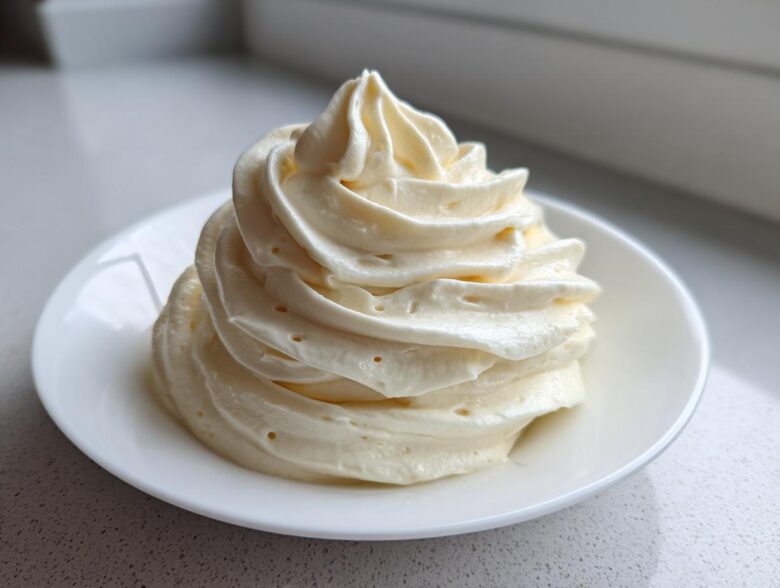
Oh, the struggle of the frosting bowl! We’ve all been there, right? You’re ready to top that gorgeous carrot cake, and what do you get? Grainy, gluey, or worse—lumpy, sad goo. Hannah and I discovered early on that the secret to turning simple moments into celebrations is having reliable foundational recipes. That’s why we guard this recipe fiercely: it’s the absolute **best classic cream cheese frosting** you will ever make. It’s velvety smooth, perfectly tangy, and it never lets us down, whether we’re decorating or just eating it with a spoon. We developed this over years of quiet kitchen testing because we believe good baking should be simple, not stressful. If you stick to these easy steps, you’ll have that perfectly fluffy topping ready in minutes. For more about how we find these trusted recipes, check out our little story over on the About Us page.
Why This Is the Best Classic Cream Cheese Frosting Recipe
We know you’ve tried other recipes that promised the world but delivered lumps or a overly sweet blob. This isn’t that! Hannah and I created this recipe specifically to conquer those pitfalls. We want you to have a frosting that works every single time. It’s honestly the best classic cream cheese frosting around.
- It delivers that truly fluffy cream cheese frosting texture that feels lighter than traditional icing.
- It sets up beautifully, making it a fantastic smooth buttercream alternative that still tastes wonderfully of cream cheese.
- It’s sturdy enough to hold its shape when piping, so no sad, melting decorations here!
Achieving a Fluffy Cream Cheese Frosting Texture
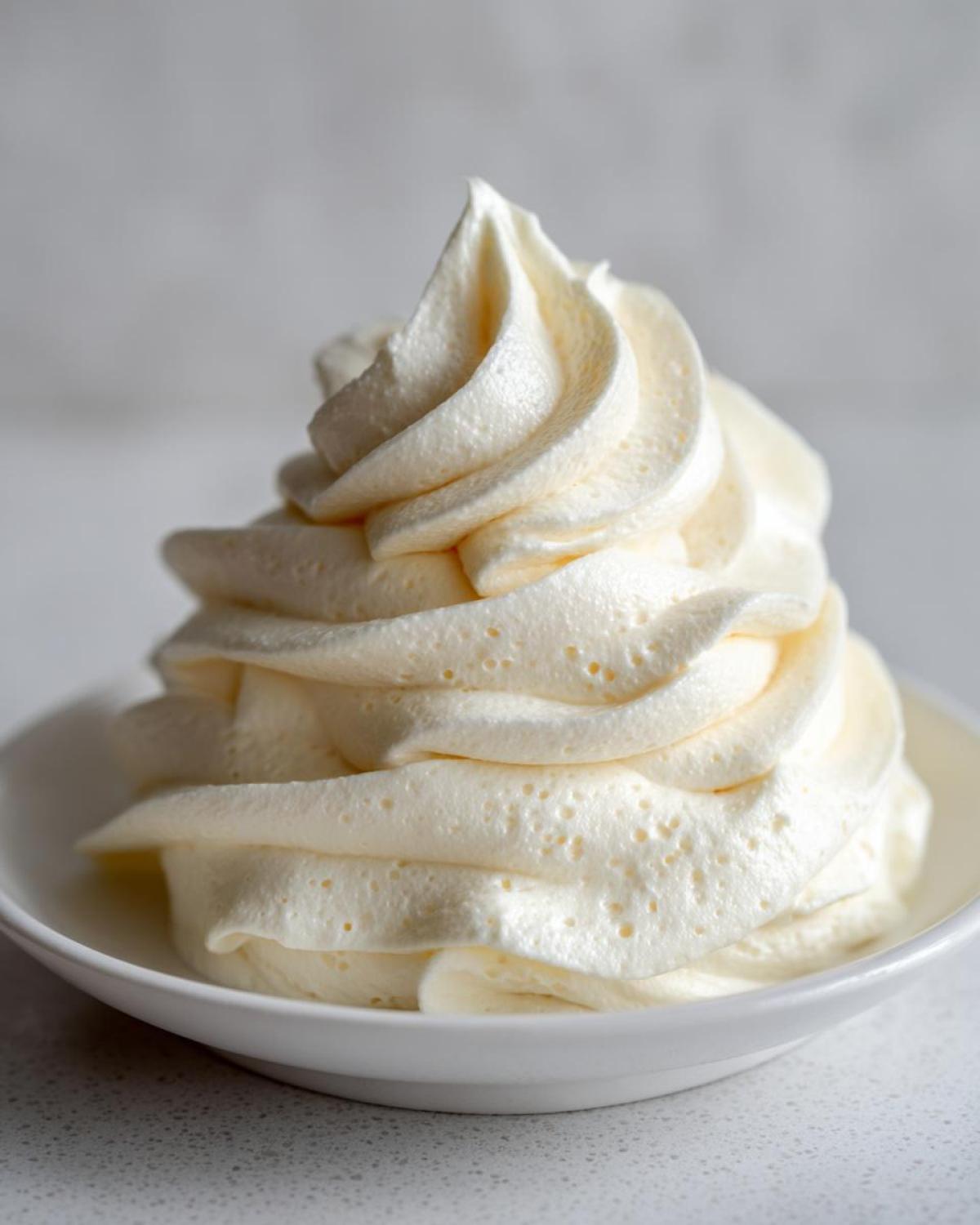
Listen, this is where most people fail, and it’s all about the temperature. If your butter or cream cheese is even slightly cold, you are guaranteed lumps. We mean it—they have to be room temperature, soft enough to press a finger into easily. This ensures a completely smooth base, which is the first step toward a no lump frosting experience. Trust Elias on this one; patience with the softening step saves you five minutes of frantic beating later!
The Perfect Balance: Tangy Cream Cheese Icing
Some recipes are so heavy on the powdered sugar that you can barely taste the cream cheese, which defeats the whole purpose! Our version focuses on that perfect, necessary bite of tanginess. We use just enough sugar to make it decadent, resulting in a vibrant tangy cream cheese icing that perfectly complements spicy cakes or sweet morning rolls.
Ingredients for Perfect Cream Cheese Frosting
When you’re making something this simple, the quality of the ingredients really sings through. I always tell Hannah that the beauty of this recipe is that it’s practically a 5 ingredient frosting—simple staples, big flavor! The real secret weapon is making sure everything is measured accurately and that two key items aren’t too cold. If you follow this list, you are set up for success.
- 8 ounces full-fat cream cheese, softened completely to room temperature. (We stress full-fat here—anything lighter has too much water, and that leads to a runny mess.)
- 1/2 cup (that’s one standard stick) unsalted butter, also softened to room temperature. No cheating with margarine here; the flavor just isn’t the same!
- 3 to 4 cups powdered sugar, carefully sifted. Seriously, don’t skip the sifting step if you want that smooth texture we talked about!
- 1 teaspoon pure vanilla extract. Use the good stuff if you can; it makes a difference!
- 1/4 teaspoon salt. This tiny bit is crucial for cutting the sweetness and making the tang pop.
That’s it! Eight ounces of cheese, one stick of butter, three to four cups of sugar, vanilla, and salt. Simple ingredients build the most amazing cream cheese topping!
How to Make Quick Homemade Cream Cheese Frosting
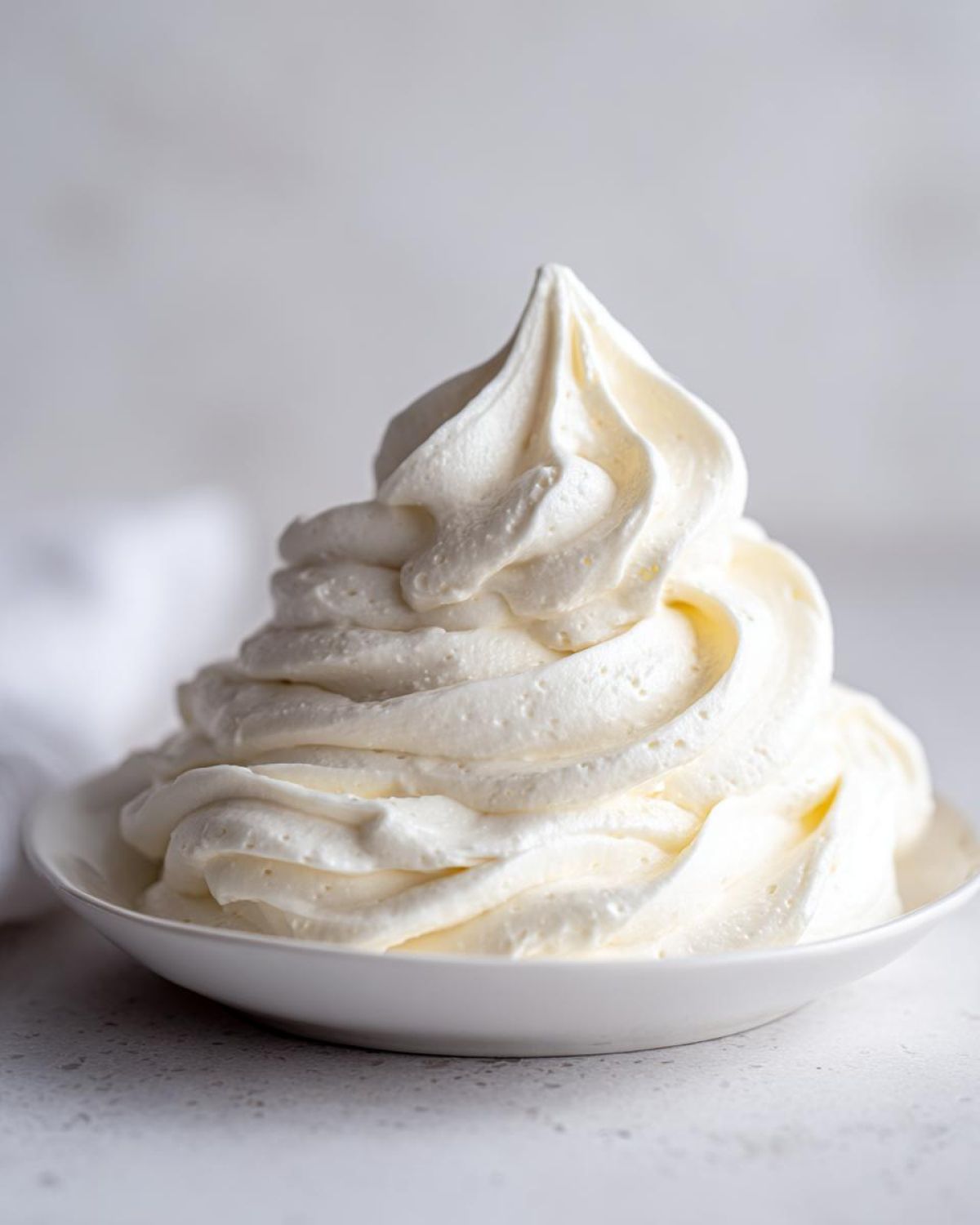
Don’t let the smooth texture fool you; this entire process is lightning fast. You can genuinely whip up a beautiful batch of this essential cream cheese topping in about ten minutes total. I usually start getting everything out while the butter and cheese are finishing up softening because speed is key here! We break it down into manageable steps, but you’ll be amazed how fast you go from ingredients to frosting. For even more speed tips, bookmark our guide on making quick homemade frosting!
We follow the structure exactly as we do for our perfect pound cake bases: fats first, then sugar slowly, then finishing by whipping air in. This guarantees you get a gorgeous texture, perfect for slathering over warm rolls or using for intricate piping work.
Step 1: Creaming the Base for Smooth Cream Cheese Frosting
This is the make-or-break moment for a no lump frosting! Grab your softened cream cheese and butter—remember, room temperature is crucial—and put them into your stand mixer bowl (or a large bowl if you’re using a hand mixer). Beat them together on medium speed. You need to keep going until that mixture is absolutely, totally, completely smooth. Don’t rush this part; it takes about two full minutes, but when it’s done, it should look like pale, velvety silk. Scrape down the sides really well before moving on so no lumps hide down there!
Step 3: Incorporating Sugar for Fluffy Cream Cheese Frosting
Okay, now that you have your smooth base, we need to gently introduce the sugar. Add your sifted powdered sugar one cup at a time while the mixer is running on the very lowest speed. This stops the sugar from puffing out and making a cloud in your kitchen! Once all the sugar is mixed in, then you crank it up to medium-high. Beat it hard for a solid two to three minutes. This beating is what introduces the air, transforming the plain mixture into that light, glorious, fluffy cream cheese frosting we are aiming for!
After that beating time, taste it! If you want it sweeter, add that last cup of powdered sugar, mix it in, and give it a final whip. If you want it a bit stiffer for piping, just let it run on medium-high for another minute. If it seems a little too soft for piping right away, don’t panic—a quick 15-minute chill in the fridge solves everything.
Tips for Pipeable Cream Cheese Frosting Stability
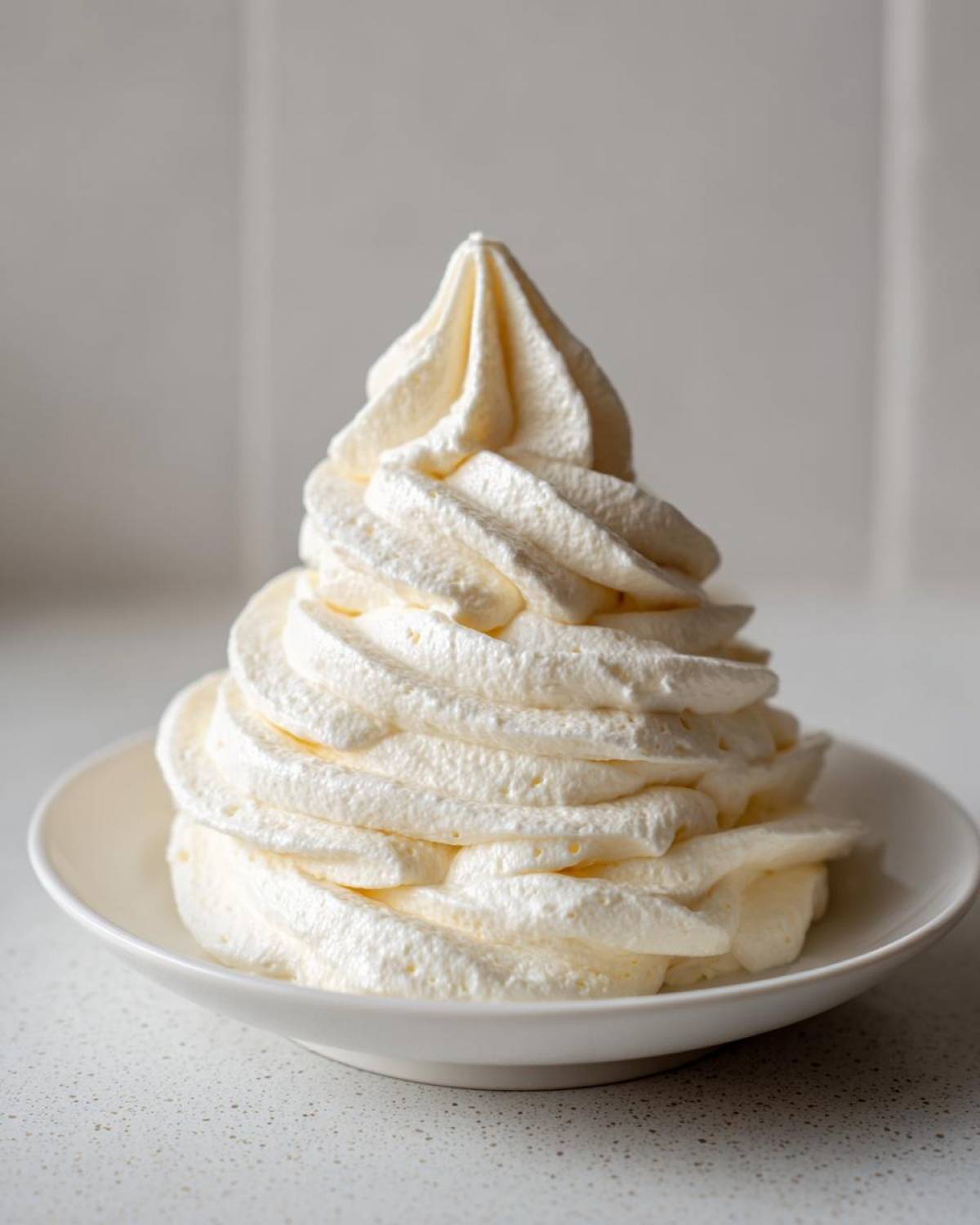
One of the reasons we love this specific recipe so much is how well it behaves, even when we try to get fancy with piping bags. If you’re looking for that beautiful definition on a cupcake swirl or sharp edges on a layer cake, you absolutely need pipeable cream cheese frosting. This stuff sets up firmer than the regular stuff, but we have a couple of Elias’s tried-and-true secrets for making it rock-solid stable.
If you’ve followed the instructions and the frosting still feels a touch too soft for intricate work, or if your kitchen is just plain hot, do not add more sugar! That just makes it gritty. Instead, cover the bowl and chill the whole batch in the refrigerator for about 15 to 20 minutes. It firms up beautifully in the cold. Also, if you’re planning on decorating ahead of time, check out our notes on making vanilla buttercream frosting, as the creaming technique is similar and really helps lock in structure.
For incredibly sturdy piping—say, for a wedding cake that needs to sit out—I sometimes whip in just a tablespoon of heavy cream on medium speed right at the end. It feels counterintuitive, but it helps the fat structure stabilize for maximum hold. Just make sure you transfer it straight to the piping bag right after that last little whip!
Versatility: Cream Cheese Frosting for Cinnamon Rolls and Cakes
This isn’t just a one-hit-wonder frosting, trust me! We have found that this recipe is honestly the best thing that has ever happened to a baked good. It performs so beautifully across the board. One batch can cover a whole layer cake, or you can use half of it to generously top a pan of fresh cinnamon rolls. Speaking of which, this is truly the ultimate cream cheese frosting for cinnamon rolls.
Because it strikes that amazing balance between rich tang and sweet fluffiness, it naturally makes the perfect frosting for red velvet cake. That slight acidity cuts right through the richness of the chocolate and cocoa powder, making the flavor profile sing. I remember the first time we used this batch to frost a triple-layer red velvet cake for my friend Sarah’s birthday last year—she actually cried a little! It was the star of the show, way more than the cake itself, which tells you something about how good this topping is.
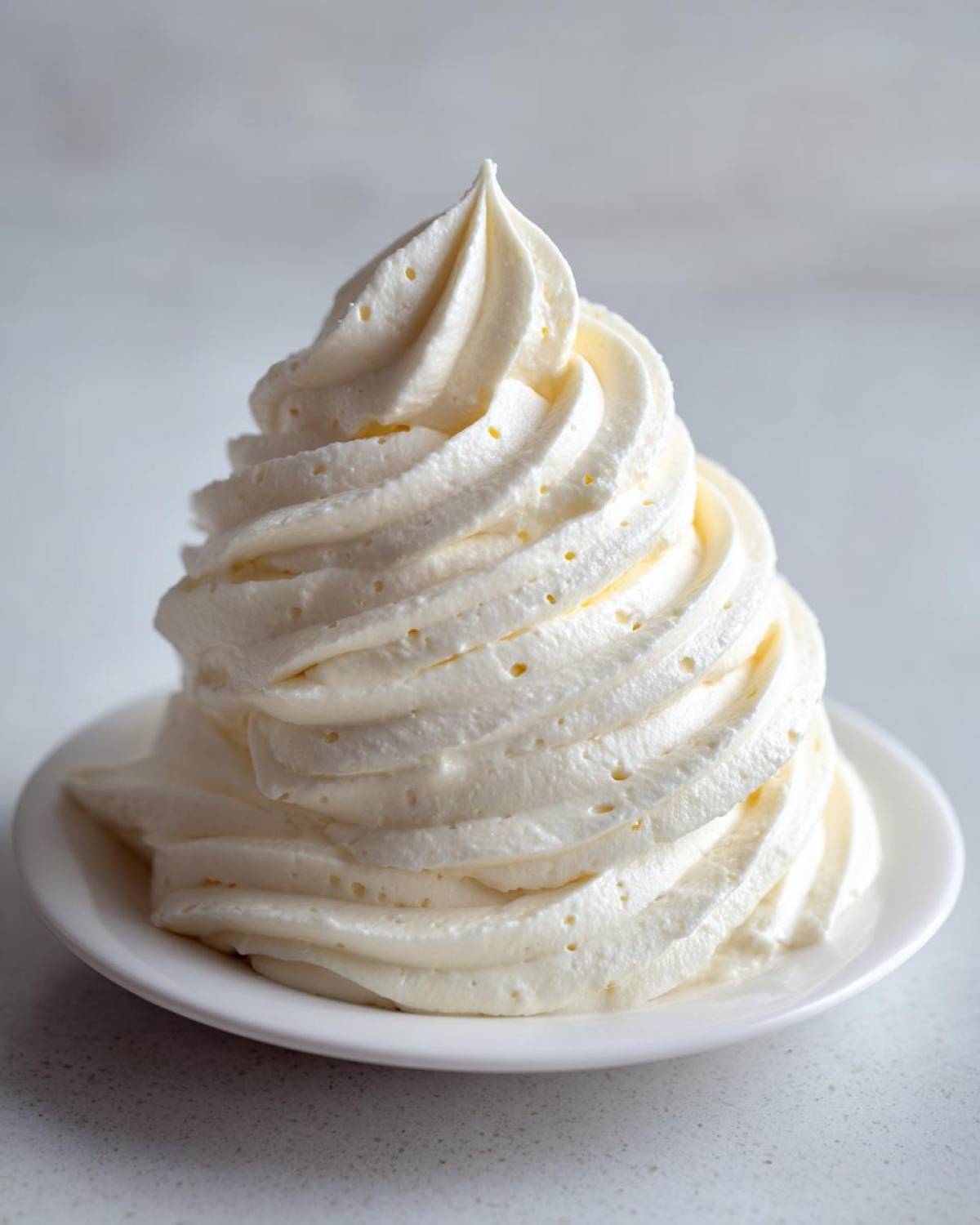
If you want it slightly less sweet for something like a breakfast pastry, remember that note in the recipe about slightly reducing the powdered sugar. It makes wonderful sense for things like our famous carrot cake, too. It’s just so wonderfully adaptable, which is what we aim for in all of our foundational recipes here at the kitchen counter.
Ingredient Notes and Substitutions for Cream Cheese Frosting
As Elias, I’m the one who usually handles the ingredient sourcing, and I can tell you that every single item in this list matters! When you have such a small ingredient list—seriously, just five main components—you can’t afford to use substitutes that water down the flavor or mess with the structure. We want you to trust this batch of cream cheese frosting completely, whether it’s being spread or piped. We’ve learned through trial and (many delicious) error what works best.
One key thing Hannah always reminds me about is the quality. We try to use pure vanilla extract every time, not imitation. You absorb flavors differently when you aren’t cooking something intensely hot, so the quality of your flavor accents really comes through in a simple basic cream cheese icing like this one.
If you’re looking for more ways to elevate simple flavors in other areas of the kitchen, I recently wrote about how we manage flavor profiles in our savory dishes, like our lemon garlic roasted potatoes. The philosophy of using high-quality staples is the same!
- The Cream Cheese Rule: Full-Fat Only! I cannot stress this enough. Low-fat or Neufchâtel cream cheese has significantly more water content than the real deal. When you add that water to your butter mix, your frosting immediately becomes loose, runny, and impossible to pipe. It really turns into more of a thin spread than a sturdy topping. If you’re aiming for that pipeable cream cheese frosting consistency, you must use full-fat bricks.
- Adjusting Salt for Tang: We call for 1/4 teaspoon of salt, but if your cream cheese brand seems a little milder or you really love that sharp, citrusy cut against the sweetness, feel free to push that to 1/2 teaspoon. Just add a tiny pinch at a time while mixing on low speed until you hit that perfect level of zing in your tangy cream cheese icing.
- The Powdered Sugar Factor: We specify sifting for a reason—it breaks up those compacted sugar clumps that look like tiny rocks in the final product. Don’t substitute granulated sugar unless you absolutely have to, because the fine texture of the powdered sugar is what gives us a smooth texture when mixing quickly.
Storage & Reheating Instructions for Cream Cheese Frosting
One of the best parts about having this reliable recipe on hand is that you don’t have to make it right before you need it! This is genuinely the perfect easy dessert topping to make ahead of time so you’re ready for unexpected guests or just a random Tuesday craving. We love being prepared here at the Flavor Vista kitchen counter!
Because cream cheese frosting contains dairy, storage is pretty straightforward, but you need to know how to wake it back up to perfection once it’s been chilling. If you’re making a big batch for a party or batch-baking cinnamon rolls for the week, keep these tips in mind.
For best results and maximum stability, this frosting needs a little nap in the fridge. When you’re ready for it again, just follow these easy steps to return it to its luscious, spreadable state. For other great make-ahead recipes that save you time on busy mornings, check out our guide on an easy make-ahead egg bake recipe!
- Chilling: Place your leftover cream cheese frosting into an airtight container. It will keep beautifully in the refrigerator for about 5 to 7 days. Make sure the seal is tight, or the cold air can dry out the top layer.
- Bringing it Back: When you pull it out, it will be rock hard—that’s normal! Do NOT try to microwave it! Instead, leave the container on the counter at room temperature for at least one to two hours. The time needed depends on how much frosting you have.
- Re-Whipping for Fluff: Once it’s soft enough to indent with your finger but still cool, put it back into your mixer bowl. Beat it on medium-high speed for just one or two minutes. This quick whip reincorporates the air you lost while chilling and brings back that light, fluffy texture we worked so hard to create. It goes from cold lump to smooth perfection almost instantly!
If you find it feels a little too soft after re-whipping (maybe your kitchen is hot!), just add a tiny dusting of sifted powdered sugar, maybe just a half-cup, and give it a quick incorporation. But honestly, if you let it warm up slowly, you rarely need to adjust the flavor or texture at all. Preparedness for baking is such a joy!
Frequently Asked Questions About Cream Cheese Frosting
When we share these simple recipes, the questions always follow, and we love answering them! Baking is a journey, and knowing how to troubleshoot common issues means you’ll always end up with that perfect, smooth buttercream alternative. We gather the most common ones here so you can quickly get back to frosting whatever delicious thing you’ve made!
If you’re looking for general kitchen inspiration outside of frostings, wander over to our main blog page—there’s always something new cooking!
Can I use low-fat cream cheese for this cream cheese frosting?
Oh, I really wish you could, but honestly, no, you shouldn’t if you value structure! Low-fat cream cheese (or lighter versions like Neufchâtel) has way too much water content compared to the full-fat block version. When you try to whip the fats together, the extra water thins everything out dramatically. This turns what should be a pipeable cream cheese frosting into a sad, soupy spread that runs right off your cake. For stability and that rich mouthfeel, stick to the full-fat bricks, softened perfectly, just like we covered above. It’s the basis for a great perfect cream cheese frosting!
How do I fix cream cheese frosting that is too runny?
Don’t cry into your mixing bowl! This happens sometimes, especially if your butter was a little too soft or if you live somewhere really humid. The fix is usually simple. If it’s only slightly too soft, just cover your bowl and pop the entire thing into the fridge for 15-30 minutes. When you bring it back out, give it a quick re-whip for 30 seconds, and it should firm right up. If it’s truly liquidy, you need more structure added via sugar. Slowly add about 1/2 cup of sifted powdered sugar while mixing on low speed, then bring it up to medium high to incorporate the air again. That will stabilize it beautifully and give you back that gorgeous, fluffy cream cheese frosting look!
Nutritional Data Estimate for Cream Cheese Frosting
Okay, let’s talk numbers for a second. Hannah always says that when something tastes this good, you probably don’t want to look too closely, but for those of you who track things or just want to know what you’re working with, here is the estimated nutritional snapshot for this amazing topping. Remember, this is based on 1/4 cup servings, and we always use standard ingredient calculations here at the Flavor Vista kitchen.
As with any homemade recipe, the specifics can vary depending on the exact brands of butter and cream cheese you end up using, so please treat this list as a helpful guideline rather than a mandate. We want you to enjoy this, not stress about it! For other excellent, easily tracked recipes, you can check out some of the delicious components over at sweet and savory meals.
- Serving Size: 1/4 cup
- Calories: 350
- Total Fat: 24g (with 15g Saturated Fat)
- Trans Fat: 0.5g
- Cholesterol: 65mg
- Sodium: 120mg
- Total Carbohydrates: 36g
- Sugar: 35g
- Protein: 2g
See? It’s rich! That fat content is what makes it so wonderfully creamy and smooth—it’s necessary for that decadent mouthfeel. But we keep the sodium nice and low! Just remember, this is the only place in the recipe where we worry about raw numbers; when you’re eating it, just concentrate on how amazing that perfect tang is!
PrintThe Best Classic Cream Cheese Frosting: Smooth, Tangy, and Pipeable

You need this recipe for the best classic cream cheese frosting. It is smooth, rich, tangy, and easy to make in under 10 minutes. This frosting holds its shape perfectly for piping on cakes, cupcakes, or spreading on cinnamon rolls.
- Prep Time: 10 min
- Cook Time: 0 min
- Total Time: 10 min
- Yield: About 3 cups
- Category: Baking Component
- Method: Mixing
- Cuisine: American
- Diet: Vegetarian
Ingredients
- 8 ounces full-fat cream cheese, softened to room temperature
- 1/2 cup (1 stick) unsalted butter, softened to room temperature
- 3 to 4 cups powdered sugar, sifted
- 1 teaspoon pure vanilla extract
- 1/4 teaspoon salt
Instructions
- Place the softened cream cheese and softened butter into the bowl of a stand mixer fitted with the paddle attachment, or use a large bowl with a hand mixer. Beat them together on medium speed until the mixture is completely smooth and creamy, about 2 minutes. Scrape down the sides and bottom of the bowl.
- Add the vanilla extract and salt to the cream cheese mixture and mix until just combined.
- Gradually add the sifted powdered sugar, one cup at a time, mixing on low speed until incorporated. Once all the sugar is added, increase the speed to medium-high and beat for 2 to 3 minutes until the frosting is light and fluffy.
- Taste the frosting. If you prefer a sweeter frosting, add the remaining cup of powdered sugar. If you want a tangier flavor, stop here. For a thicker, pipeable frosting, beat for an extra minute.
- If the frosting seems too soft for piping, chill it in the refrigerator for 15 to 20 minutes before using it to frost your cakes or cinnamon rolls.
Notes
- For the smoothest frosting, make sure your cream cheese and butter are truly at room temperature. Cold ingredients cause lumps.
- Sifting the powdered sugar is key to achieving a no lump frosting texture.
- If you are making this for cinnamon rolls, you can reduce the powdered sugar slightly to keep the topping less sweet.
- This frosting holds its shape well for piping, but if you need extra stability for warm weather or intricate designs, add 1 tablespoon of heavy cream slowly while mixing on medium speed.
Nutrition
- Serving Size: 1/4 cup
- Calories: 350
- Sugar: 35
- Sodium: 120
- Fat: 24
- Saturated Fat: 15
- Unsaturated Fat: 9
- Trans Fat: 0.5
- Carbohydrates: 36
- Fiber: 0
- Protein: 2
- Cholesterol: 65