

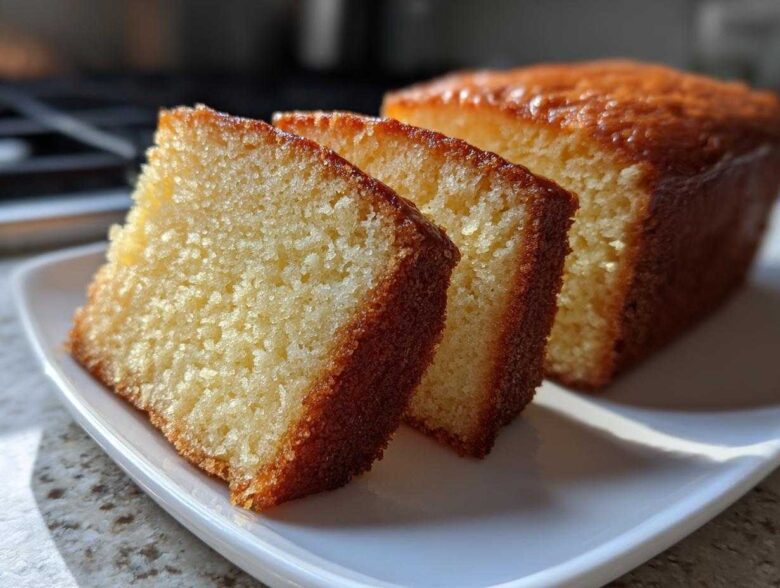
Oh, there is just nothing in the world that hits quite like a perfect slice of homemade cake, is there? Forget those airy, boxed mixes—we’re talking about something sturdy, something that feels rich when you cut into it. If you’ve ever been scared off by tales of dry, crumbly bricks masquerading as dessert, you absolutely have to try this one. This is the **pound cake** recipe I return to time and again for its perfect density and flavor. It’s a reliable, moist, and tender vanilla **pound cake** made completely from scratch, and I promise it’s going to become your go-to for potlucks, holidays, or just a Tuesday afternoon treat!
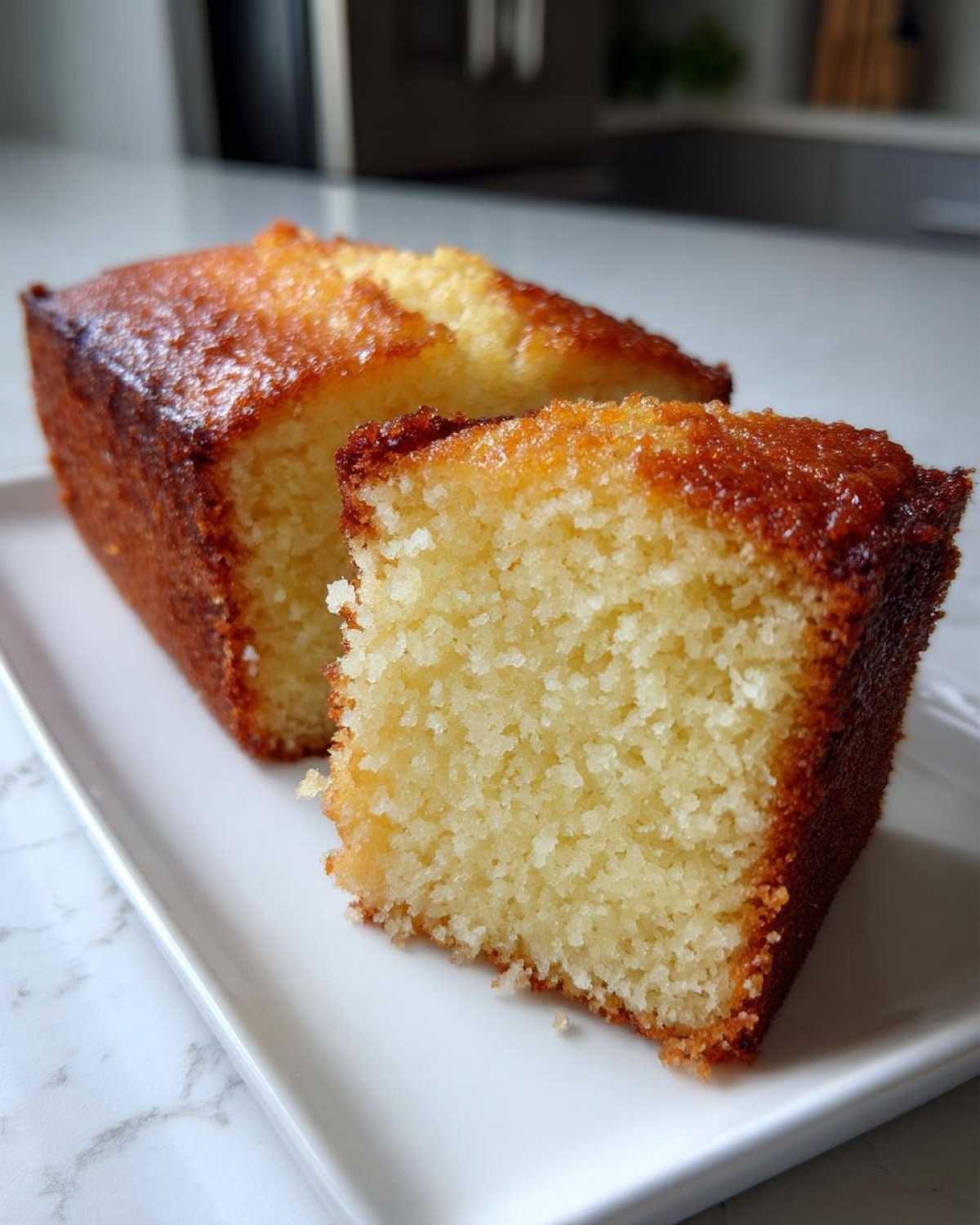
Why This Classic Pound Cake Recipe Stands Out
I’ve tried every fancy shortcut out there, but for a true classic **pound cake recipe**, you just can’t beat sticking to the fundamentals. What sets this one apart? It’s all about the starting line! Using room temperature ingredients isn’t a suggestion; it’s a requirement for this specific cake. It helps everything emulsify perfectly. If you nail this, your cake is already heading toward the status of our best chocolate chip cookies in terms of reliability!
- The ratio of butter and sugar is spot-on for that signature density.
- We use a blend of vanilla and almond extracts for a flavor that really sings.
- It relies on technique, not excessive baking powder, for its structure.
If you follow these methods, you’ll get that beautiful, tight crumb every single time.
Achieving the Perfect Pound Cake Texture
A true **pound cake** gets its structure primarily from the air you beat into the butter and sugar—that’s aeration, my friends! We aren’t looking for a light, fluffy sponge here; we want that lovely, dense butter cake feel that holds up beautifully. That’s the secret to the **perfect pound cake texture**.
Gathering Ingredients for Your Easy Pound Cake From Scratch
Okay, before we even think about touching the electric mixer, ingredient prep is everything, especially for this **easy pound cake from scratch**. Seriously, don’t skim this list! If you get your butter, eggs, and milk out of the fridge about an hour early, the batter comes together like a dream. If they’re cold, you’ll get lumps, and nobody wants a lumpy **pound cake**!
Make sure you sift that flour, too—it sounds fussy, but trust me, it prevents dense pockets and helps you incorporate everything gently later on. If you’re looking for finishing touches later, I’ve got a great recipe for vanilla buttercream frosting, but for now, let’s stick to the cake!
Here’s what you’ll need on your counter:
- 1 cup (2 sticks) unsalted butter, softened (This means soft, not melted!)
- 3 cups granulated sugar
- 5 large eggs, all at room temperature
- 1 teaspoon pure vanilla extract
- 1/4 teaspoon almond extract (Don’t skip this; it adds depth!)
- 3 cups all-purpose flour, sifted well
- 1/2 teaspoon baking powder
- 1/4 teaspoon salt
- 1 cup whole milk, also at room temperature
How to Prepare the Best Homemade Pound Cake Batter
This is where the magic happens for the **best homemade pound cake**! Get your 10-inch tube pan ready; grease it really well and dust it with flour. Trust me, a well-greased pan is your best friend when dealing with a dense cake like this. Once you have your ingredients lined up, the mixing process sets the tone for the entire bake. Knowing **how to bake a pound cake** comes down to patience here, not speed! If you wanted a decadent frosting later to top this beauty, check out my recipe for the best classic cream cheese frosting recipe.
The Creaming Method: Key to a Great Pound Cake
Grab that big bowl and let’s start creaming! You have to beat the softened butter and that sugar together until the mixture is pale yellow and actually looks fluffy. I usually set my mixer on medium-high and let it go for a full 5 minutes—don’t rush it! Those air bubbles we’re creating are what give this heavy batter structure. After that, add your eggs one by one. Make sure the first egg is totally incorporated before you even think about adding the next one. Then mix in your vanilla and almond extracts until everything is smoothly combined.
Alternating Wet and Dry Ingredients for Your Pound Cake
Now for the most critical part of keeping our **pound cake** tender: we alternate! Keep the mixer speed low once the flour comes out. Start by adding about a third of your dry flour mixture, mix just until you see it disappear, then pour in half of your room temperature milk. Repeat this—dry, then wet, then finish with the last of the dry mixture. Stop mixing the second it comes together! If you overmix once the flour is in, you’ll develop gluten, and that beautiful, dense texture will turn into tough rubber. Don’t worry about a few little streaks! Gently scrape down the sides and give it maybe two more quick pulses, then stop. Pour that beautiful batter right into your prepared pan.
No Fail Pound Cake Directions: Baking the Pound Cake
Time to get this star into the oven! We’re aiming for a low and slow bake, which is a staple in traditional pound cake baking. First things first: make sure your oven is fully preheated to 325 degrees F. This gentle heat is what allows the structure to set without collapsing. Remember how we prepared that tube pan earlier? That thorough greasing and flouring is your insurance policy against sticking, which is key for a **no fail pound cake directions** approach.
Pour that thick batter in evenly. It’s going to bake for a long time, usually between 1 hour and 15 minutes, sometimes pushing 90 minutes, depending on your oven quirks. Keep an eye on it around the hour mark. If you notice the top getting deeply golden brown before the inside is set—and this happens a lot in my oven—just gently tent a piece of aluminum foil loosely over the top. This keeps the top from burning while the center finishes baking through. You know it’s done when that wooden skewer comes out clean. Easy peasy!
If you’re looking for less oven time overall, make sure you check out my recipe for easy homemade breadsticks—they cook up way faster!
Cooling and Serving Your Pound Cake
Patience is definitely needed right at the finish line, too! You absolutely cannot flip this cake out immediately. Let it rest in that pan on a wire rack for a good 10 minutes. This lets the edges set up just enough so they don’t tear when you invert it. After that short wait, flip it over onto the rack, and let it cool completely before you even think about slicing it. If you try to slice it warm, it’ll totally steam and get gummy!
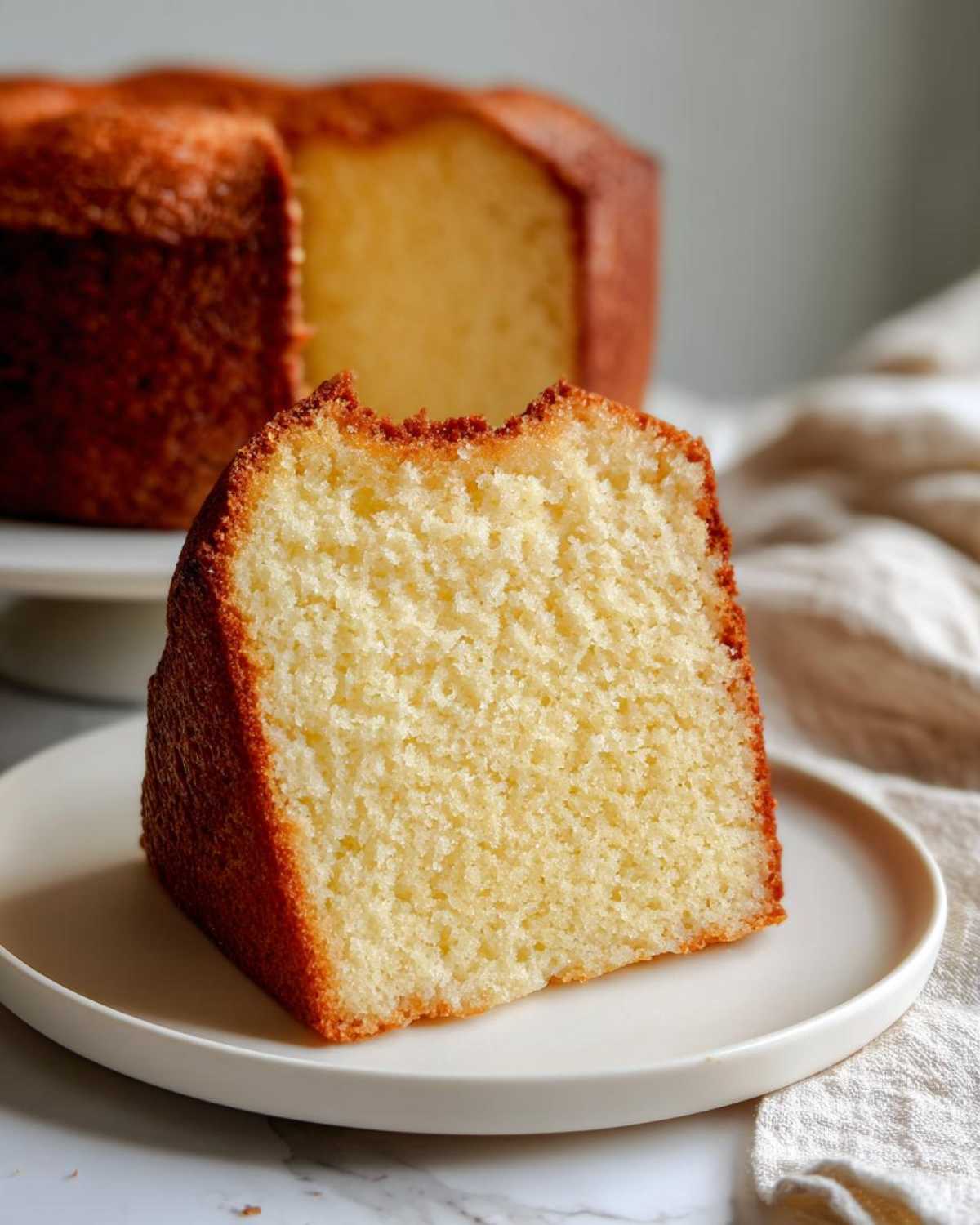
For serving, you can’t go wrong with a dusting of powdered sugar, but if you want some extra flair, I have simple **glazed pound cake ideas**. Whisk one cup of powdered sugar with about two tablespoons of milk and a half teaspoon of vanilla until it drizzles nicely. If you want a really fancy finish, you can always check out my vanilla buttercream frosting recipe, though usually, a simple sheen is all this cake needs!
Mastering Southern Pound Cake Secrets and Variations
Once you master the vanilla base, it’s time to start tweaking, right? That’s when you really unlock some of the best **Southern pound cake secrets**. My absolute favorite twist that gives a little welcome tang is turning this into a proper **Buttermilk pound cake recipe**. All you have to do is swap out that whole milk for an equal amount of room temperature buttermilk. Don’t fret about the texture changes; the acidity in the buttermilk actually helps tenderize the crumb just a touch more!
If you’re looking for something a little brighter for summer, I have another whole post dedicated to my moist lemon pound cake recipe with glaze, but you can easily add zest to this base recipe too. And speaking of Southern goodness, if you ever want to dive into another icon, I have the best fluffy Southern coconut cake recipe too!
Making a Pound Cake Variations with Citrus
For a quick, vibrant update to this dense butter cake, try adding the zest of one whole lemon or orange right into the butter and sugar mixture when you start creaming. Zest has all that beautiful, fragrant oil, and it infuses the fat beautifully during that long creaming stage. It gives the cake a lovely fresh scent when it comes out of the oven!
Troubleshooting Common Pound Cake Issues
Even with the best **Classic pound cake recipe**, sometimes things go a little sideways, right? Don’t throw that beautiful, heavy batter away! Most issues with a homemade **pound cake** boil down to temperature or mixing.
If your cake comes out seeming a bit dry, check your bake time next time. It’s easier to rescue a slightly underbaked cake than one that’s gone too far. If you want to know more about timing different baked goods, I have some thoughts on date nut bread baking times that share similar density concepts.
Why Did My Pound Cake Sink in the Middle?
This is the worst! For this rich batter, sinking usually happens because you checked it too early—don’t open that oven door before the 60-minute mark! The rush of cool air sets the outside before the middle is strong enough to support itself. Another reason is underbaking. Since this is a very **dense butter cake recipe**, it needs more time than a light sponge. Give it the full time recommended, and make sure that wooden skewer comes out genuinely clean, not just slightly damp.
Storage and Reheating for Your Pound Cake
This beautiful **pound cake** stays incredibly fresh, which is one of its best features! Always keep it stored at room temperature in a completely airtight container for up to four days. Don’t refrigerate it unless your kitchen is tropical hot, because that cold temperature can dry out the butter flavor.
If you want to enjoy a slice later, never microwave it! Just wrap a piece carefully in a damp paper towel and pop it into the oven at about 300 degrees F for about 5 to 8 minutes. Check out my tips for another delicious bread, date nut bread, for general storage advice!
Quick Facts About This Dense Butter Cake Recipe
I truly believe that transparency is part of good baking, so here are the essentials for this wonderful **dense butter cake recipe**. Knowing the times and yields helps you plan ahead—especially since this **pound cake** needs time to cool properly. When it comes to prep, it flies by, but the baking time is significant!
You can read all about my baking philosophy over on the About Us page if you’re curious!
Estimated Nutritional Data for Your Pound Cake
Please remember these figures are just general estimates based on the ingredients we used. They can certainly change based on what kind of icing, if any, you decide to pour on top!
- Serving Size: 1 slice
- Calories: 420
- Fat: 25g
- Carbohydrates: 48g
- Protein: 5g
Classic Vanilla Pound Cake
A reliable recipe for a dense, moist, and tender vanilla pound cake made from scratch.
- Prep Time: 20 min
- Cook Time: 90 min
- Total Time: 110 min
- Yield: 12 servings
- Category: Dessert
- Method: Baking
- Cuisine: American
- Diet: Vegetarian
Ingredients
- 1 cup (2 sticks) unsalted butter, softened
- 3 cups granulated sugar
- 5 large eggs, room temperature
- 1 teaspoon vanilla extract
- 1/4 teaspoon almond extract
- 3 cups all-purpose flour, sifted
- 1/2 teaspoon baking powder
- 1/4 teaspoon salt
- 1 cup whole milk, room temperature
Instructions
- Preheat your oven to 325 degrees F (160 degrees C). Grease and flour a 10-inch tube pan or bundt pan.
- In a large bowl, cream together the softened butter and sugar until light and fluffy, about 5 minutes.
- Beat in the eggs one at a time, mixing well after each addition. Mix in the vanilla and almond extracts.
- In a separate bowl, whisk together the sifted flour, baking powder, and salt.
- Gradually add the dry ingredients to the wet ingredients, alternating with the milk. Begin and end with the flour mixture. Mix only until just combined; do not overmix.
- Pour the batter into the prepared pan.
- Bake for 1 hour and 15 minutes to 1 hour and 30 minutes, or until a wooden skewer inserted into the center comes out clean.
- Let the cake cool in the pan on a wire rack for 10 minutes.
- Invert the cake onto the wire rack to cool completely before slicing or glazing.
Notes
- Use room temperature butter, eggs, and milk for the best batter consistency.
- Sifting the flour helps create a lighter texture in this dense cake.
- If the top browns too quickly during baking, loosely tent it with aluminum foil.
- For a simple glaze, whisk 1 cup powdered sugar with 2 tablespoons milk and 1/2 teaspoon vanilla extract. Drizzle over the cooled cake.
Nutrition
- Serving Size: 1 slice
- Calories: 420
- Sugar: 35
- Sodium: 150
- Fat: 25
- Saturated Fat: 15
- Unsaturated Fat: 10
- Trans Fat: 0.5
- Carbohydrates: 48
- Fiber: 1
- Protein: 5
- Cholesterol: 110