

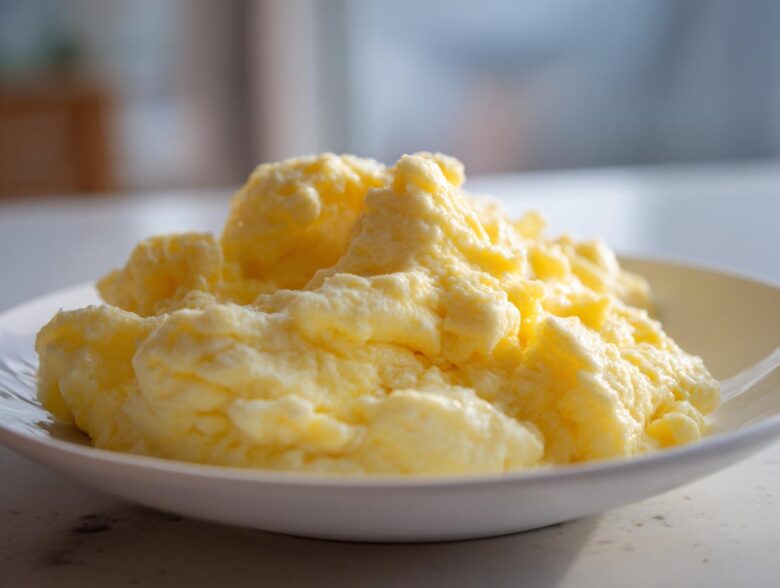
Oh, friend, let’s talk about the absolute heartbreak of dry, rubbery eggs. I’ve been there too many times! You start with such hope for a cozy morning comfort food, and BAM—your breakfast tastes like yesterday’s leftovers. For years, I thought mastering scrambled eggs was some mythical talent reserved only for fancy diner chefs. My early attempts were either soupy messes or little rubbery curds. I wasted so many eggs trying to crack the code, but I finally figured out the perfect technique. This isn’t just another quick egg meal; this is the definitive guide that finally teaches you how to get them perfectly fluffy and luxuriously creamy at the same time. Trust me, once you try this method for your scrambled eggs, you’ll never go back to the old way.
Why This Is The Ultimate Fluffy and Creamy Scrambled Eggs Recipe
So why are my scrambled eggs different? Well, I finally stopped rushing them! This recipe is the perfect 5-minute breakfast that delivers gourmet results without any fuss. It’s all about technique, not complicated ingredients. You get that light, airy lift without sacrificing the rich, buttery taste we all crave in our classic breakfast dishes.
- They are ridiculously quick—ready in under 8 minutes total!
- You get the impossible combination: genuinely fluffy airiness mixed with a beautiful, velvety texture.
- This low-carb breakfast option relies on pure technique for maximum flavor payoff.
Achieving Perfect Egg Texture Tips
The secret spot is dancing right between fluffiness and creaminess. Fluffy comes from how much air you incorporate when you whisk—don’t be shy about that first step! Creamy, though, that comes from patience; we cook these eggs low and slow. If you use a little extra fat, like the butter specified here, it helps carry that richness through every bite. This method avoids tough, curdled results entirely, giving you those lovely soft cooked eggs every time.
Ingredients for Perfect Scrambled Eggs
When you’re making something simple like our ultimate scrambled eggs, the quality and preparation of your starting materials really shine through. We are keeping the ingredient list short because we want the technique to do the heavy lifting, but these exact measurements are critical for that signature fluffy and creamy texture. You need four really good large eggs, about two tablespoons of whole milk or, my preferred choice, heavy cream, a teaspoon of good unsalted butter, and just a pinch of salt and pepper to finish it off. Don’t skip the butter—it’s essential for that non-stick pan and for achieving that gourmet egg breakfast base.
Ingredient Notes and Substitutions
Okay, let’s talk dairy. If you want the fluffiest eggs possible, milk works fine because it adds just a little steam. But if you want that rich, velvety scrambled egg texture that melts in your mouth, swap the milk for heavy cream. Seriously, a little extra fat goes a long way toward silkiness! If you’re planning on adding things like fresh chives or a sharp cheddar cheese (which I totally recommend for a mid-week treat), wait until the very end to fold them in. Adding cheese too early can break up the coagulation process and prevent that perfect soft cook. This is how you turn a simple egg technique into something special every time.
Simple Egg Techniques for Amazing Scrambled Eggs
This is where most people go wrong with their scrambled eggs! You can have the best butter in the world, but if you don’t aerate properly, you’re missing out on major fluff. Before you even look at the stove, grab your whisk and beat those eggs like you mean it! I’m talking go-for-it, vigorous whipping until the whites and yolks are one uniform pale yellow color, and you see a little bit of froth forming on top. That froth? That’s air. That air is what turns dense yolks into these light, pillowy clouds when they hit the warm pan.
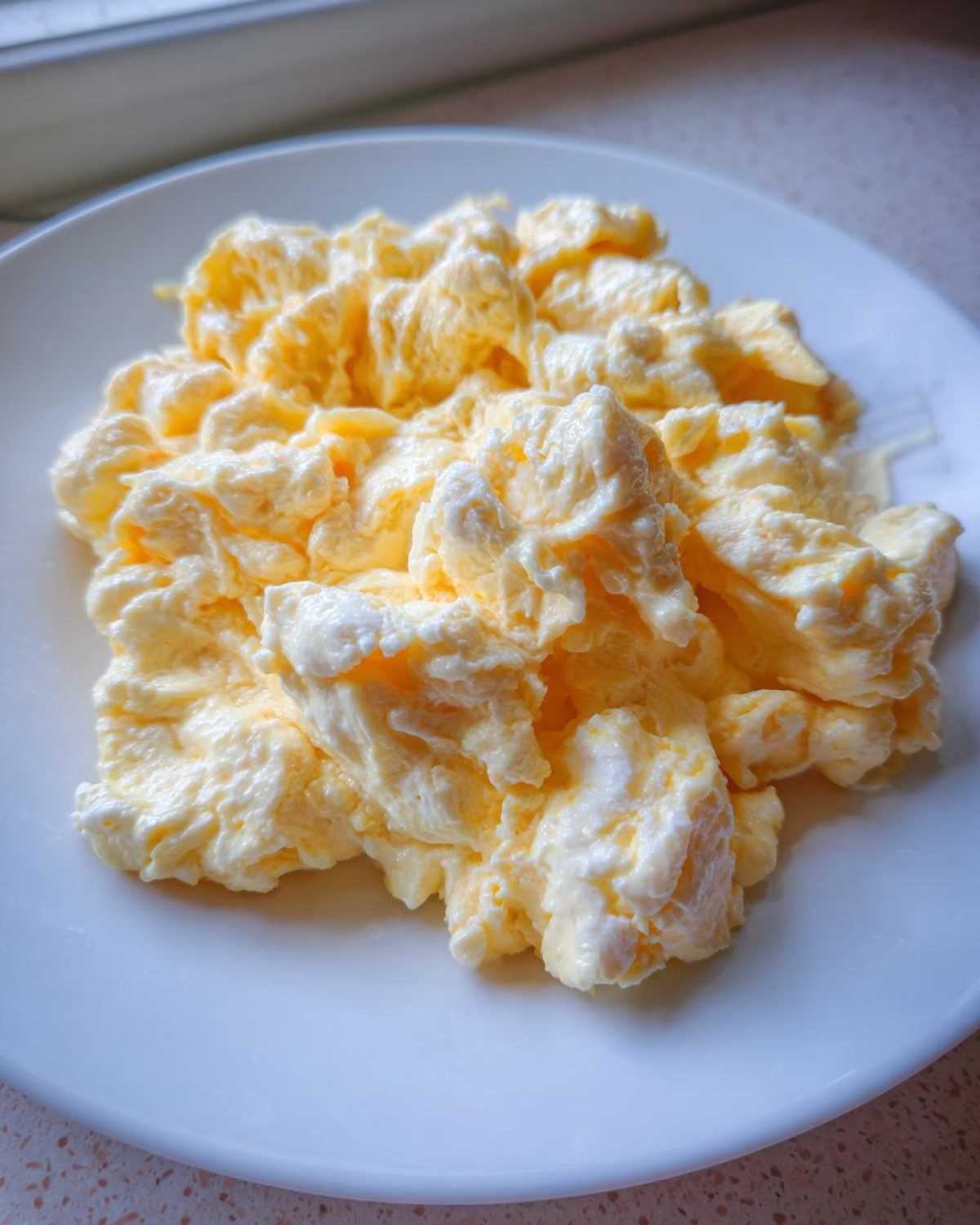
If you see any stringy bits of clear egg white left over, you haven’t whisked enough. Keep going until it’s perfectly smooth. This thorough blending step is fundamental for achieving that fluffy result everyone craves. It saves you minutes later because you won’t be trying to vigorously scramble curdled eggs; you’ll just be gently folding. That’s all it takes to elevate your simple egg techniques!
How To Make Creamy Scrambled Eggs: Step-by-Step Instructions
Alright, now that our eggs are frothy and ready to go, we move to the stovetop, and this is where patience pays off big time. Forget high heat; that’s the express route to shoe leather! For truly luxurious, creamy scrambled eggs, you need low heat. Melt that teaspoon of butter in your best non-stick skillet until it just barely foams—if it browns, wipe it out and start over! Pour in that vibrant yellow liquid and just let it sit there, undisturbed, for about 30 seconds. You should see the very edges just starting to firm up a tiny bit.
Next comes the gentle art of folding. Grab your rubber spatula and gently push the cooked egg from the outer edge toward the center. Do this slowly, tilting the pan so the runny egg flows right underneath where the heat is. Keep repeating this slow push-and-fold motion. You aren’t scrambling fast; you’re coaxing them into soft curds. This low and slow cooking process is what allows the fats and dairy to emulsify beautifully, guaranteeing those soft cooked eggs.
Keep going like this until the eggs look mostly set—and I mean *mostly*! They should still look glossy, wet, and slightly underdone. This is the make-or-break moment for creamy scrambled eggs.
The Crucial Step: Removing Eggs From Heat
Here’s the biggest secret chefs use: you must take them off the heat while they are still visibly wet! Seriously, pull the pan off the burner when they look slightly too runny. Residual heat, what we call carryover cooking, is powerful stuff. If you wait until they look perfectly done in the pan, they will firm up into dry clumps on your plate. Taking them off early keeps them glossy, stops them from becoming tough, and locks in that velvety scrambled eggs finish.
Tips for Success When Making Scrambled Eggs
I’ve got a few tried-and-true warnings to make sure your journey to perfect scrambled eggs is smooth sailing. You don’t want tough eggs, right? Follow these super simple rules and you’ll be impressing everyone with your breakfast skills.
- Don’t Overcook Your Pan: Seriously, pre-heat that non-stick skillet on low for a good minute or two before the butter goes in. Trying to cook eggs in a pan that hasn’t reached an even, gentle warmth is a guaranteed way to burn the bottom before the top sets.
- Salt at the Right Time: My old rule was never to salt until the end, but I’ve changed my tune on this, especially when cooking low and slow. Add the salt when you whisk in the milk or cream. It helps break down the proteins a tiny bit, leading to a softer curd, but don’t add too much right away—you can always add more at the plate.
- Don’t Overcrowd the Pan: If you’re cooking for more than two people, do it in batches! Trying to cook six eggs at once lowers the temperature too fast and you end up steaming the eggs instead of gently cooking them. It’s worth the extra minute to cook them separately for quality control.
- The Right Spatula Matters: Ditch the metal! You need a heat-resistant silicone spatula. It allows you to scrape every last bit of the soft-set egg off the bottom and fold it over gently without scratching up your non-stick surface.
Variations for Your Scrambled Eggs
Once you have mastered the base technique for soft, creamy scrambled eggs, it’s time to start playing around a little! The beauty of these eggs is that they are the perfect, mild canvas for so many flavorful additions. You don’t need a complicated recipe to dress them up; just a little sprinkle or stir-in at the right moment.
For a fantastic upgrade to your Quick Egg Meals, start folding in your extras during that final 30 seconds before you pull the pan off the heat. If you’re making scrambled eggs with cheese, use a sharp cheddar or smoked Gouda—it melts beautifully into the glossy curds. If you love green flecks, finely snipped scrambled eggs with chives are just divine. They add that little oniony pop that brightens the whole plate.
Gourmet Egg Breakfast Additions
If you feel like making this a real showstopper—a true gourmet egg breakfast—don’t stop at chives! Try stirring in a tiny drizzle of white truffle oil right at the end. Wow, the savory punch is incredible. Or, for a lovely brunch addition, top your soft cooked eggs with a little finely diced smoked salmon. It turns this simple dish into something really special without adding any extra cooking time.
Storage and Reheating Instructions for Scrambled Eggs
Okay, so this is the one sticky point about making perfect, soft, creamy eggs: they really, *really* don’t like leftovers. Because they are cooked so gently and they rely on that beautiful, glossy moisture, they tend to firm up and get a little sad once they cool down completely. I know we all love leftovers, especially for a fast morning like those 5 minute breakfast options, but for these particular eggs? Eat them immediately.
If you absolutely must save some, stick them in an airtight container immediately—don’t let them sit on the counter! They’ll keep okay in the fridge for maybe a day, tops. When it comes to reheating, forget the microwave; it’ll turn them instantly into dry little pucks. Your best bet is to use a small, non-stick pan over the absolute lowest setting on your stove. Add a tiny splash of milk or heavy cream for every half cup of leftover eggs you have.
Gently fold them together just until they are warm again. You want to reintroduce some moisture and break up any large curds that formed while chilling. Be warned though, they won’t ever have that original fluffy texture, but this method keeps them miles better than zapping them for 40 seconds on high power!
Frequently Asked Questions About Scrambled Eggs
I get so many questions about these simple egg meals, and honestly, it’s usually because people are overcomplicating their scrambled eggs! I promise that if you stick to the low-and-slow method we discussed, you solve about 90% of your issues. But let’s clear up the rest of the confusion so you can master this classic breakfast dish once and for all.
Do I need to add milk or water to my scrambled eggs?
This is a fun debate! For fluffy eggs, some folks swear by adding a spoonful of water because it turns to steam and gently lifts the proteins. But for my creamy, velvety scrambled eggs, I always use whole milk or heavy cream. The cream adds richness and fat, preventing the curds from getting dry and ensuring a smoother final texture. You don’t strictly *need* liquid, but I find it helps keep things luxurious for a simple breakfast.
What is the secret to making soft cooked eggs?
It all boils down to two things we covered: low heat and aggressive heat management. You cook them slowly over the lowest flame you dare use, which prevents hardening, and then you pull the pan off the heat when they still look wet—usually about 80% done. That carryover cooking does the rest of the work! That’s the key to tender, delicious scrambled eggs.
Can I use these scrambled eggs for meal prep?
Well, as I mentioned, soft cooked eggs don’t love being reheated, but if you must prep ahead, make them slightly *less* done than you normally would—aim for about 70% cooked. Store them flat in a container. When you reheat them gently on the stovetop with a splash of milk, they hold up better than if you cook them fully in the first place. It’s a good trick for quick egg meals when you’re in a pinch!
Are these good low carb breakfast eggs?
Absolutely! If you ditch the milk and use heavy cream instead, or skip the dairy entirely and just use butter and whisk really well, these become wonderfully low carb. Eggs are naturally low in carbs, so as long as you aren’t serving them on toast, they make a phenomenal, wholesome morning food option!
Nutritional Estimates for These Scrambled Eggs
I know some of you folks count macros or are watching your intake, so I pulled together some ballpark numbers for this recipe. Keep in mind, since we are using butter and heavy cream (my choice for maximum flavor!), these numbers reflect a richer version designed for comfort rather than ultra-lean, low-fat eating. These estimates are based on four large eggs and the full amount of heavy cream!
If you are watching your sodium or cholesterol, remember you can always reduce the salt or use egg whites only, although I wouldn’t recommend it for flavor!
- Calories: Around 200 per serving
- Fat: Approximately 15g (that 8g of saturated fat comes mostly from that lovely butter and cream!)
- Protein: A solid 12g to keep you full until lunch.
- Carbohydrates: Very low, about 2g. Perfect for a low carb breakfast eggs morning if you skip the toast!
Please remember these are estimates! If you substitute ingredients, especially the dairy, your final count will change. But as far as wholesome morning food goes, eggs are a fantastic base, and this method maximizes their taste without adding a ton of fillers.
PrintThe Ultimate Fluffy and Creamy Scrambled Eggs Recipe
Learn the simple technique for making perfectly fluffy yet creamy scrambled eggs every time using low heat and gentle stirring.
- Prep Time: 3 min
- Cook Time: 5 min
- Total Time: 8 min
- Yield: 1 serving
- Category: Breakfast
- Method: Stovetop Cooking
- Cuisine: American
- Diet: Vegetarian
Ingredients
- 4 large eggs
- 2 tablespoons whole milk or heavy cream
- 1 teaspoon unsalted butter
- Pinch of salt
- Pinch of black pepper
Instructions
- Crack the eggs into a medium bowl. Add the milk or cream, salt, and pepper. Whisk vigorously until the yolks and whites are completely combined and slightly frothy.
- Place a non-stick skillet over low heat. Add the butter and let it melt completely until it foams slightly. Do not let the butter brown.
- Pour the egg mixture into the warm skillet. Let the eggs sit undisturbed for about 30 seconds until the edges just begin to set.
- Using a heat-resistant rubber spatula, gently push the cooked egg from the edge toward the center, tilting the pan so the uncooked egg flows underneath.
- Continue this gentle pushing and folding motion slowly, allowing the eggs to cook evenly over the low heat. Do not stir rapidly.
- When the eggs are mostly set but still look slightly wet and glossy (this is key for creaminess), remove the pan from the heat immediately. The residual heat will finish the cooking process.
- Serve right away for the best texture.
Notes
- For extra fluffiness, use a whisk to incorporate a small amount of air into the eggs before cooking.
- For a richer, creamier result, substitute the milk with heavy cream.
- If adding cheese, stir it in during the last 30 seconds of cooking, just before removing the pan from the heat.
- Cooking low and slow prevents the eggs from becoming tough or dry.
Nutrition
- Serving Size: 1 serving
- Calories: 200
- Sugar: 1
- Sodium: 150
- Fat: 15
- Saturated Fat: 8
- Unsaturated Fat: 7
- Trans Fat: 0
- Carbohydrates: 2
- Fiber: 0
- Protein: 12
- Cholesterol: 400