

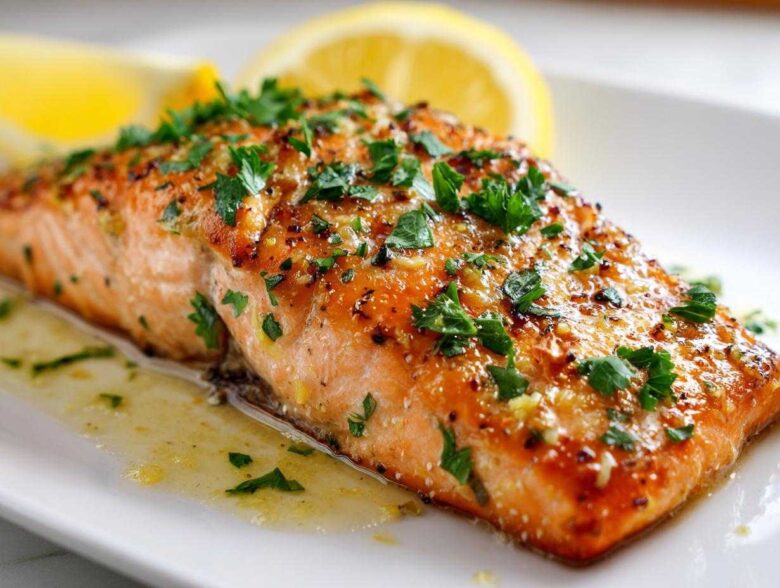
Oh, the weeknight dinner scramble! I swear, some days I stare into the fridge at 5:30 PM and panic sets in. That’s why I developed this absolute favorite: my ultimate **baked salmon recipe**. Forget dry, rubbery fish that tastes like sadness; this one guarantees you get that impossibly juicy, flaky result every single time you pop it in the oven. Seriously, after failing spectacularly with salmon more times than I care to admit, this preparation—loaded with bright lemon and savory garlic butter—is the version I rely on. It’s fast, it’s simple, and it always delivers big flavor when you have zero energy left.
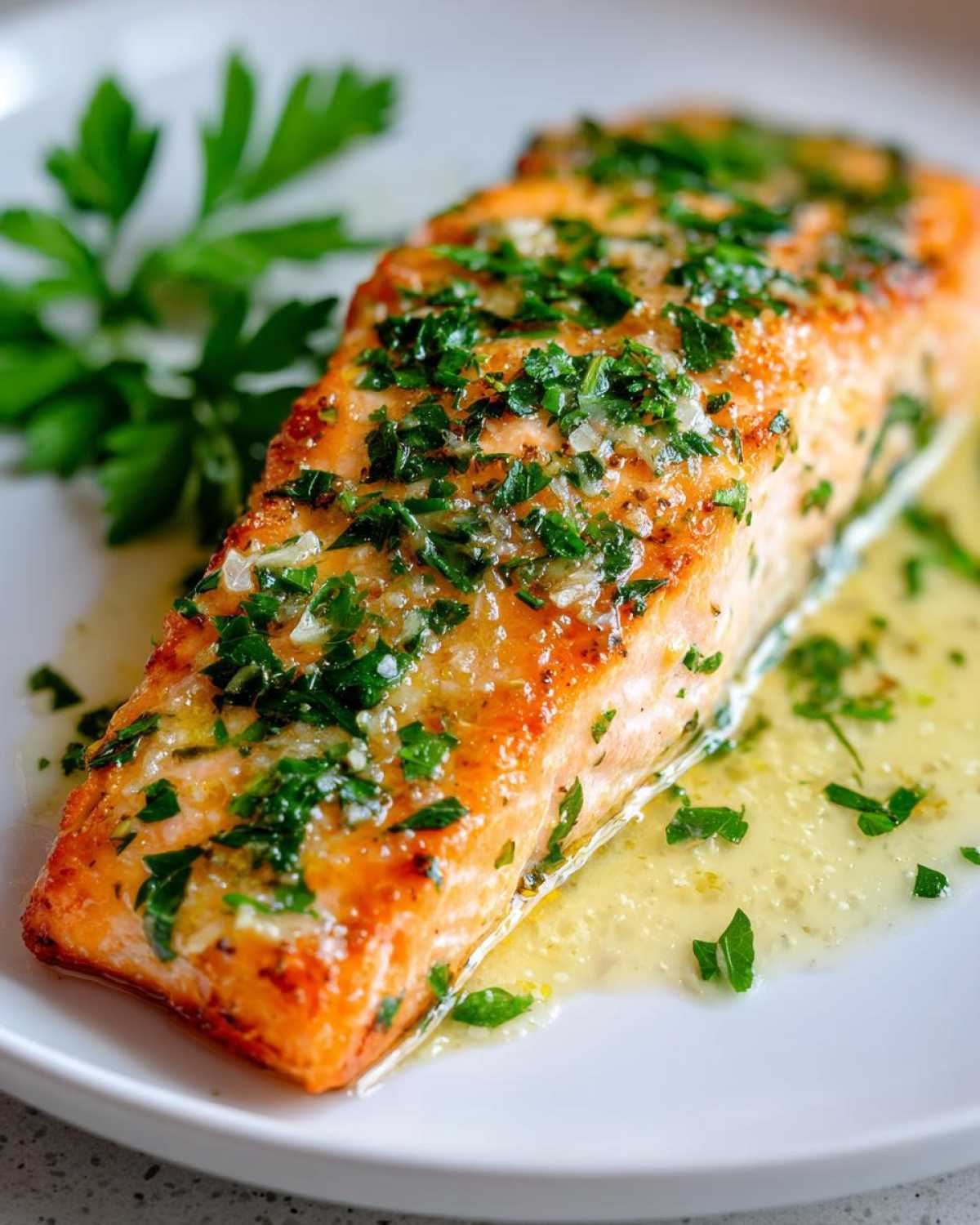
Why This Lemon Garlic Butter Baked Salmon Recipe Wins (Weeknight Winner)
Why bother messing around with complicated sauces or messy stovetop searing when you can get perfection straight from the oven? This isn’t just another fish recipe; it’s your new weeknight secret weapon. Trust me, this one always shows up ready to perform!
- It’s seriously fast—we’re talking prepped and in the oven in under five minutes, done cooking in 15. Ready in under 20 minutes total!
- The flavor combo of zest, garlic, and butter is incredible without needing a long marinade time.
- This specific technique locks in moisture, guaranteeing those soft, tender flaky salmon oven results you crave. I’ve even used it for sheet pan meals when I need zero dishes!
Gathering Ingredients for Your Easy Baked Salmon Recipe
Okay, this is the part where we assemble our flavor team! Since this is such a simple preparation, the quality of what you use really shines through. You don’t need a mile-long list of fancy stuff, just a few core components we’re going to treat right. For four people, you’ll want four nice salmon fillets, about six ounces each. Whether you keep the skin on or slice it off is totally your call, but I usually leave mine on for extra moisture insurance!
Then comes the magic sauce mixture. You’ll need two tablespoons of melted butter—and please, use the real stuff, it makes a difference! Whisk that with two cloves of garlic that you’ve minced super fine, one tablespoon of fresh lemon juice, a teaspoon of zest (don’t skip the zest, seriously!), salt, and pepper. A tiny sprinkle of fresh parsley at the end gives it that restaurant look.
Ingredient Notes and Substitutions for Juicy Baked Salmon
When selecting your salmon, remember that thickness matters most when we talk about baking time later on. If your fillets are super thick, give them an extra minute or two in the oven. If you’re using frozen salmon, make sure it’s fully thawed first—trying to bake it straight from frozen usually results in an uneven cook, which is the enemy of juicy baked salmon!
And I have to preach this: use *fresh* lemon juice. That bottled stuff just doesn’t have the bright, acidic pop needed to cut through the richness of the butter. Fresh garlic, fresh juice—that’s the secret sauce for a successful easy baked salmon recipe.
Step-by-Step Instructions for the Best Oven Baked Salmon
Getting that perfect bake is all about setting the stage correctly. First things first: get that oven cranking! We need it hot at 400°F (200°C). While it’s heating up, line your sheet pan with parchment paper. Trust me on the parchment here; it lifts right off, which saves you precious seconds—we’re aiming for a quick oven salmon dinner, remember? Prep time is only about five minutes, so let’s use that time wisely.
Next up, the salmon itself. Grab some paper towels and pat those fillets completely dry. This is crucial if you ever want that beautiful surface texture instead of steamed fish! Lay them down on your lined pan. Now, whisk together that bright lemon garlic butter mixture we talked about. Drizzle it generously over the top of every piece. Don’t be shy; let that butter coat everything smoothly.
The baking time is generally 12 to 15 minutes, but that depends on how thick those beauties are. My number one tip for ensuring you get that tender flaky salmon oven result is to start checking around the 12-minute mark. Visually check two things: does the outside look opaque? And does a fork pierce the thickest part easily? If it starts to separate easily without resistance, it’s done! You want moist crumbs, not dry flakes!
Achieving Perfect Temperature in Your Quick Oven Salmon Dinner
The absolute sweet spot for salmon is 145°F (63°C) internally. I always use an instant-read thermometer if I’m unsure, especially if the fillets vary in size. If they look perfect but you want that extra golden top—the kind you see in fancy food magazines—you can carefully slide the pan under the broiler for the last minute. Watch it like a hawk, though, because salmon goes from perfect to burnt incredibly fast under those intense top elements!
If you want more details on how I nail the temperature every time, I actually broke down my whole process over here. But honestly, 400°F for about 14 minutes is your safest bet for guaranteed juicy results.
Tips for Success with This Baked Salmon Recipe (E-E-A-T Focus)
Listen, making a great meal is about more than just following the steps; it’s about those little chef tricks that take something good and make it fantastic. Since we’re aiming for the title of best oven baked salmon, let’s talk about technique!
You know how some recipes call for aluminum foil packets? While foil is fine, I almost always reach for parchment paper for this baked salmon recipe now. Parchment seems to let the heat circulate slightly more evenly around the bottom of the fish, rather than steaming it directly beneath the foil. It helps keep that nice little sear starting up.
Another thing I’ve learned is that salmon keeps cooking after you take it out of the heat—that’s called carryover cooking! You should pull it about 2 minutes *before* you think it’s perfectly done. It will coast the rest of the way at 145°F while resting. This is how you guarantee that soft, moist texture instead of accidental dryness.
And if you’re trying to get a super straightforward healthy baked fish dinner on the table, don’t wash another dish! Toss some veggies right onto that same sheet pan with the salmon. Asparagus or broccoli work beautifully; just toss them in a little olive oil, salt, and pepper. I have a fantastic lemon parmesan broccoli recipe that pairs perfectly with this buttery fish. Everything cooks at the same 400°F, which makes cleanup laughably easy!
Making Variations on the Lemon Baked Salmon Theme
I just love how adaptable this basic template is! Once you master the timing for this lemon baked salmon, you can swing the flavor in different directions without stressing out your weeknight schedule. Seriously, you can achieve totally different profiles with just one or two ingredient swaps.
If you are craving something a little sweeter, swap out just a teaspoon of that lemon juice for honey. A drizzle of honey mixed into the butter and garlic before you coat the fish turns this right into a magnificent honey garlic baked salmon. It caramelizes beautifully! I actually have a slightly adjusted recipe for honey garlic shrimp that uses a similar sweet heat, so you know this method works for fish too.
Or, if you want something earthier and smoky? Add just a quarter teaspoon of smoked paprika to the butter mixture before you pour it on. That little bit of spice wakes up the whole dish and makes it feel really sophisticated. It keeps everything quick, though—no fuss, maximum flavor impact!
Serving Suggestions for Your Weeknight Salmon Recipes
Okay, the salmon is the star, but it needs a little backup cast, right? Since we knocked this meal out so quickly, we need sides that move at the same sprint pace. You definitely want something that soaks up any leftover lemon garlic butter sitting on the pan—that’s liquid gold!
For the absolute fastest route, I steam some asparagus right in the microwave while the salmon rests. Seriously, three minutes tops! If you want carbs, fluffy white rice is always a winner, or even better, grab a box of quick-cooking quinoa or couscous. Those get done faster than your oven needs to preheat.
If you’re leaning towards something crunchy, whip up a simple green salad, but dress it with a tart vinaigrette—the acidity really brightens up the richness of the butter. Oh, and if you want a protein-packed side that tastes amazing, try baking some seasoned lemon garlic roasted chickpeas right alongside the fish on that sheet pan!
Storage and Reheating Instructions for Leftover Baked Salmon Recipe
I always hope there are leftovers because this lemon garlic butter salmon tastes fantastic the next day, but you want to treat it gently so you keep that signature moist texture. Make sure the salmon is completely cooled down before you store it. Then, tuck it into a really rigid, airtight container. Don’t leave it sitting out—it needs to be chilled within two hours if you want it to last safely for a few days.
When you go to reheat it, ditch the microwave if you can! Microwaving is the fastest way to dry out that gorgeous fish. Instead, try wrapping the leftover fillet snugly in a little piece of foil and placing it in a 300°F oven for just about 8 to 10 minutes. That slow, gentle heat coaxes the moisture back, preserving that tender flaky salmon oven quality we worked so hard to achieve!
Frequently Asked Questions About Baking Salmon
It’s totally normal to have questions when you’re trying out a new main dish, even something as straightforward as this baked salmon recipe. I’ve answered the big ones here so you can bake with confidence!
How do I prevent my salmon from drying out?
This is the number one worry everyone has! Preventing dry salmon comes down to two things we talked about: using enough fat (that lemon garlic butter is your insurance!) and, most importantly, *not overcooking it*. You need to pull the fish out right when it starts to flake, which is usually just shy of 145°F. If you’re worried, using the foil packet method from the notes is a foolproof way to trap all that steam and moisture in for a truly juicy baked salmon.
Can I use frozen salmon for this recipe?
Yes, you absolutely can, but you have to plan ahead a little bit for the best oven baked salmon experience. You really need to thaw the salmon completely first, usually overnight in the fridge. If you try to bake it straight from frozen, the butter sauce won’t coat evenly, and the outside will burn before the middle is cooked. Once thawed, just pat it dry as usual, and you’re good to go!
What is the best internal temperature for this simple salmon to bake?
The USDA safe temperature is 145°F (63°C), and that’s what I aim for. However, to get that really tender, melt-in-your-mouth texture for a genuinely simple salmon to bake, I often pull mine out around 140°F. It stays warm enough to hit that 145°F mark on the cutting board while resting, which guarantees you avoid any tough, dry edges. If you want to see how I use my thermometer like a pro, check out my guide over at this post—it works great for fish too!
Is this recipe healthier than pan-fried salmon?
I absolutely consider this one of my go-to healthy baked fish dinners! Baking requires far less added oil or butter than pan-frying, and since the butter melts right into the fish rather than sitting in a hot pan underneath it, you get maximum flavor with minimal excess fat. Plus, since we’re not using breadcrumbs or flour, it keeps the carb count super low. It’s clean, bright, and packed with protein!
Estimated Nutritional Information for This Healthy Baked Fish Dinner
If you’re tracking macros or just curious about what’s hitting your plate, here’s the estimated breakdown for one beautiful fillet from this baked salmon recipe. Keep in mind, this is based on using standard, good-quality salmon portions and the exact measurements listed in the ingredients!
- Serving Size: 1 fillet (about 6 oz of raw salmon plus sauce)
- Calories: Around 280 (Crazy low for how filling and delicious this is!)
- Protein: A whopping 30 grams!
- Fat: About 16 grams total (That’s all the good fat from the salmon and butter!)
- Saturated Fat: Roughly 4 grams
- Carbohydrates: Just 2 grams
- Sugar: Only 1 gram (and that’s natural sugar from the lemon/garlic, not added sweeteners)
- Cholesterol: Around 85 mg
I always have to put a little asterisk next to these numbers, though. Since we are making magic in our own kitchens, the exact nutrition can shift based on the fattiness of your specific salmon batch or the brand of butter you reach for. This table is just a solid estimate to show you what a fantastic, lean, and healthy baked fish dinner this really is!
PrintUltimate Easy Baked Salmon with Lemon Garlic Butter (Juicy & Flaky Weeknight Winner)
A simple recipe for baking salmon fillets with a rich lemon garlic butter sauce, resulting in tender and flaky fish perfect for a quick weeknight meal.
- Prep Time: 5 min
- Cook Time: 15 min
- Total Time: 20 min
- Yield: 4 servings
- Category: Dinner
- Method: Baking
- Cuisine: American
- Diet: Low Fat
Ingredients
- 4 (6 ounce) salmon fillets, skin on or off
- 2 tablespoons unsalted butter, melted
- 2 cloves garlic, minced
- 1 tablespoon fresh lemon juice
- 1 teaspoon lemon zest
- 1/4 teaspoon salt
- 1/8 teaspoon black pepper
- 2 tablespoons fresh parsley, chopped (for garnish)
Instructions
- Preheat your oven to 400°F (200°C). Line a baking sheet with parchment paper or aluminum foil for easy cleanup.
- Pat the salmon fillets dry using paper towels. Place them on the prepared baking sheet.
- In a small bowl, whisk together the melted butter, minced garlic, lemon juice, lemon zest, salt, and pepper.
- Spoon the garlic butter mixture evenly over the top of each salmon fillet.
- Bake for 12 to 15 minutes, depending on the thickness of the fillets, until the salmon flakes easily with a fork and reaches an internal temperature of 145°F (63°C).
- Remove from the oven, garnish with fresh chopped parsley, and serve immediately.
Notes
- For extra flavor and moisture, you can create a foil packet around each fillet before baking.
- If you prefer a slightly crispier top, switch the oven to broil for the last 1-2 minutes, watching closely to prevent burning.
- This recipe works well with asparagus or broccoli roasted on the same sheet pan.
Nutrition
- Serving Size: 1 fillet
- Calories: 280
- Sugar: 1
- Sodium: 250
- Fat: 16
- Saturated Fat: 4
- Unsaturated Fat: 12
- Trans Fat: 0
- Carbohydrates: 2
- Fiber: 0
- Protein: 30
- Cholesterol: 85