

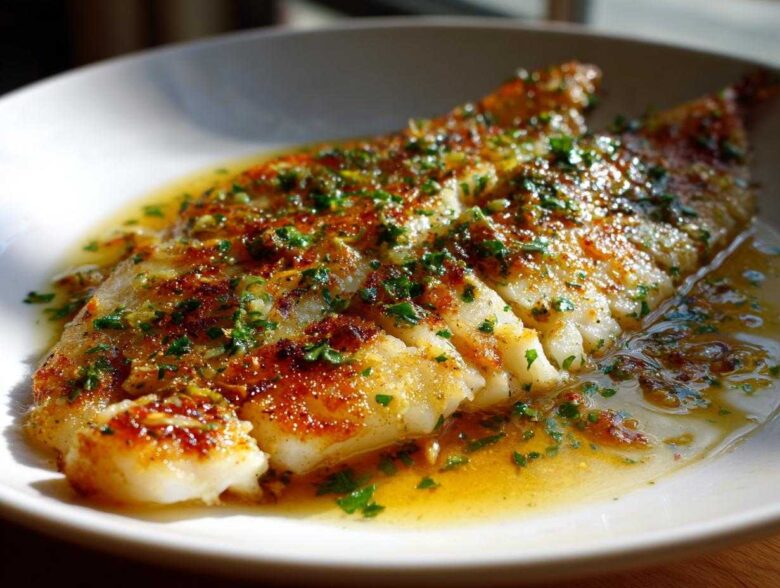
If you think elegant, restaurant-quality seafood takes hours, I need to show you the light! I used to be terrified of cooking delicate white fish because I was convinced I’d end up with rubbery disappointment in my pan. But then I cracked the code for the ultimate weeknight showstopper: the Pan-Seared Flounder Brown Butter Lemon. Seriously, this recipe takes less than 25 minutes from start to finish, but the flavor is pure gourmet. Melting the butter until it smells nutty, then just hitting it with bright lemon? It’s magic! Trust me, mastering this simple sear and sauce combo completely changed how I approach fish dinners. You are going to love how easy this turns out!
Why This Pan-Seared Flounder Brown Butter Lemon Recipe Works So Well
Honestly, this recipe is my secret weapon when company shows up unexpectedly. It hits all the high notes without any stress. The beauty here is the speed combined with that incredible flavor contrast. You get a flaky, perfectly cooked fillet every single time.
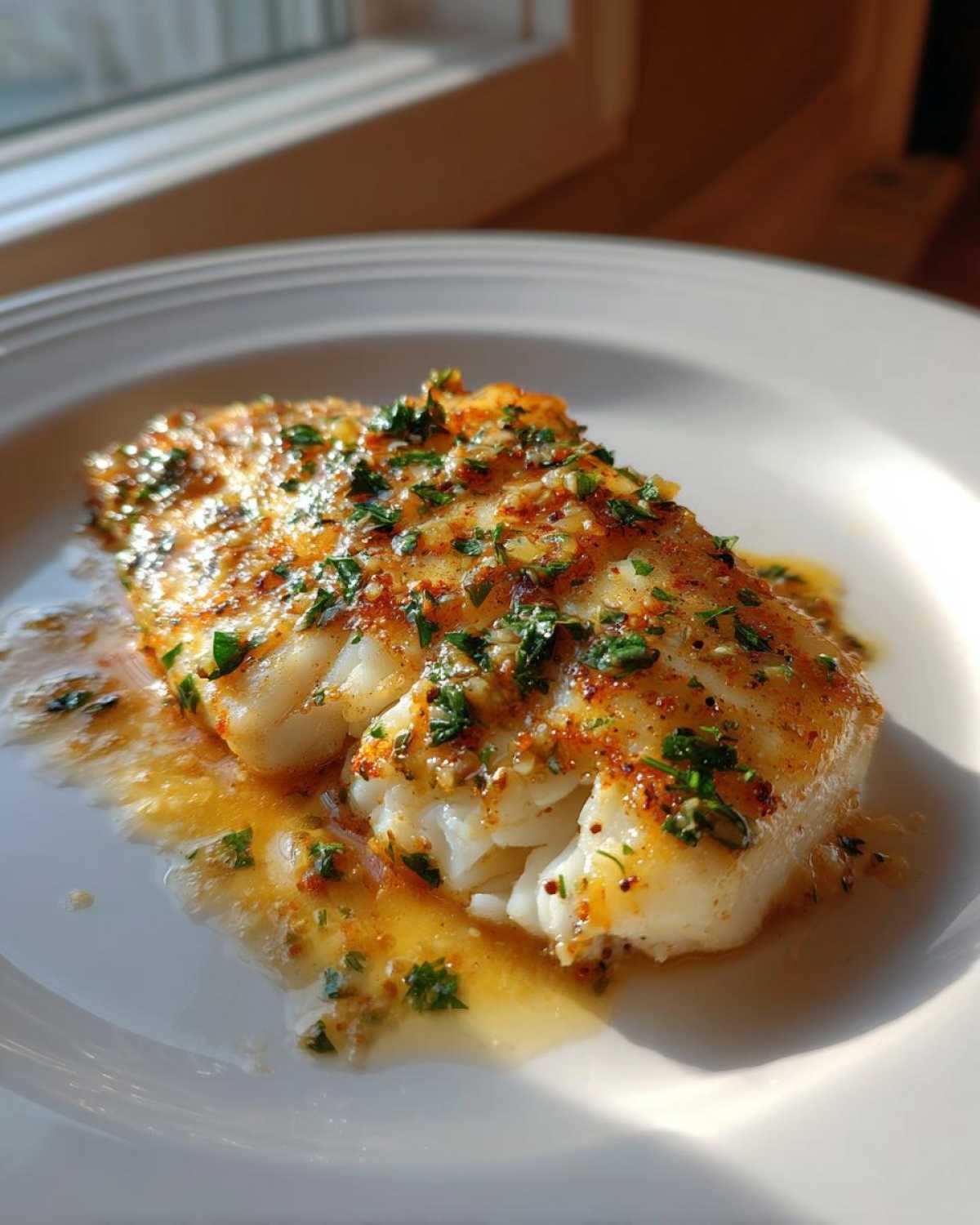
- It’s ridiculously fast—perfect for those quick fish dinner ideas when you’re starving!
- The brown butter offers a deep, warm, nutty complexity that feels really sophisticated.
- The lemon cuts right through that richness, keeping the whole dish bright and fresh.
- Flounder is so thin, it cooks quickly, meaning you can’t overcook it if you pay attention for just a minute.
Essential Ingredients for Pan-Seared Flounder Brown Butter Lemon
When you’re working with fish this delicate, the quality of what you put in matters, but thankfully, you don’t need much! We are keeping this super tight to let that brown butter shine. You’ll need four fillets, aiming for about a half-inch thickness so they sear nicely without drying out. Don’t forget the salt and pepper for seasoning!
If you want that little bit of crust, I suggest a light dusting of flour—just dredge them and shake *most* of it off. We need olive oil for the sear because it has a higher smoke point than butter, but save that gorgeous butter for the sauce!
Ingredient Notes and Substitutions for Pan-Seared Flounder Brown Butter Lemon
Listen, if you squeeze your lemon at the last minute, the difference is night and day. Seriously, use fresh lemon juice; the bottled stuff is too harsh for this delicate sauce. Also, if you can’t find flounder, don’t sweat it! This technique works beautifully with delicate white fish like sole or thin tilapia fillets. Just watch your cooking time, okay?
Step-by-Step Instructions for Perfect Pan-Seared Flounder Brown Butter Lemon
Okay, this is where the magic happens! We take flimsy, delicate flounder and turn it into something sturdy and beautiful on the plate. Knowing how to cook flounder fillets perfectly is all about prep and heat control. Don’t rush the first two steps, though—they set the entire tone for the final dish.
Preparing the Flounder Fillets
First thing’s first: your flounder needs to be bone-dry. I grab a stack of paper towels and just press them all over the fillets, top and bottom. Moisture is the enemy of a good sear! Once they are dry, hit them generously with salt and pepper. If you’re using that optional light flour dredge, dust them now, and then give the outside a really good tap to get all the extra flour off. We just want a whisper of coating, nothing thick!
Achieving the Perfect Sear on Your Pan-Seared Flounder
Get that olive oil shimmering over medium-high heat—it should look glossy, not smoking wildly. Lay the fish gently away from you into the pan. Don’t touch it for three to four minutes! That’s how you build that golden crust. Flip them carefully and give that second side another three to four minutes. When it flakes easily, it’s ready. Pull it out and set it on your plate while you focus on the sauce.
Mastering the Browned Butter Sauce Instructions
Now, keep the pan right where it is, but turn the heat down to medium. Drop in those six tablespoons of butter. Watch it melt, foam up, and then those milk solids start sinking and turning brown at the bottom. Your kitchen is about to smell incredible—that’s the nutty scent you’re listening for that tells you you’ve nailed the browned butter sauce instructions. The second it’s golden brown, *immediately* take the pan off the heat and whisk in that lemon juice and zest. It sizzles, yes, but taking it off the burner keeps it from going bitter!
Tips for Success with Your Pan-Seared Flounder Brown Butter Lemon
Okay, you’ve got the basic steps down, but here are a few little tricks I’ve learned over the years to take your pan-frying delicate fish game up a notch. First off, forget standard non-stick if you can—I swear by stainless steel for the best sear, even though clean-up is slightly fussier. If you use stainless, make sure the oil is hot enough to sizzle before the fish even touches it!
Secondly, don’t skip resting the fish! Just like a steak, if you move the flounder straight from the pan to the plate, all those juices (and the flakiness) run out onto the dish. Let it sit on the plate for two minutes while you finish swooshing the sauce around. It keeps everything tasting right.
My last major secret for the sauce? If you have some capers lying around, throw them in right when you add the lemon juice. They get slightly fried in the residual heat and add a fantastic salty pop of flavor that complements the lemon perfectly. It’s just a tiny addition that makes a huge difference!
Serving Suggestions for Pan-Seared Flounder Brown Butter Lemon
This dish is so simple and bright, but because the brown butter sauce is rich, we need sides that offer some balance, right? I want something that cleanses the palate a bit! This isn’t just another quick fish dinner; we are aiming for a true gourmet weeknight fish experience here without breaking a sweat.
My absolute favorite pairing is perfectly steamed or lightly roasted asparagus. The slight crunch of the asparagus contrasts beautifully with the tender flounder, and it just tastes clean next to the nutty butter. If you are feeling slightly more adventurous, try roasting some broccoli florets until they get those crispy, almost charred edges.
If you need something starchy, you can’t go wrong with tiny, boiled new potatoes. Toss them with a little bit of salt and fresh thyme after you drain them—they soak up that excess brown butter lemon sauce sitting at the bottom of your plate like little sponges. Trust me, you don’t want that sauce to go to waste!
Another winner, especially if you’re trying to keep things light and quick, is something green and acidic. A simple arugula salad dressed with just olive oil and a dash of white wine vinegar is perfect; the peppery bite of the arugula cuts the richness of the sauce wonderfully. Speaking of easy greens, if you want something truly amazing and simple to prep while the fish sears, you absolutely have to try these garlic parmesan roasted green beans. They come together in the oven and are ready right when your fish is done.
Storage and Reheating for Leftover Pan-Seared Flounder Brown Butter Lemon
Now, while this flounder is certainly best when eaten straight out of the pan—because, hello, that sauce—I get it if you have leftovers. Flaky white fish doesn’t keep super long, so try to eat it within a day, max. Pop any remaining fillets into an airtight container and keep them in the coldest part of the fridge.
When you reheat it, you have to be super gentle, or you’ll dry it right out! Forget the microwave if you can. My tip is to use a tiny, dry skillet over very low heat. Add just a teaspoon of water or chicken broth to the pan before you put the fish in. Cover it quickly so the moisture steams the flounder back to life without browning it too much. It just needs to warm through gently—maybe two minutes total!
Frequently Asked Questions About Pan-Seared Flounder Brown Butter Lemon
I get so many messages asking for clarification on the tricky bits of cooking fish, especially when a fantastic sauce is involved! Don’t worry if you’ve never made brown butter before, or if you’re nervous about getting that perfect sear. These are all totally normal questions when trying out a new style of fish recipes with brown butter.
Can I substitute the lemon with lime in this Pan-Seared Flounder Brown Butter Lemon?
You absolutely can! Lime will give you a slightly more tropical, zingy flavor profile than lemon, but it works brilliantly with the nutty flavor of the brown butter. Just make sure you use fresh lime juice and maybe use a little less zest than you would lemon zest, as lime zest can sometimes be more potent. It still makes for a wonderful, simple lemon fish recipe variation!
What is the secret to preventing the fish from sticking when making this pan seared flounder recipe?
This is my number one fear when I’m attempting a great pan seared flounder recipe! The secret is threefold, and it’s all about temperature control. First, pat the fish absolutely bone dry—I cannot stress that enough. Second, make sure your pan is screaming hot *before* you add the oil. Third, once the oil is in, wait until it stops moving like water and starts shimmering gently before the fish goes in. If the pan isn’t hot enough, the fish will stick!
Is the flour dredge really necessary for the best pan seared flounder?
Honestly, no, it’s totally optional if you nail your heat! The flour just gives you a little insurance policy against sticking and helps build a slightly more substantial crust, which is lovely next to that delicate sauce. If you are trying to keep things lighter or gluten-free, skip the flour and just make sure that oil is very hot and clean.
How do I know when my butter has actually browned and isn’t just burnt?
This is the key to any good brown butter sauce for fish! Burnt butter smells acrid, sharp, and dark. Brown butter smells incredible—it smells like toasted almonds or hazelnuts. You will see the milk solids that settled at the bottom turn from white to amber, and the butter itself will turn a beautiful light brown color. Swirl the pan constantly, and when it hits that nutty aroma, take it off the heat immediately!
Estimated Nutritional Data for Pan-Seared Flounder Brown Butter Lemon
I always keep an eye on the nutritional breakdown, mostly because I love this dish so much I want to make sure I can eat it again next week! Flounder itself is such a lean protein, which is fantastic. It keeps the overall meal light and satisfying, even with that luxurious brown butter sauce.
Just remember, these numbers are estimates based on the exact ingredients and portion sizes listed in the recipe—four equal servings. If you add a huge slab of asparagus or use extra butter for the sauce because, well, who doesn’t?, the counts will change!
Here’s the nutritional snapshot based on one serving of this delicious simple lemon fish recipe:
- Serving Size: 1 fillet
- Calories: 320
- Protein: 35g
- Fat: 18g (10g Saturated)
- Carbohydrates: 2g
- Sugar: 0.5g
- Sodium: 350mg
See? Thirty-five grams of protein for only 320 calories! That’s why I call this my ultimate healthy seafood dinner option. It feels indulgent, but it’s actually incredibly clean eating thanks to the star—the flounder!
Share Your Perfect Pan-Seared Flounder Brown Butter Lemon
Whew! Now you’ve mastered the sear and you know exactly how to get that gorgeous nutty scent from the brown butter. This recipe is truly complete now that it’s in your hands. I’m so excited for you to try making this incredible lemon butter flounder!
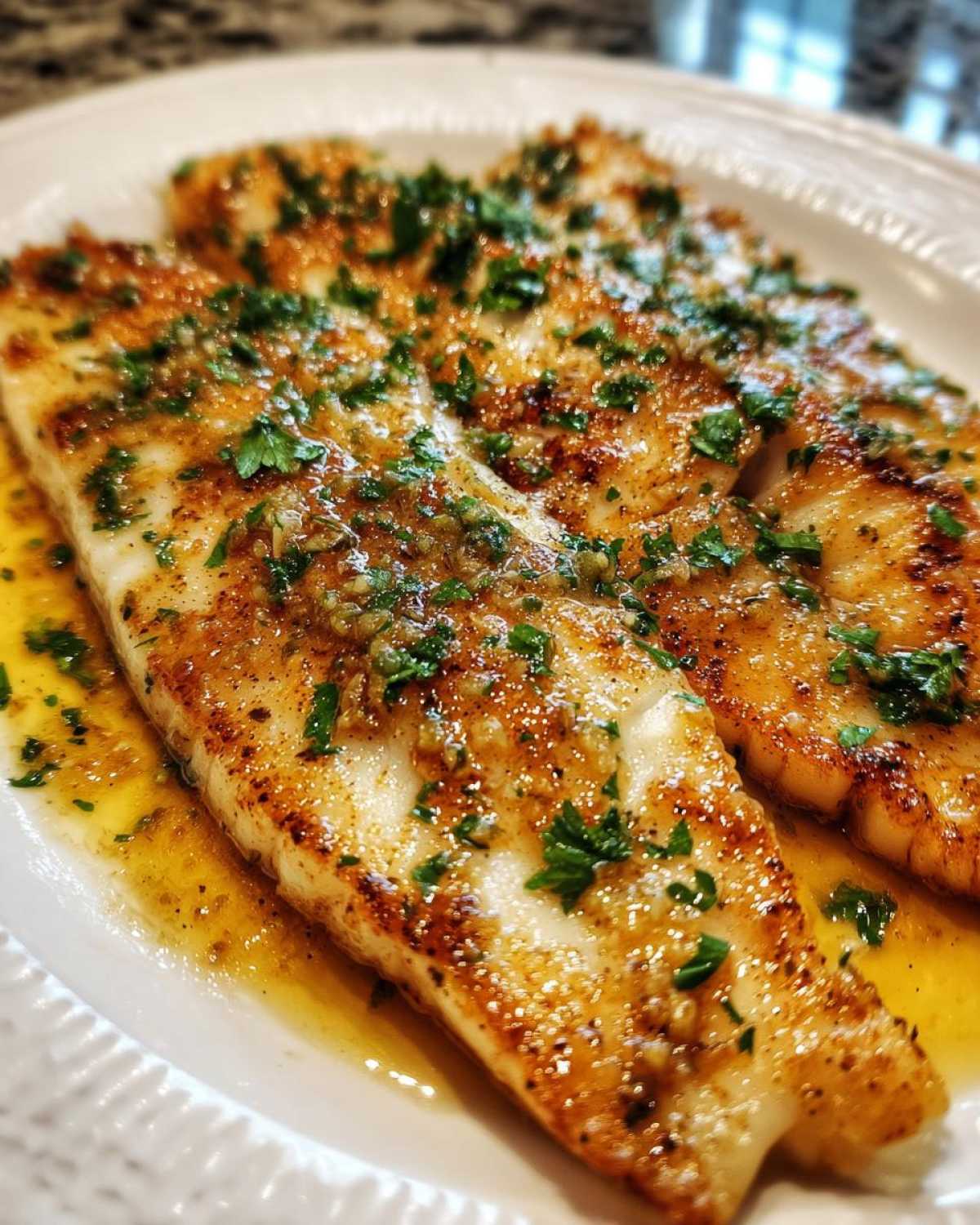
I really, really want to know what you think! Did you try the light flour dredge, or did you go straight for the hot oil? Did you add those capers I mentioned, or maybe toss in a few slivers of shallot when you were browning the butter?
Head down to the rating section and give me a star rating so I know how it went. And please, snap a picture of your finished plate—especially if you got that sauce drizzled perfectly over the top—and tag me on social media! Seeing what you all create in your kitchens is honestly the best part of sharing these recipes. Happy cooking, and send me your flavor discoveries!
PrintPan-Seared Flounder with Brown Butter Lemon Sauce
Cook tender flounder fillets perfectly by pan-searing them and topping them with a simple, nutty brown butter and bright lemon sauce.
- Prep Time: 10 min
- Cook Time: 12 min
- Total Time: 22 min
- Yield: 4 servings
- Category: Dinner
- Method: Pan Frying
- Cuisine: American
- Diet: Low Fat
Ingredients
- 4 (6 ounce) flounder fillets, about 1/2 inch thick
- 1 teaspoon salt
- 1/2 teaspoon black pepper
- 1/4 cup all-purpose flour (optional, for light dredging)
- 2 tablespoons olive oil
- 6 tablespoons unsalted butter
- 2 tablespoons fresh lemon juice
- 1 teaspoon lemon zest
- 2 tablespoons fresh parsley, chopped
Instructions
- Pat the flounder fillets completely dry using paper towels. Season both sides with salt and pepper. If you desire a slightly crispier crust, lightly dredge the fillets in flour, shaking off any excess.
- Heat the olive oil in a large, non-stick skillet over medium-high heat until it shimmers.
- Carefully place the flounder fillets in the hot skillet, ensuring not to overcrowd the pan. Cook for 3 to 4 minutes per side until the fish is opaque and flakes easily with a fork. Remove the cooked fish from the skillet and set aside on a plate.
- Reduce the heat to medium. Add the 6 tablespoons of butter to the same skillet. Allow the butter to melt and foam. Continue cooking, swirling the pan occasionally, until the milk solids turn golden brown and the butter smells nutty (this is brown butter or beurre noisette). This takes about 3 to 5 minutes. Watch carefully to prevent burning.
- Remove the skillet from the heat immediately. Stir in the fresh lemon juice and lemon zest. The sauce will bubble briefly.
- Spoon the brown butter lemon sauce evenly over the cooked flounder fillets. Garnish with fresh chopped parsley before serving.
Notes
- Use fresh, high-quality butter for the best flavor in the sauce.
- If you do not have flounder, this method works well for sole or tilapia.
- Serve immediately with steamed asparagus or roasted potatoes.
Nutrition
- Serving Size: 1 fillet
- Calories: 320
- Sugar: 0.5
- Sodium: 350
- Fat: 18
- Saturated Fat: 10
- Unsaturated Fat: 8
- Trans Fat: 0.5
- Carbohydrates: 2
- Fiber: 0.2
- Protein: 35
- Cholesterol: 95