

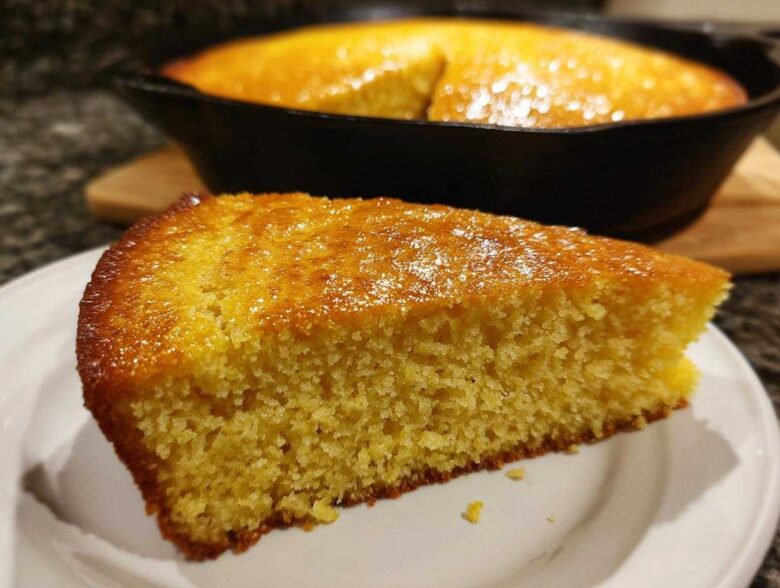
When I think about true comfort food baking, nothing beats that golden, slightly crisp edge of perfect Southern cornbread. Forget those dry, crumbly blocks you sometimes get! My mission for years has been perfecting the ultimate, incredibly moist and fluffy buttermilk cornbread, and I finally nailed it using my trusty cast iron skillet. This recipe just sings—it’s got that beautiful tang from the buttermilk and the perfect amount of corn flavor. This isn’t just any quick bread; this is the cornerstone of a proper Southern meal, and trust me, it’s surprisingly easy to make.
Why This Buttermilk Cornbread Recipe Delivers Moist Cornbread
I’ve made so many batches of cornbread that my family just laughs now. They know I’m chasing that mythical, perfect texture—you know, the one that seems impossible? It’s all about balancing the wet and dry, and frankly, the secret weapon here is the buttermilk. It reacts with the baking soda to give you lift, but it locks in so much moisture, making this truly the *moist cornbread* I dreamed about. If you like exploring other tender quick breads, you should really check out my recipe for buttery maple cornbread muffins sometime!
Then there’s the cast iron skillet. Seriously, ditch the glass pan for this one! Preheating that iron until it’s screaming hot warms the butter right up, and that initial sizzle when the batter hits the pan creates that shatteringly crisp, golden crust. That’s where the real Southern magic happens. Forget dense hockey pucks; this technique guarantees a beautifully *fluffy cornbread* every single time.
Achieving Southern Cornbread Perfection
There’s a big debate out there about sweet versus savory. Honestly, this recipe is the perfect middle ground. I use just a touch of sugar—enough to balance the tang of the buttermilk and cornmeal—but it’s nowhere near cake territory. The key to keeping it light and fluffy, though, is gentle mixing. Mix until you see the flour streak disappear, and then stop! Overmixing builds gluten, and gluten is the enemy of tender cornbread. Just trust me on this; a few lumps are your friends here.
Ingredients for the Best Buttermilk Cornbread
Gathering your ingredients for this classic side dish is super simple—we aren’t messing around with complicated items here! You’ll need good yellow cornmeal for that authentic color and hearty texture. Before you start mixing, make sure your butter is melted, and grab those eggs and buttermilk out of the fridge. Having everything ready like this keeps that preheat rush stress-free. If you want to check out a fun savory version, look at my cheddar jalapeno cornbread another time!
Ingredient Notes and Substitutions for Buttermilk Cornbread
Seriously stick to yellow cornmeal; white just doesn’t give you that traditional, rustic look we’re going for. Now, about the sugar: that 1/4 cup I list gives you a nice balance. If you absolutely prefer a genuine, savory Southern cornbread that’s mostly salty, cut that right down to just one tablespoon. If you want to lean into sweet buttermilk cornbread territory—maybe you’re serving it with plain chicken—you can bump it up to 1/3 cup, but don’t go higher! The buttermilk is so important, but if you’re in a total pinch, you can try making your own by adding a teaspoon of vinegar to regular milk, but honestly, the true flavor comes when you use the real stuff.
Step-by-Step Instructions for Cast Iron Cornbread
Okay, this is where the magic happens! Getting this buttermilk cornbread right is all about timing and temperature—don’t rush the hot skillet part. Think of the oven as heating up your frying pan for you. We preheat everything together so the batter hits maximum heat the second it goes in. You’ll want to get all your dry stuff whisked together first, and then your buttermilk and eggs are ready for their big moment. If you ever want to try something with a little kick, my recipe for sweet heat honey jalapeno cornbread is really something special, too!
Preheating and Preparing the Cast Iron Cornbread Pan
First things first: set your oven to 400 degrees Fahrenheit. Now, grab that beautiful 10-inch cast iron skillet—yes, the empty one—and slide it right onto the oven rack. It needs to get smoking hot while everything else is coming together. This step cannot be skipped if you want that incredible crust! Once the oven is nearly there, take a couple of tablespoons of your melted butter. Carefully pull that skillet out—watch your fingers, that thing is hot!—and swirl that butter around until the entire bottom and sides are coated. It should sizzle immediately when the butter hits the hot iron. That sizzle means we’re ready for the best cast iron cornbread ever.
Mixing and Baking Your Easy Cornbread Recipe
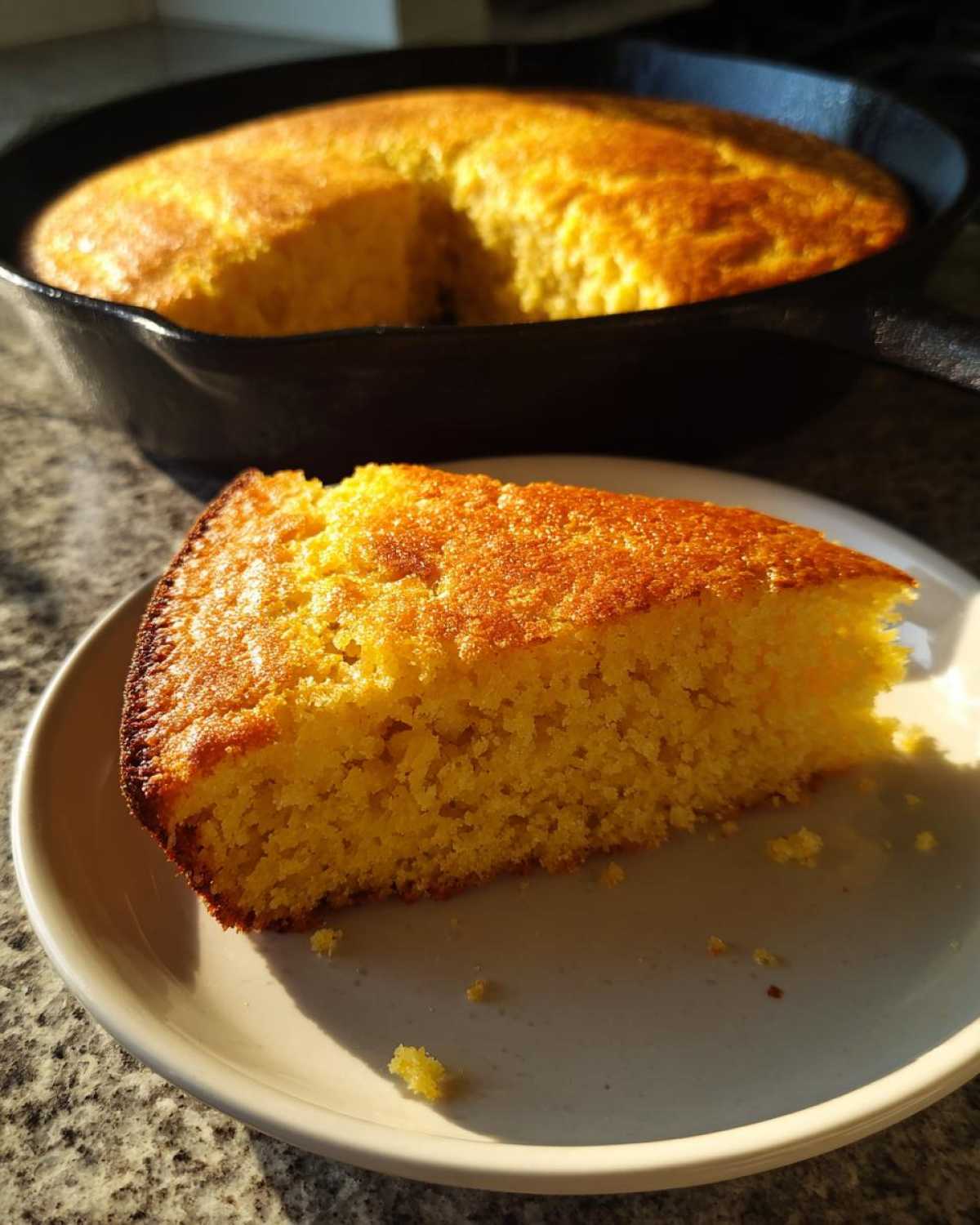
Now, quickly mix the wet ingredients into the dry ingredients. I usually pour the wet into the dry and fold it a few times with a spatula. Seriously, stop mixing the second you don’t see big white streaks of flour anymore. Lumps are fine! If you beat it like a cake, it’ll be tough, and we want this to be a wonderfully fluffy cornbread. Just pour the batter right into that sizzling hot pan. It should spread itself out nicely. Pop it straight back into the 400-degree oven. You are baking this for about 20 to 25 minutes. You’ll know it’s done because the top will be a beautiful, deep golden brown, and if you poke a toothpick in the middle, it should come out clean without any wet batter clinging to it. Let it rest for five minutes in that hot pan before slicing. If you want to see my trick for the ultimate buttermilk cornbread for holiday dinners, check that link!
Tips for Perfect Buttermilk Cornbread Every Time
If you want the absolute best cornbread recipe, remember that baking is mostly science wrapped up in good intentions! My biggest tip, besides using that screaming hot skillet, relates to your ingredients. Don’t use buttermilk straight from the fridge if you can help it. Cold liquid hitting that hot melted butter in the pan causes a temperature shock, and that can sometimes stop your rise before it even starts.
Let the buttermilk and eggs sit on the counter for maybe 20 minutes before you start mixing. This makes blending easier and helps everything incorporate smoothly without you having to mix longer. Remember what I said earlier—short mixing time is key to keeping this bread light and fluffy, not heavy and dense.
If you’re worried about it sticking, you can try what my Aunt Clara does—she uses a little bacon grease instead of butter to grease the pan. Wow, does that add flavor! That trick, combined with preheating, is how you get that savory, slightly chewy edge that just melts in your mouth. For more baking secrets that just work, you have to check out Grandma’s secret cookie tips; they apply to so many quick breads!
Serving Suggestions for Your Traditional Cornbread
Now that you have this incredible, warm bread—seriously, it smells like heaven—what are you going to eat it with? This buttermilk cornbread shines bright on its own, but it truly becomes the star when paired with hearty meals. It’s the quintessential classic American side dish, which is why I always have the ingredients on hand for a last-minute batch.
My absolute favorite way to serve this, hands down, is alongside a thick, slow-cooked chili. It’s not just dipping; it’s building the perfect bite. You tear off a piece, let it soak up just a little bit of that savory chili liquid, and wow. If you need a great chili recipe to go with it, you have to try my one-pot chili mac—it’s perfect for using batches of this cornbread! It’s also fantastic with smoky barbecue pulled pork or just slathered with butter when you’re having a simple bowl of vegetable soup.
It even works if you are leaning towards something slightly sweeter on the side. I sometimes make a batch of my sweet chili roasted sweet potatoes and serve the cornbread right next to them for a really comforting dinner spread. Whether you call it cornbread for chili night or just ‘dinner bread,’ this recipe elevates whatever is on the plate next to it!
Storage and Reheating Buttermilk Cornbread
Good news! Since this is such a fantastic homemade cornbread, it actually keeps really well, which is great because I always end up making way too much! You can find some other simple recipes in my collection of quick bread recipes.
If you have leftovers, you want to keep the moisture locked in. Don’t leave it sitting out on the counter uncovered, or it will dry out FAST. You can store any remaining cornbread tightly wrapped in plastic wrap and then tucked into an airtight container at room temperature for about two days. If you need it to last longer, put it in the fridge for up to a week. Truthfully, I think it tastes best within those first 48 hours, though.
When it’s time to reheat, the cast iron skillet method works wonders again, even for leftovers! Wrap the slices loosely in aluminum foil, put them back into the pan (just for warming, not preheating this time!), and pop it into a slightly warm oven—maybe 300 degrees—for about 8 to 10 minutes. The foil steams it just enough to bring back that fresh-out-of-the-oven softness. If you are just eating one piece, zap it in the microwave for about 15 seconds, but honestly, the oven method is superior for texture. Knowing how to store these quick breads properly really stretches your baking!
Frequently Asked Questions About Buttermilk Cornbread
Whenever I post a picture of this gorgeous golden bread, I get flooded with questions! It’s totally normal, especially when you’re trying to master a new technique or replicate that classic Southern texture. If you’re wondering about making subtle tweaks or if you’re missing a key ingredient, don’t worry! We’ve got answers here for your best homemade cornbread yet. For more general quick bread tips, you can always check out my quick bread recipes!
Can I use milk instead of buttermilk in this buttermilk cornbread recipe?
You absolutely can, but it won’t be the same! Buttermilk is acidic, and that acidity is crucial because it reacts with the baking soda to give you that wonderful lift and tender crumb. If you must use regular milk, try adding one teaspoon of white vinegar or lemon juice to one and a half cups of milk and let it sit for five minutes until it looks slightly curdled—that mimics the tang. Without that acidity, your buttermilk cornbread will be flatter and less flavorful, truth be told.
How do I make a savory cornbread version?
Oh, that’s an easy fix, and it’s perfect if you’re serving it with beans or chili and you don’t want any extra sweetness competing with the main dish. To shift this into a purely savory cornbread realm, you need to pull back heavily on the sugar. I’d suggest cutting the 1/4 cup down to just one level Tablespoon. That tablespoon is mostly there to help the crust brown nicely! Aside from that adjustment, maybe think about adding a pinch of black pepper or some chopped green chilies!
Estimated Nutritional Data for Buttermilk Cornbread
Alright, let’s talk fuel! Since we’re dealing with butter, eggs, and cornmeal, this buttermilk cornbread is definitely going to be satisfying. Keep in mind that these numbers are just an estimate based on average ingredient amounts and serving sizes, so the exact figures can sneak around a little depending on what brand of cornmeal you use!
Here is the approximate breakdown for one slice when you make the full batch:
- Calories: 250
- Fat: 13g
- Carbohydrates: 28g
- Protein: 5g
- Sugar: 7g
Remember, these are just guideposts for your baking adventures. If you want to lighten it up a bit, you have wiggle room, like cutting back on the sugar or using less butter in the batter, but where’s the fun in that, right? Enjoy the richness!
Share Your Experience with This Classic American Side Dish
Now that you’ve got that golden, skillet-baked goodness cooling on your counter, I really want to know what you think! Did it come out perfectly moist? Did those edges get just crisp enough? Please don’t be shy—drop me a comment below, especially if you tried slicing it with soup!
I love seeing your results, so snap a picture of your beautifully cooked buttermilk cornbread and tag me! Knowing this recipe brings that same warmth and satisfying crunch to your table that it does to mine means the world to me. Don’t forget you can always reach out through my contact page if you have any last-minute questions!
PrintMoist Southern Buttermilk Cornbread in Cast Iron Skillet
Make classic, moist, and fluffy Southern buttermilk cornbread using a cast iron skillet. This easy recipe yields a perfect balance of sweet and savory flavor.
- Prep Time: 10 min
- Cook Time: 25 min
- Total Time: 35 min
- Yield: 8 servings
- Category: Side Dish
- Method: Baking
- Cuisine: American
- Diet: Vegetarian
Ingredients
- 1 1/2 cups yellow cornmeal
- 1 cup all-purpose flour
- 1/4 cup granulated sugar (adjust for sweetness preference)
- 1 tablespoon baking powder
- 1 teaspoon salt
- 1/2 teaspoon baking soda
- 1 1/2 cups buttermilk
- 2 large eggs
- 1/2 cup unsalted butter, melted, plus 2 tablespoons for greasing
Instructions
- Preheat your oven to 400 degrees Fahrenheit. Place a 10-inch cast iron skillet in the oven while it preheats.
- In a large bowl, whisk together the cornmeal, flour, sugar, baking powder, salt, and baking soda.
- In a separate bowl, whisk together the buttermilk and eggs.
- Pour the wet ingredients into the dry ingredients. Mix gently until just combined; do not overmix.
- Carefully remove the hot skillet from the oven. Add the 2 tablespoons of butter to the hot skillet and swirl to coat the bottom and sides completely. The butter should sizzle.
- Pour the batter immediately into the hot, buttered skillet.
- Bake for 20 to 25 minutes, or until the top is golden brown and a toothpick inserted into the center comes out clean.
- Let the cornbread cool in the skillet for 5 minutes before slicing and serving warm.
Notes
- For a richer flavor, use 1/4 cup of melted butter in the batter instead of 1/2 cup, and use the remaining 1/4 cup to grease the skillet.
- If you prefer a less sweet cornbread, reduce the sugar to 1 tablespoon.
- This cornbread pairs well with chili, soup, or barbecue.
Nutrition
- Serving Size: 1 slice
- Calories: 250
- Sugar: 7
- Sodium: 350
- Fat: 13
- Saturated Fat: 8
- Unsaturated Fat: 5
- Trans Fat: 0
- Carbohydrates: 28
- Fiber: 2
- Protein: 5
- Cholesterol: 65