

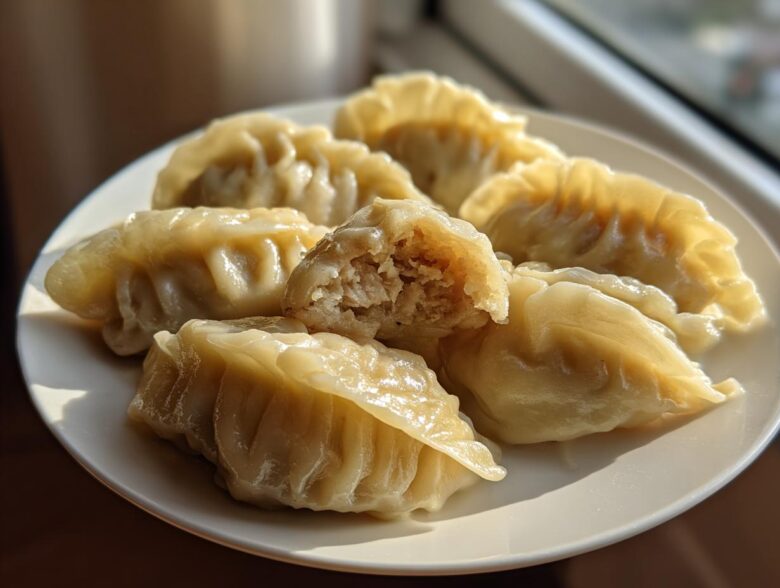
Oh, if there is one food that instantly screams comfort and celebration to me, it’s a steaming plate of perfect, plump Chinese dumplings. Seriously, forget takeout! The joy of making authentic Traditional Chinese Dumplings, folding those little pockets of flavor with your own hands, is unmatched. Most recipes want you to cheat with store-bought skins, but trust me, that chewiness you get from a scratch wrapper is non-negotiable when you want the real deal.
I remember the first time I made these pork and cabbage dumplings for Lunar New Year. My kitchen looked like a flour bomb had exploded, but honestly, watching my kids try to master the pleated edges was worth every speck of mess. These aren’t just dinner; they are an afternoon event! Follow me, and I’ll show you exactly how to get that savory filling and homemade dough right, so you can serve up truly authentic jiaozi that taste exactly like they came from a bustling family kitchen.
We’re going all-in today: we’re making the dough, perfecting the pork cabbage dumplings filling, and—yes—we’re learning the fold. If you are looking for the ultimate guide to cooking these at home, check out all my general tips over at the main recipe index before you dive in!
Why This Traditional Chinese Dumplings Recipe Stands Out
Honestly, what makes this recipe the one you need to stick to is that it skips all the shortcuts. When you make Traditional Chinese Dumplings completely from scratch, the difference in texture and taste is night and day. You get that lovely, tender chew from the wrapper that you just can’t replicate with anything pre-packaged. If you want to see some other truly game-changing recipes, you should peek at my viral chicken recipe for a change of pace!
Here’s why I know you’ll love making this recipe your new staple:
- We make our own homemade dumpling wrappers—that’s where the magic starts!
- The filling is super succulent because we manage the cabbage moisture perfectly for a non-soggy bite.
- It captures that rich, authentic flavor profile you look for in authentic jiaozi.
- Best of all? They freeze like a dream, so you can prep for Lunar New Year months ahead!
Perfecting the Homemade Dumpling Wrappers
Store-bought wrappers are fine in a real pinch, but if you’re going to put in the effort for the filling, you have to make the skins too! Don’t let the thought scare you; it’s just flour and water. The key to supreme chewiness is kneading. You absolutely must knead that dough for a good 8 to 10 minutes until it feels like a supple earlobe. That kneading builds the gluten structure we need. When you roll these homemade dumpling wrappers out, you’ll notice they have an elasticity that just grabs the filling perfectly.
The Savory Pork Cabbage Dumplings Filling
This filling is my go-to flavor combination every single time. It’s the classic marriage of savory ground pork with the slight crunch and sweetness of Napa cabbage. Don’t skip the fresh ginger; it cuts right through the richness of the pork. Now, pay attention: water is the enemy of a good dumpling here! You must squeeze every drop of moisture out of that chopped cabbage after salting it, or your beautiful pork cabbage dumplings will leak and boil messily. A well-squeezed filling means a tight seal and a juicy interior.
Gathering Ingredients for Authentic Traditional Chinese Dumplings
Okay, getting the right stuff makes all the difference when you’re aiming for that truly authentic taste. Don’t worry if you can’t find bizarre imported items; the magic here is in the balance of simple things. I’ve listed exactly what you need below, but remember, clarity is key! We’re using a full pound of ground pork, and that Napa cabbage has to be lovingly, *finely* chopped. Trust me on the prep work; it pays off!
If you’re curious about making other pork dishes that really shine, you should definitely check out my juicy pork chop technique—it’s a totally different vibe, but the dedication to quality meat is the same!
Ingredient Notes and Substitutions for Traditional Chinese Dumplings
A couple of quick notes before you shop. If pork isn’t your favorite, or maybe you just ran out, you can absolutely swap it for ground chicken or turkey. They take on the ginger and soy flavors beautifully! Another pro-tip: you don’t need a fancy store-bought sauce.
My standard, all-purpose dipping sauce—which is perfect for these dumplings—is just equal parts soy sauce and rice vinegar, with a dash or two of chili oil if you like some heat. Keep it simple! That fresh ginger we put in the filling really brightens everything up, so please grate it fresh, okay?
Step-by-Step Instructions for Traditional Chinese Dumplings
Alright, let’s get our hands dirty! This is where the fun really begins. We need to tackle this in logical steps: dough first so it can rest, then the filling while that beauty is relaxing, and finally, the assembly line! If you want a super quick side dish to go with these amazing dumplings, you have to try my 15-minute chili garlic noodles while you wait for the water to boil.
Making the Dough for Your Traditional Chinese Dumplings
This is the foundation, so don’t rush the kneading! Combine your flour and warm water until it looks clumpy, then turn it out onto the counter. You’re going to knead this for a full 8 to 10 minutes. It will feel slightly stubborn at first, but keep pushing and folding until it’s smooth as silk—truly elastic! Once you achieve that nice, springy texture, wrap it up tight in plastic wrap or cover it with a damp cloth. Let it chill out—that’s right, a solid 30 minutes of rest time is crucial here. This lets the gluten relax, which is what makes rolling easy later.
Assembling and Pleating Your Authentic Jiaozi
While that dough is resting, whip up your filling—make sure that cabbage is squeezed bone-dry! Once everything is ready, divide the dough and roll those little ropes. When you roll the wrapper circles, remember the trick: push the center down harder with your rolling pin than you do the edges. We want thin edges for easy sealing and sealing, but a slightly thicker center to hold all that juicy pork cabbage filling.
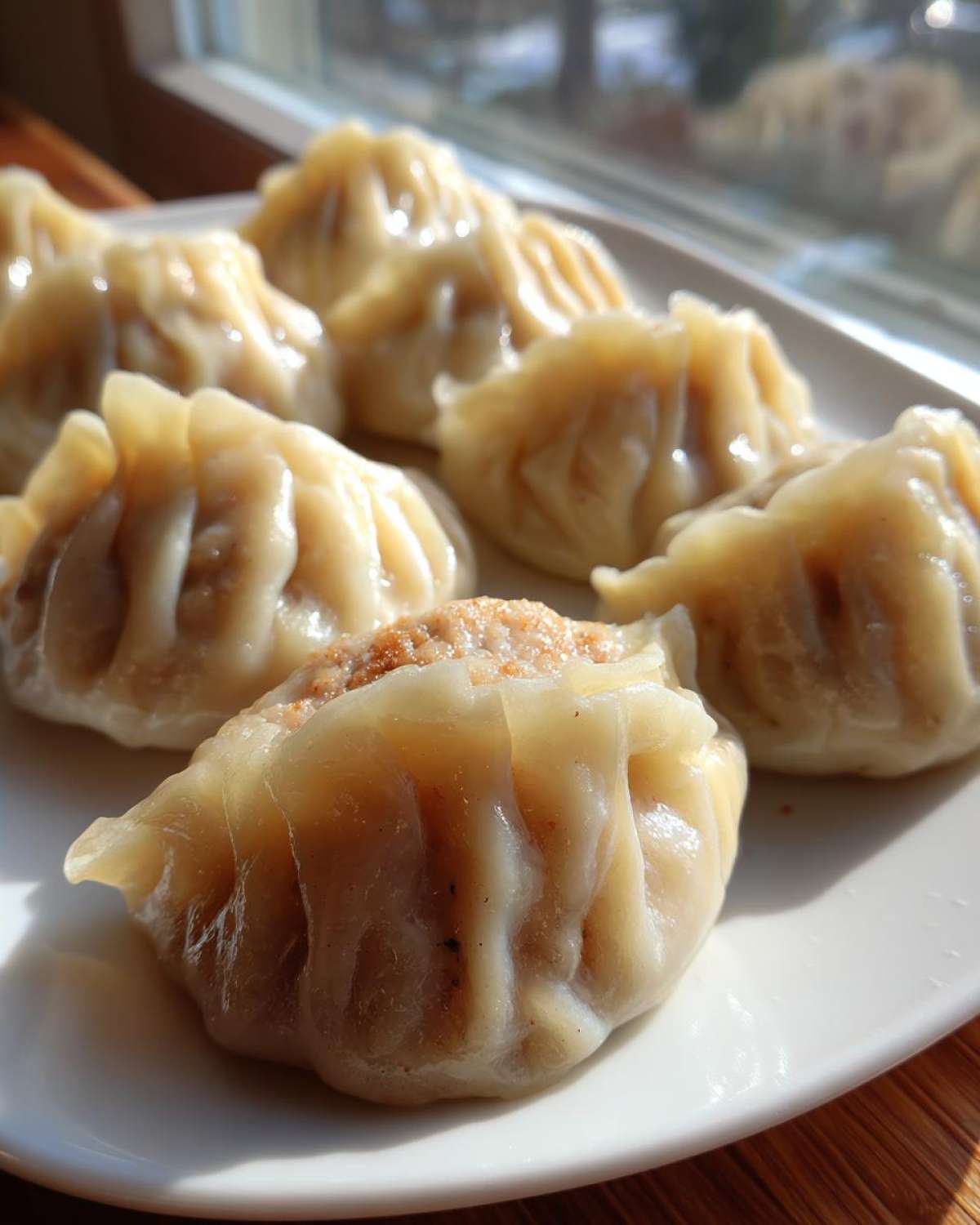
To seal them up, take one wrapper, put a small spoonful near the center, and lightly moisten half the edge with water. Fold it into a half-moon. Now for the authentic jiaozi look: keep the flat edge near the center and create small folds—or pleats—along the curved edge, pressing each little fold firmly against the flat edge to seal it tight. You want zero air pockets inside!
When you’re ready to cook, these are best as boiled Chinese dumplings. Bring that water to a hard, rolling boil and gently drop them in—be careful not to overcrowd the pot! Once the water crashes back down to a boil, add half a cup of cold water. Repeat that cold water trick two more times. That temperature shock is how you ensure they cook evenly and come out plump and perfect after about 6 to 8 minutes total!
Tips for Perfect Traditional Chinese Dumplings Every Time
Even with the perfect recipe, a few small things can trip you up when making any kind of Traditional Chinese Dumpling. Don’t worry, I’ve made all the rookie mistakes so you don’t have to! My biggest piece of advice revolves around preventing sticking, especially when you are assembling dozens of these little treasures.
Once you wrap them, don’t just stack them on the counter! They will fuse together into one giant, pleated blob, trust me. You need to place your finished dumplings on a surface dusted heavily with flour or, ideally, lined with parchment paper. If you’re working in batches, only assemble as many as you can fit in one layer on your tray; don’t overlap them until *after* they’ve been frozen solid! That parchment paper is your absolute best friend here. It prevents sticking completely and makes transferring them easy.
Also, when you’re mixing that pork filling, remember my earlier note about the cabbage water. If the filling feels too loose, the dumplings will tear when you boil them. If it feels stiff, they’ll be chewy instead of tender. You want it to feel slightly springy but moist. Aim for that Goldilocks consistency!
If you want to step up your savory game beyond these dumplings, you need to see my maple apple pork chops recipe—it’s seriously the best way to eat pork, though maybe not wrap it in dough!
Storing and Freezing Traditional Chinese Dumplings for Later
Look, making 40 Traditional Chinese Dumplings in one afternoon is a marathon, not a sprint! The best part about making them from scratch is knowing you have future dinners locked away. These are fantastic freezer friendly dumplings, which means you can stockpile them right before Lunar New Year or just keep them ready for a wild weeknight craving.
Here’s the absolute non-stick method: Arrange all your beautifully pleated dumplings on a standard baking sheet that you have lined really well with parchment paper. Make sure none of them are touching—they need their own little space to freeze individually. Pop that whole sheet right into the freezer for a few hours until they are rock solid. Honestly, this step is essential; if you bag them while they are soft, they’ll turn into one giant frozen clump!
Once they are completely frozen stiff, you can slide them all into a heavy-duty, airtight freezer bag. You don’t need to thaw them before cooking, which is the best part! When you are ready to boil them, just drop them straight into the rolling water and add an extra 2 to 3 minutes to the cooking time we discussed earlier. They come out tasting just as fresh as the day you made them. If you love making large batches of food to freeze, check out my freezer burrito guide—it saves so much time later!
Serving Suggestions for Your Traditional Chinese Dumplings
Gosh, once you pull these beautiful Traditional Chinese Dumplings out of the water, you’ll just want to eat them immediately! Seriously, they are wonderful as a centerpiece meal, but don’t hesitate to serve them up as a really substantial snack. Since the filling is so savory and rich, they don’t need a ton of sides hanging around.
Of course, the dipping sauce is mandatory—that simple mix of soy sauce, vinegar, and chili oil brings out all the ginger and pork spice. If you do want a side dish so you feel like you’ve made a full feast, try some brightly flavored veggies. These sweet chili roasted sweet potatoes are a fantastic complement if you need a little sweetness on the side!
Frequently Asked Questions About Traditional Chinese Dumplings
I’ve answered so many dumpling questions over the years, especially around the holidays! You wonderful cooks always have the best follow-ups about technique and ingredients. Here are a few common things I hear about making perfect Chinese dumplings at home.
Can I use store-bought wrappers for Traditional Chinese Dumplings?
Oh, I know the temptation is huge when you’re in a rush! Look, if you are facing a time crunch, then yes, technically you *can* use store-bought wrappers to make pork cabbage dumplings. They are certainly easier than making the dough, and they will still taste good because the filling is so flavorful. However, I have to be honest: the tradeoff is the texture. Store-bought wrappers just don’t have that same, satisfying, slightly chewy bite that you get when you make the dough fresh. You lose some of that amazing texture that makes authentic jiaozi so special.
How to make these Lunar New Year Dumplings ahead of time?
That’s the smart way to plan for big celebrations! If you are gearing up for lunar new year dumplings, you absolutely need to use my freezing method. We talked about it in detail above, but here’s the short version: Assemble them completely, freeze them flat on parchment paper until they are hard as a rock, and then bag them up. They store beautifully for months. This means that on the actual holiday, you just boil what you need, and the hard work is already done. It keeps the kitchen calmer!
If you have other questions about ingredients or need to get in touch with me directly about a recipe twist, feel free to pop over to my contact page anytime!
Estimated Nutritional Data for Traditional Chinese Dumplings
Now, before we wrap up these amazing Traditional Chinese Dumplings, I need to give you the quick rundown on the nutrition facts. Remember, since we’re cooking from scratch, and because everyone tweaks their filling just a bit, these numbers are just an estimate, okay? This data is based on a standard serving size of about five of our delicious, boiled Chinese dumplings, using the exact ingredient ratios I laid out.
I pulled these figures together based on my standard recipe measurements, but always check your specific ingredient labels if you are tracking very closely. For all the boring details, you can always check out my main site disclaimer page, but here is the quick reference:
- Serving Size: 5 dumplings
- Calories: Around 280 per serving. Not bad for such a satisfying meal!
- Fat: Approximately 14g total fat.
- Protein: A solid 15g of protein, thanks to that wonderful pork!
- Carbohydrates: About 25g, mostly coming from the homemade wrappers.
See? These pork cabbage dumplings make for a really balanced, comforting main course. They are savory, satisfying, and honestly, I think they taste better than anything else on a plate!
Share Your Homemade Traditional Chinese Dumplings Experience
Making Traditional Chinese Dumplings is a real labor of love, and honestly, I live for seeing what you all create in your own kitchens! Now that you’ve gone through the dough-making marathon and mastered the art of the pleat, I would absolutely love to hear how it went.
Did you manage to get those beautiful, tight seals on your **authentic jiaozi**? Did your kids sit next to you helping you fold the last few rounds? Don’t be shy! I want to see your photos—tag me on social media so I can cheer you on!
If this recipe truly saved your dinner plans, please come back here and leave a rating. A five-star review helps other home cooks know that this scratch recipe is worth the effort. Your feedback, especially on the wrapper texture or the boiling technique, is gold to me and helps keep this recipe honest and reliable. If you’re reading up on the site policies or sharing anything, remember you can always review the site policies for reference!
Happy folding, and enjoy every single, perfect bite!
PrintTraditional Chinese Pork and Cabbage Dumplings (Jiaozi)
Make authentic Chinese dumplings from scratch with a savory pork and cabbage filling and homemade wrappers. Includes instructions for boiling and freezing.
- Prep Time: 45 min
- Cook Time: 10 min
- Total Time: 55 min
- Yield: About 40 dumplings
- Category: Main Course
- Method: Boiling
- Cuisine: Chinese
- Diet: Low Lactose
Ingredients
- 2 cups all-purpose flour
- 3/4 cup warm water
- 1 pound ground pork
- 3 cups finely chopped Napa cabbage
- 1/4 cup chopped scallions
- 2 tablespoons soy sauce
- 1 tablespoon sesame oil
- 1 teaspoon grated fresh ginger
- 1/2 teaspoon salt
- 1/4 teaspoon white pepper
Instructions
- Make the dough: Combine flour and warm water in a bowl. Mix until a shaggy dough forms. Knead on a lightly floured surface for 8-10 minutes until smooth. Cover and let rest for 30 minutes.
- Prepare the filling: Squeeze excess water from the chopped cabbage. In a large bowl, combine the ground pork, cabbage, scallions, soy sauce, sesame oil, ginger, salt, and white pepper. Mix thoroughly until the mixture is uniform.
- Roll the wrappers: Divide the dough into four equal pieces. Roll one piece into a long rope, then cut into 1-inch pieces. Roll each piece into a thin circle, about 3 inches in diameter, keeping the edges slightly thinner than the center.
- Assemble the dumplings: Place about 1 teaspoon of filling in the center of a wrapper. Moisten the edges with water. Fold the wrapper in half to form a half-moon. Create pleats along one edge, pressing firmly to seal the dumpling closed.
- Cook the dumplings: Bring a large pot of salted water to a rolling boil. Gently drop the dumplings into the water, ensuring they do not stick together. Stir gently. When the water returns to a boil, add 1/2 cup of cold water. Repeat this process two more times. The dumplings are done when they float and look slightly puffy, about 6-8 minutes total.
- Remove the dumplings with a slotted spoon and serve immediately.
Notes
- For freezing: Place uncooked dumplings on a parchment-lined baking sheet without touching. Freeze until solid, then transfer to an airtight freezer bag. Cook directly from frozen, adding 2-3 minutes to the cooking time.
- You can substitute ground chicken or turkey for the pork.
- Serve with a dipping sauce made from soy sauce, vinegar, and chili oil.
Nutrition
- Serving Size: 5 dumplings
- Calories: 280
- Sugar: 2
- Sodium: 450
- Fat: 14
- Saturated Fat: 5
- Unsaturated Fat: 9
- Trans Fat: 0
- Carbohydrates: 25
- Fiber: 1
- Protein: 15
- Cholesterol: 55