

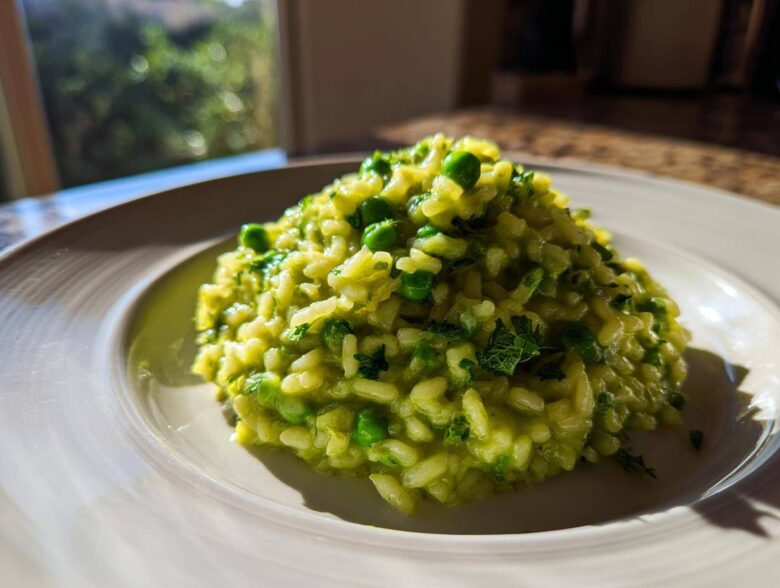
Oh, when the first sweet peas start showing up at the market, I just about lose my mind! It feels like the whole kitchen needs a breath of fresh, green air, and that’s exactly what you get with this magnificent Spring Pea and Mint Risotto. Honestly, mastering that perfect, flowing, creamy texture—you know, the one that pools slightly on the plate—took me ages. But I finally cracked the code on the mantecatura, and now this Spring Pea and Mint Risotto is the dish I run to every single year. It’s springtime comfort food, elevated.
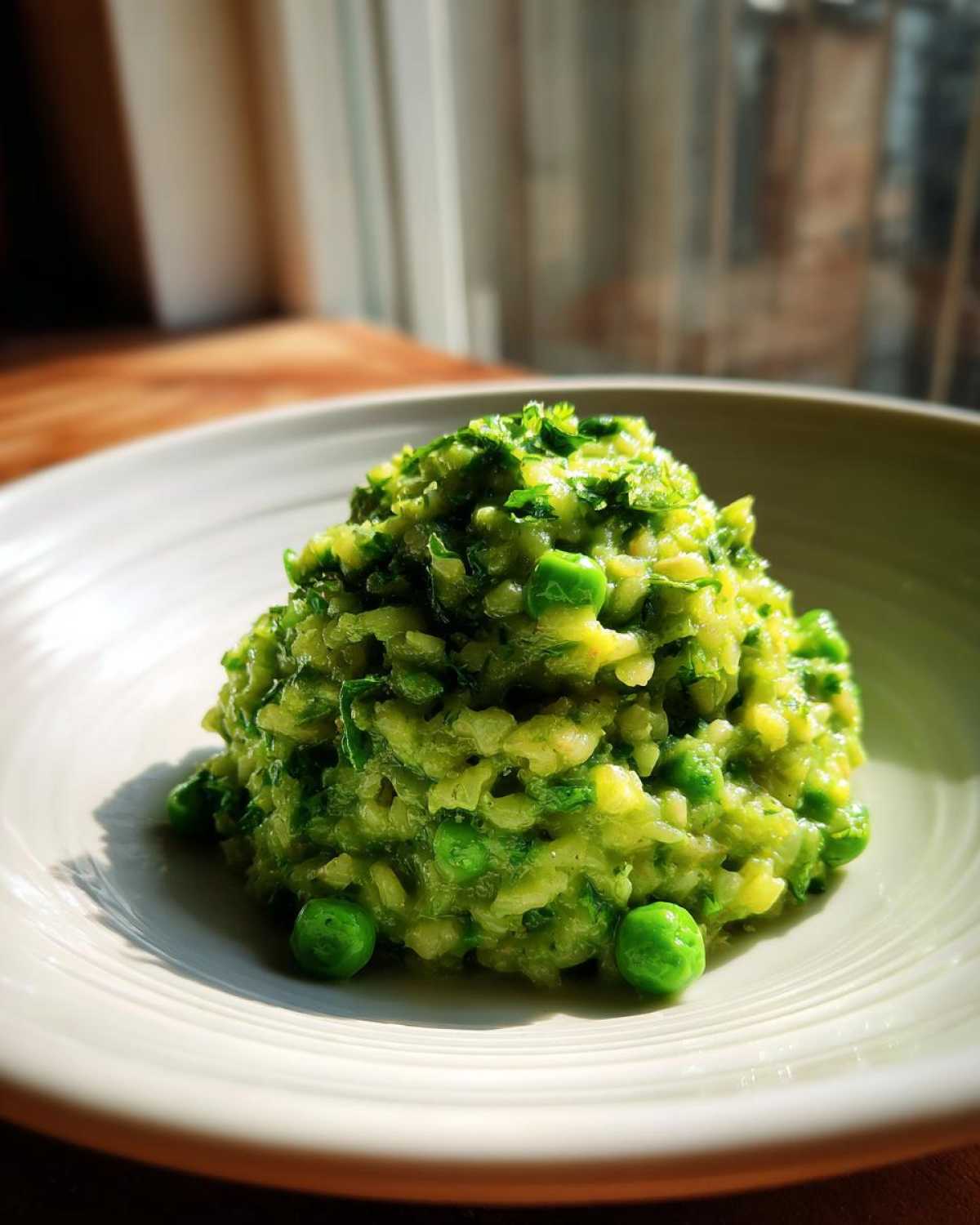
If you’ve ever been intimidated by risotto, please don’t be! This recipe keeps things straightforward while delivering that sophisticated, gourmet flavor. Forget stiff, sticky rice; we are aiming for pure, velvety deliciousness. You are going to fall in love with how easy it is to bring that bright, seasonal Italian magic right to your dinner table. For more of my favorite seasonal cooking adventures, check out my main blog page!
Why This Spring Pea and Mint Risotto Recipe Works (E-E-A-T Focus)
I know you see the word ‘risotto’ and maybe your palms start to sweat a little. Don’t worry; this recipe is built on making sure you succeed! We focus on a few key parts that elevate this from ‘rice soup’ to a truly creamy Italian classic. These techniques are what my family uses for every single pot of rice we make.
- We nail the toasting phase so every grain of Arborio rice is prepared perfectly for that slow absorption.
- We prioritize keeping the broth piping hot—cold broth is a risotto killer, trust me!
- The ratios are perfect for that wonderful, flowing texture that Italian chefs call *all’onda*.
If you want to dive deeper into the world of mastering this stunning technique, I have a whole guide on risotto technique secrets you might love.
Achieving True ‘All’Onda’ Creaminess
The secret here isn’t just the stirring, although that constant attention really releases the starch! The real magic happens at the very, very end. We call it *mantecatura*. This is when you yank the pot off the heat and violently stir in that final pat of cold butter and the Parmesan. That shock plus the fat emulsifies everything just right. It’s what creates that glorious, velvety flow that ripples when you shake the pan. No lumps, just pure creaminess!
Perfecting the Pea and Mint Flavor Pairing
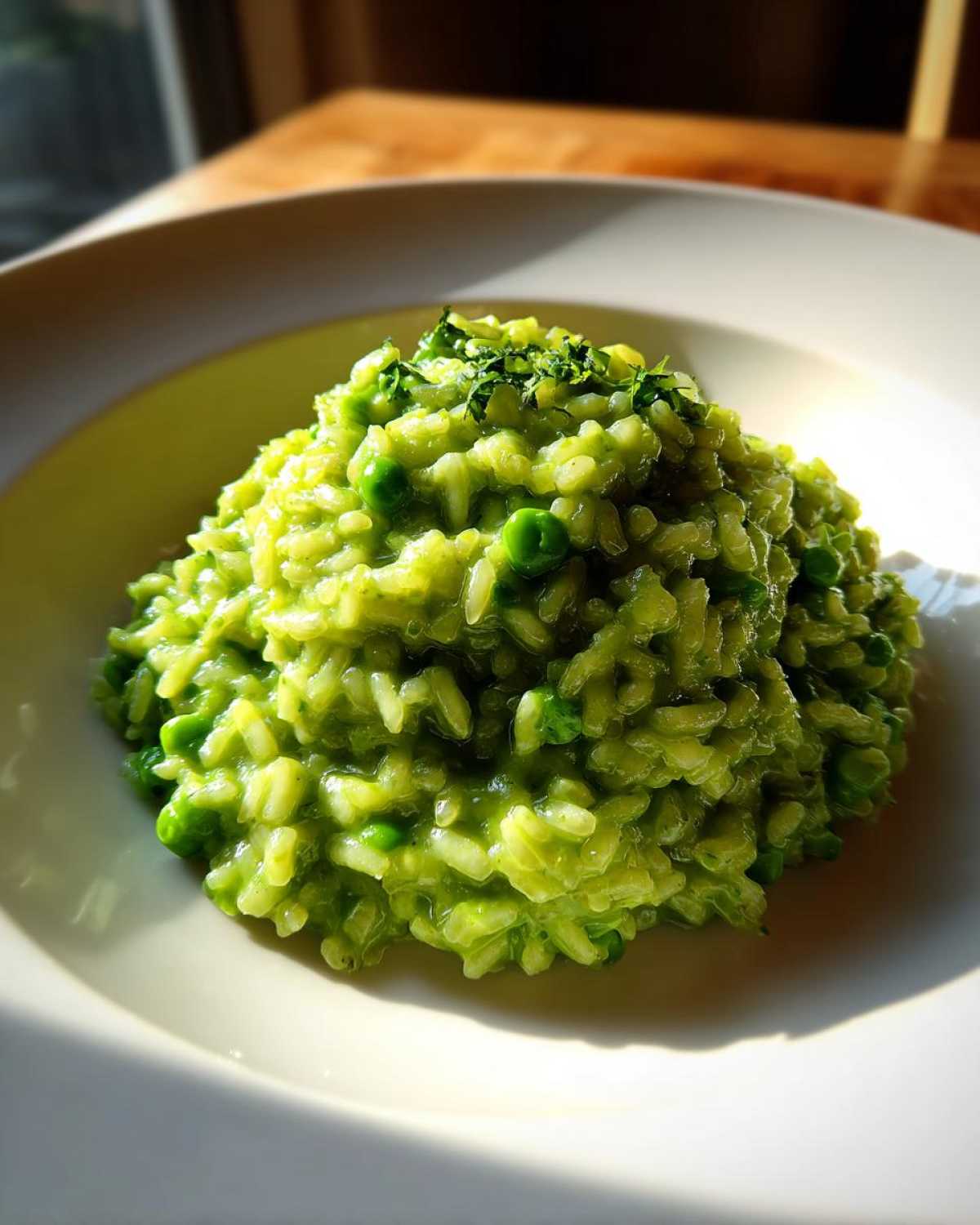
This is where a lot of people go wrong with this dish. If you add the mint too early, it cooks down, turns dark, and starts tasting bitter—and nobody wants that! We save the finely chopped fresh mint for the very final step, right after the cheese and second butter. It gives you that gorgeous, vibrant green color and that fresh, cooling mint flavor that dances perfectly alongside the sweetness of the young peas. It’s all about balance, baby!
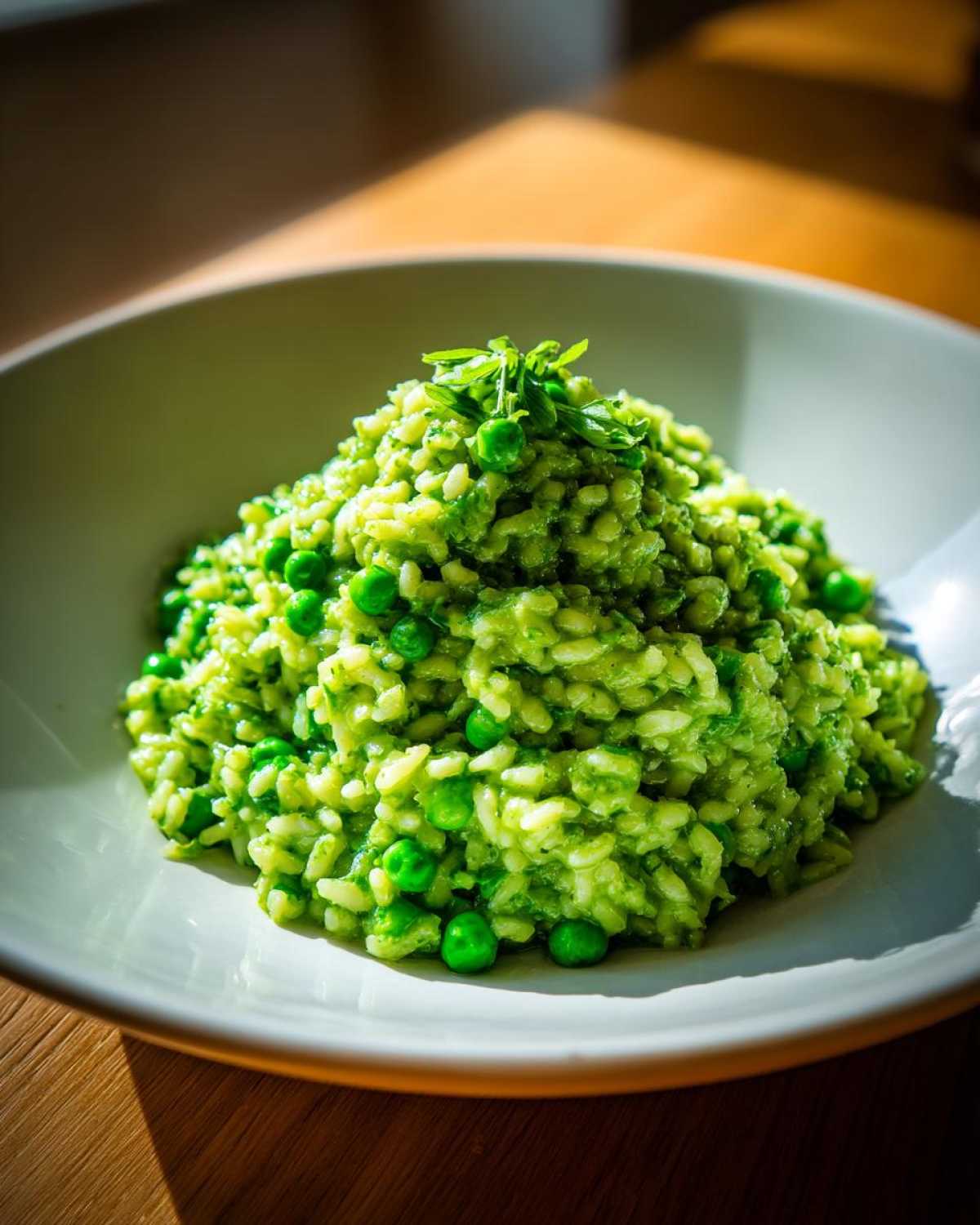
Essential Ingredients for Your Spring Pea and Mint Risotto
When you’re making something this simple but elegant, the quality of your ingredients really shines through. You can’t hide a mediocre ingredient when the whole dish is just rice, peas, and wine! Since we aren’t using a lot of heavy sauces, these core components have to be top-notch. I’ve listed everything we need below for four generous servings. Remember, this is truly a from-scratch kind of meal, so having good Parmesan is key!
I always lean on Arborio rice, obviously, because its high starch content is what gives us that signature creaminess. If you want a little refresher on why Arborio is the king of risotto rice, take a peek at my Arborio rice cooking guide. Don’t skimp on the wine either—if you wouldn’t drink it, don’t cook with it!
Ingredient Notes and Substitutions
Let’s talk peas, because they make or break the flavor! Fresh, sweet spring peas are obviously the dream, but if they aren’t in season yet? Don’t panic! Good quality frozen peas work like a dream; just toss them in straight from the freezer when the recipe calls for it. For the wine, stick to something bone-dry, like a Pinot Grigio or a Sauvignon Blanc. Sweet wines will throw off the delicate balance we’re working towards with the peas. And please, please use real Italian Parmesan—the stuff in the green can just won’t give you that amazing, salty finish!
Step-by-Step Instructions for Spring Pea and Mint Risotto
Alright, time to get cooking! This is where the magic happens, but you need to be present. Seriously, put your phone down because constant attention is the price of admission for creamy risotto. First things first: make sure your broth is simmering hot in a separate pot the whole time. Adding cold broth is an absolute rookie mistake that shocks the rice and ruins the texture. We’re aiming for that beautiful, patient absorption process, which takes about 30 minutes total for everything. You can find lots of great reminders on how to make perfect risotto if you need a quick confidence boost!
Toasting the Rice and Deglazing
Get your onions softened in the oil and butter—that’s your flavor base. Now throw the Arborio rice in and toast it! You need to stir it constantly for a good two minutes until the edges look clear, like tiny little grains of cloudy glass. This step locks in the structure. Once toasted, pour in that dry white wine. Stir until you can’t see any liquid pooling at the bottom; the smell changes completely when the alcohol cooks off, which is how you know it’s done absorbing.
The Broth Addition Process for Spring Pea and Mint Risotto
This is the marathon part. Start ladling the hot broth in, one good scoop at a time. You stir until nearly all that broth disappears before you even think about adding the next one. Keep stirring! You’re encouraging the starch to come out. This whole process takes about 18 to 20 minutes. When there’s just one last ladle left, toss in your peas. They only need a few minutes to cook through, but they should be tender, not mushy, in your final Spring Pea and Mint Risotto.
Finishing: Mantecatura and Mint Timing
When the rice is just about tender—al dente, with a tiny bite left—pull the whole pot off the heat immediately. This is critical! Beat in the cold butter and the Parmesan cheese vigorously. That’s your *mantecatura*, making it glossy and thick. Finally, gently fold in your fresh, chopped mint. I mean it: fold it in, don’t stir hard. We want that bright green color and fresh flavor intact for serving right away!
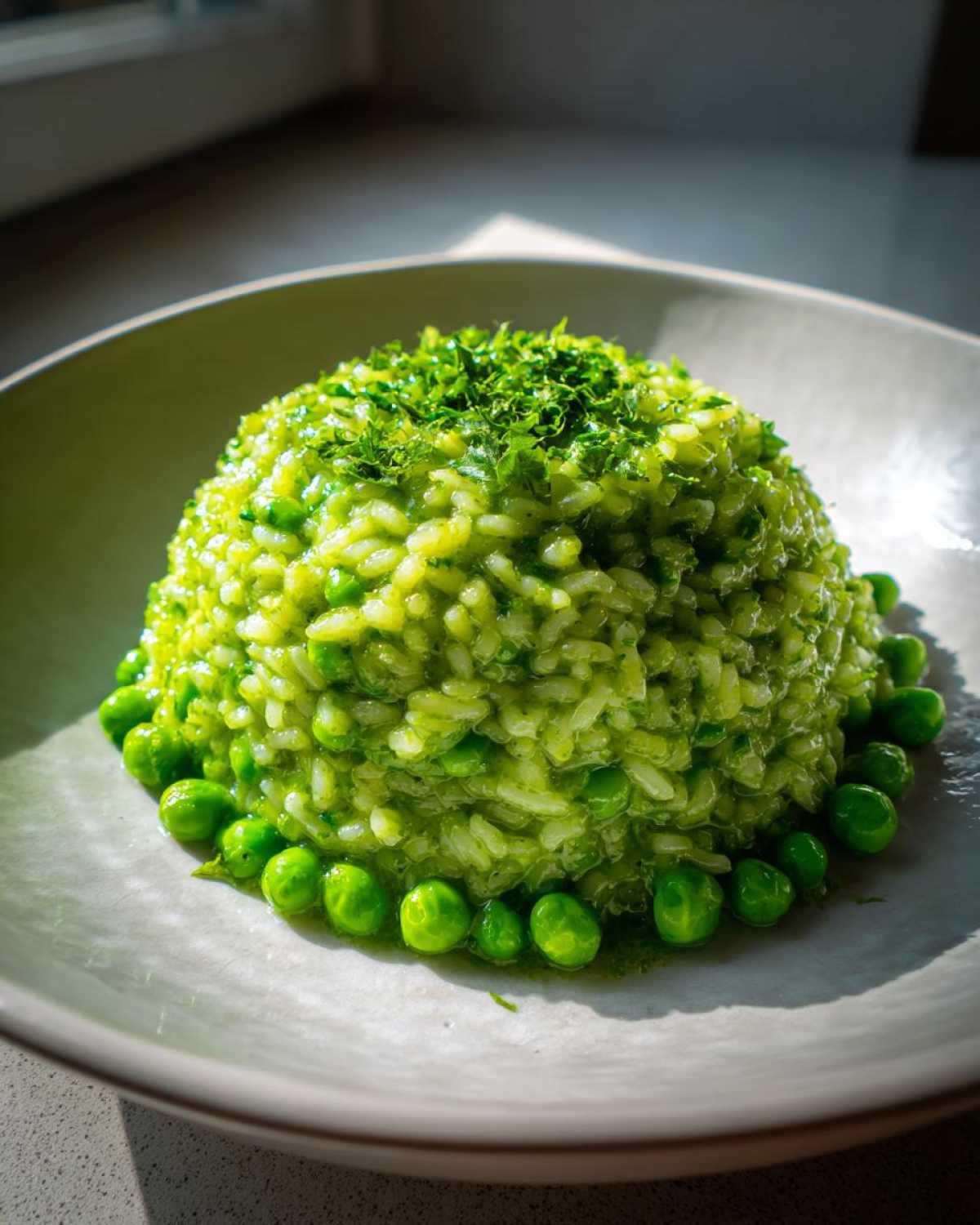
Tips for Perfect Spring Pea and Mint Risotto Every Time
Look, I’ve made rock-hard risotto that tasted like glue, so I know exactly where things go wrong! The biggest lesson I learned was about impatience. My first few attempts, I got distracted halfway through and dumped in a cold cup of broth. Big mistake! The rice stopped cooking evenly, and it ended up unevenly textured, which is the opposite of the creamy texture we want. Always keep that broth at a steady, hot simmer on a back burner!
Another thing: I learned to taste, taste, taste. Don’t just rely on the 20-minute timer for the cooking time. Every batch of Arborio rice is slightly different, right? You are looking for that perfect al dente center, not mush. Once you nail the broth temperature and learn to stop stirring *just* before it seems done, you’ll be set. It’s really all about that constant, patient stirring that releases all that good starch! For more guidance on avoiding these pitfalls, check out my deep dive on risotto technique secrets.
Variations on Your Spring Pea Risotto Recipe
Now that you have the perfect creamy base, we can have some fun! While this Spring Pea Risotto Recipe sings on its own as a beautiful vegetarian spring dinner, sometimes you just need a little something extra, right? Cheese is the easiest pivot here. If you want something sharper than Parmesan, go for Pecorino Romano—it adds a wonderful little salty tang that contrasts nicely with the sweet peas.
If you’re serving this as a main course instead of a side, protein is your friend! Sautéed shrimp or seared scallops sit right on top of this risotto beautifully. If you’ve got some scallops handy, my recipe for lemon butter scallops works amazingly well on top. For something totally different, try topping it with a piece of crispy Prosciutto or maybe even some seared tuna if you’re feeling adventurous—though I haven’t written a tuna recipe yet, I have some thoughts on seared ahi tuna you could adapt!
Serving Suggestions for Your Creamy Italian Rice Dish
Risotto hates waiting, so serve it fast! I find the best way to plate this light Italian supper is in wide, shallow bowls. Don’t stack it high; let it settle naturally so you get that lovely, slow spread—that’s the visual cue that you nailed the texture. Give every bowl a generous shower of extra Parmesan and maybe a tiny drizzle of beautiful olive oil right before it hits the table. If you need inspiration for keeping your Italian supper light, check out my tips on planning a wonderful light Italian supper!
Storage and Reheating Instructions for Spring Pea and Mint Risotto
Listen, if you can, eat this immediately! Risotto is really at its peak moment—that gorgeous, creamy state—just five minutes after you add the final butter and cheese. If you absolutely have leftovers, that’s fine! Store it in a tightly sealed container in the fridge, but know that it *will* get stiff and absorb all its liquid. It tightens up like a sponge.
When you reheat it, don’t even try the microwave first! That dries it out fast. Instead, put the risotto in a small saucepan over low heat with just a splash of extra broth or even water. Stir gently and slowly until it loosens back up. It won’t be quite as flowing as fresh, but it will still be delicious!
Frequently Asked Questions About This Spring Pea and Mint Risotto
Okay, I know some questions just pop up when you’re reading through a delicious-sounding recipe like this one. Here are the things folks ask me most often when they’re about to whip up this beautiful, light Italian rice dish!
Can I use dried mint instead of fresh mint in this Spring Pea Risotto Recipe?
Oh gosh, please don’t! Dried mint is just so much harsher. If you absolutely had to, you could use about a third of the quantity and add it with the broth about halfway through the cooking time, but honestly, it won’t give you that bright, fresh lift we want for the perfect **Pea and Mint Flavor Pairing**!
What is the best way to ensure my Spring Pea and Mint Risotto is vegetarian?
That’s an easy one! This recipe is designed to be a wonderful **Vegetarian Spring Dinner** centerpiece. Just make sure you are using a good quality, hot vegetable broth instead of chicken broth. As long as you skip any meat additions like shrimp, you are all set!
As a final tip, if you’re worried about the cheese, check your Parmesan label. While traditionally made with animal rennet, many brands now offer vegetarian-friendly hard cheeses that grate up beautifully for that essential final step. If you’re looking for more veggie meal inspiration, check out my guide on planning the perfect Vegetarian Spring Dinner!
Share Your Homemade Spring Pea and Mint Risotto Experience
Now it’s your turn to bring this vibrant dish to life! I put all my love and technique into this gorgeous Spring Pea and Mint Risotto recipe, and I really want to know how it turned out for you. Please drop a star rating below and tell me how you found that mint balance. Did it sing or shout? Good or bad, I love hearing from you! If you’re feeling generous, reach out via my contact page—I always love seeing photos of your kitchens!
PrintSpring Pea and Mint Risotto
A recipe for creamy Italian risotto featuring fresh spring peas and bright mint flavor.
- Prep Time: 10 min
- Cook Time: 30 min
- Total Time: 40 min
- Yield: 4 servings
- Category: Main Course
- Method: Stovetop
- Cuisine: Italian
- Diet: Vegetarian
Ingredients
- 1 tablespoon olive oil
- 1 tablespoon unsalted butter
- 1 small yellow onion, finely chopped
- 1 clove garlic, minced
- 1 1/2 cups Arborio rice
- 1/2 cup dry white wine
- 5 cups hot vegetable broth (or chicken broth)
- 1 1/2 cups fresh or frozen peas
- 1/2 cup freshly grated Parmesan cheese, plus more for serving
- 2 tablespoons fresh mint leaves, chopped
- 1 tablespoon unsalted butter, cold
- Salt and black pepper to taste
Instructions
- Heat the olive oil and 1 tablespoon of butter in a large, heavy-bottomed pot or Dutch oven over medium heat. Add the onion and cook until soft and translucent, about 5 minutes.
- Add the garlic and cook for 1 minute until fragrant.
- Add the Arborio rice to the pot. Stir constantly for 2 minutes until the edges of the grains look translucent. This is called toasting the rice.
- Pour in the white wine. Stir and let it cook until the wine is fully absorbed.
- Add one ladleful (about 1 cup) of the hot broth to the rice. Stir continuously until the liquid is almost completely absorbed.
- Continue adding the broth, one ladleful at a time, stirring frequently and waiting until each addition is absorbed before adding the next. This process takes about 18 to 20 minutes.
- When you have about 1 cup of broth remaining, stir in the peas. Continue adding the remaining broth until the rice is creamy and cooked al dente (tender with a slight bite in the center).
- Remove the pot from the heat. Stir in the Parmesan cheese and the remaining 1 tablespoon of cold butter. This step creates the creamy texture, known as ‘mantecatura’.
- Stir in the chopped fresh mint. Season with salt and pepper to taste.
- Serve immediately, garnished with extra Parmesan cheese.
Notes
- For the best texture, use fresh or high-quality frozen peas. If using frozen, do not thaw them before adding.
- Keep your broth hot in a separate saucepan throughout the cooking process; adding cold broth stops the cooking and affects the final texture.
- Add the fresh mint at the very end, off the heat, to keep its bright green color and fresh flavor.
- If you want a richer flavor, substitute half the broth with a light chicken stock.
Nutrition
- Serving Size: 1 serving
- Calories: 450
- Sugar: 5
- Sodium: 450
- Fat: 15
- Saturated Fat: 8
- Unsaturated Fat: 7
- Trans Fat: 0
- Carbohydrates: 65
- Fiber: 4
- Protein: 18
- Cholesterol: 25