

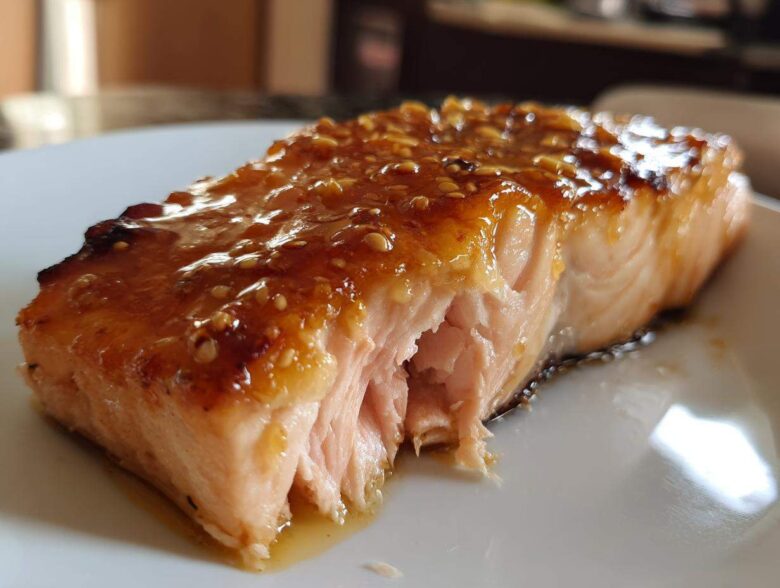
Are you tired of staring into the fridge after a long day, feeling that familiar dread about making *another* boring dinner? Hannah and I totally get it. We built Flavor Vista because we believe even a busy Tuesday deserves a celebration meal, and that’s exactly what this Smoky Oven-Baked Texas Roadhouse Style salmon delivers.
Seriously, folks, this is our new weeknight champion! It tastes like something you’d wait 45 minutes for at a nice restaurant, but we get these incredibly tender, perfectly glazed fillets on the table in under 25 minutes. It brings that rich, comforting flavor we chase—the kind that turns simple moments into little celebrations. You just can’t beat that flavor-to-time ratio! If you want to see what else we’re cooking up in the kitchen, check out our main blog page for more inspiration.
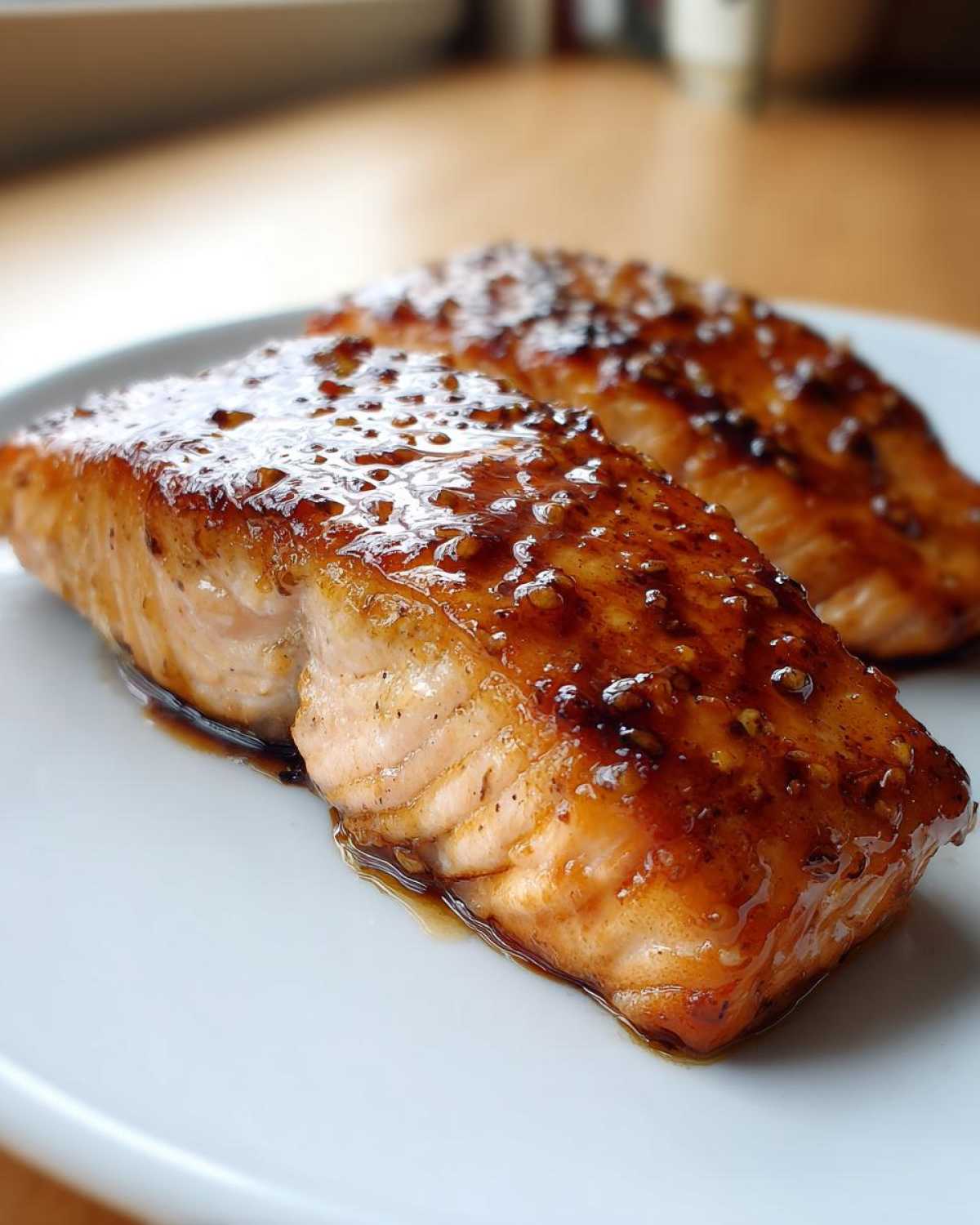
Why This Texas Roadhouse Style Baked Salmon is Your New Favorite Salmon
Okay, so why are we so obsessed with this particular way of cooking salmon? Honestly, it checks every single box we have for a great weeknight meal. We’ve done all the testing so you don’t have to! You get that restaurant-quality flavor everyone raves about, but cleanup is literally just peeling off the foil or parchment paper. It’s magic, I promise.
- Total time clocks in around 25 minutes—fast enough for Tuesdays!
- Incredibly moist and flaky texture, never dry!
- That smoky, buttery glaze tastes way more complicated than it is.
- Minimal dishes means more time relaxing after dinner.
These fillets are amazing right out of the oven, and you can follow our main baked salmon guide if you want to try other flavor profiles later.
Achieving Flaky Salmon Fillets Every Time
Texture is everything when it comes to fish, right? If you overcook it even a little, you’ve lost the battle. That’s why we stick firmly to 400°F. This higher heat gets the outside beautifully glazed while giving the inside just enough time to gently steam and become those perfect, flaky salmon fillets you dream about. It leaves you with a moist and juicy salmon that just melts away. Don’t stress about pulling it out prematurely; Elias is right here supervising the timing!
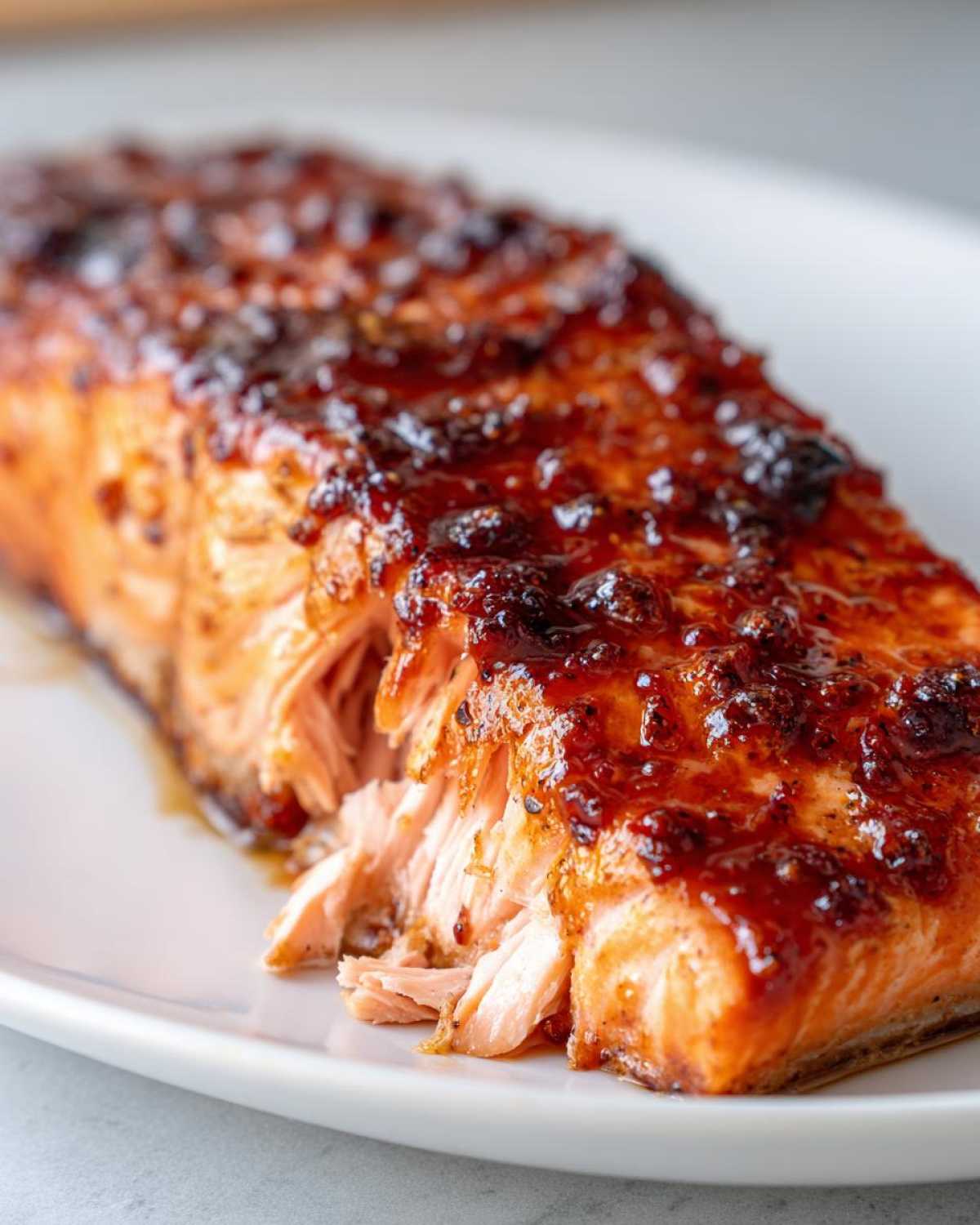
Essential Ingredients for Perfect Baked Salmon
This is where the magic starts! I always tell Hannah that good food starts with good sourcing, and this recipe shines because the ingredients are simple but specific. We’ve kept the prep time low by using pantry staples, but getting the glaze right is key. Remember, we are aiming for that sweet, smoky, restaurant-quality flavor that makes this salmon feel special.
For the seasoning rub, you’ll need standard pantry spices—salt, pepper, garlic powder, onion powder, and a little paprika for color. But for the star of the show—the glaze—you need to mix your 4 tablespoons of melted butter with honey, Worcestershire sauce, Dijon mustard, fresh minced garlic, and more smoked paprika. The Worcestershire is what gives it that depth, not just sweetness. You can check out our favorite side dish, Garlic Butter Roasted Carrots, while your butter melts!
Ingredient Notes and Simple Salmon Substitutions
A couple of quick notes from the kitchen to help you out! First, use 6-ounce fillets. If they are super thick, give them an extra two minutes of baking time near the end. You can absolutely use skin-on or skin-off salmon here; just plan your cleanup accordingly! If you happen to be out of Worcestershire sauce, a tiny splash of soy sauce mixed with a touch of vinegar will work in a pinch, though the smoky flavor will be less pronounced.
Also, if you don’t want to use the oven, know that this exact glaze works perfectly if you decide to make Air Fryer Salmon instead! Just don’t confuse the two cooking methods, or you’ll end up with burnt honey!
Step-by-Step Instructions for Restaurant Style Salmon
Okay, deep breaths, we’re going to walk through this together. Making restaurant style salmon at home is all about hitting those specific temperatures at the right time. First things first: you absolutely must preheat your oven to 400 degrees Fahrenheit. This guarantees we get that beautiful bake quickly. Lay down parchment paper or foil because trust me, cleaning burnt honey off a sheet pan is not a relaxing evening activity!
Next, pat those fillets dry—this is crucial for seasoning adherence. Brush on our spice mix evenly. Now for the glaze application: use HALF of your amazing butter and honey mixture over the seasoned fillets. Bake this initial batch for 12 to 15 minutes. It’s important to check them; they should look almost done.
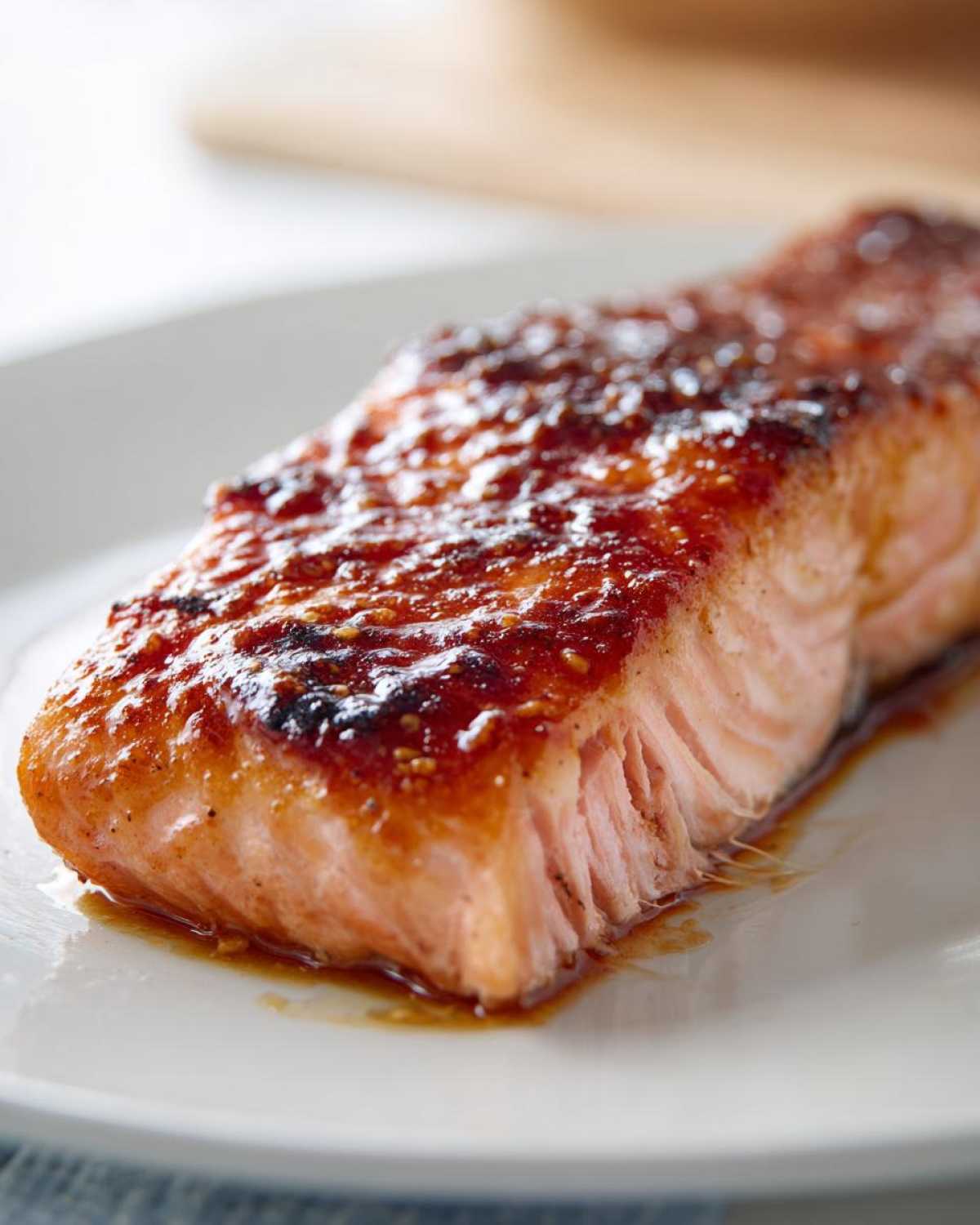
As soon as you pull them out, don’t wait! Brush on the *rest* of that glorious glaze we mixed up. This double glaze gets you that deep flavor and beautiful caramelization we see in the pictures. Pop them back in for just 2 to 3 final minutes. Seriously, watch the clock here so that honey doesn’t burn. For more inspiration on quick cooking times, check out our guide on Air Fryer Salmon.
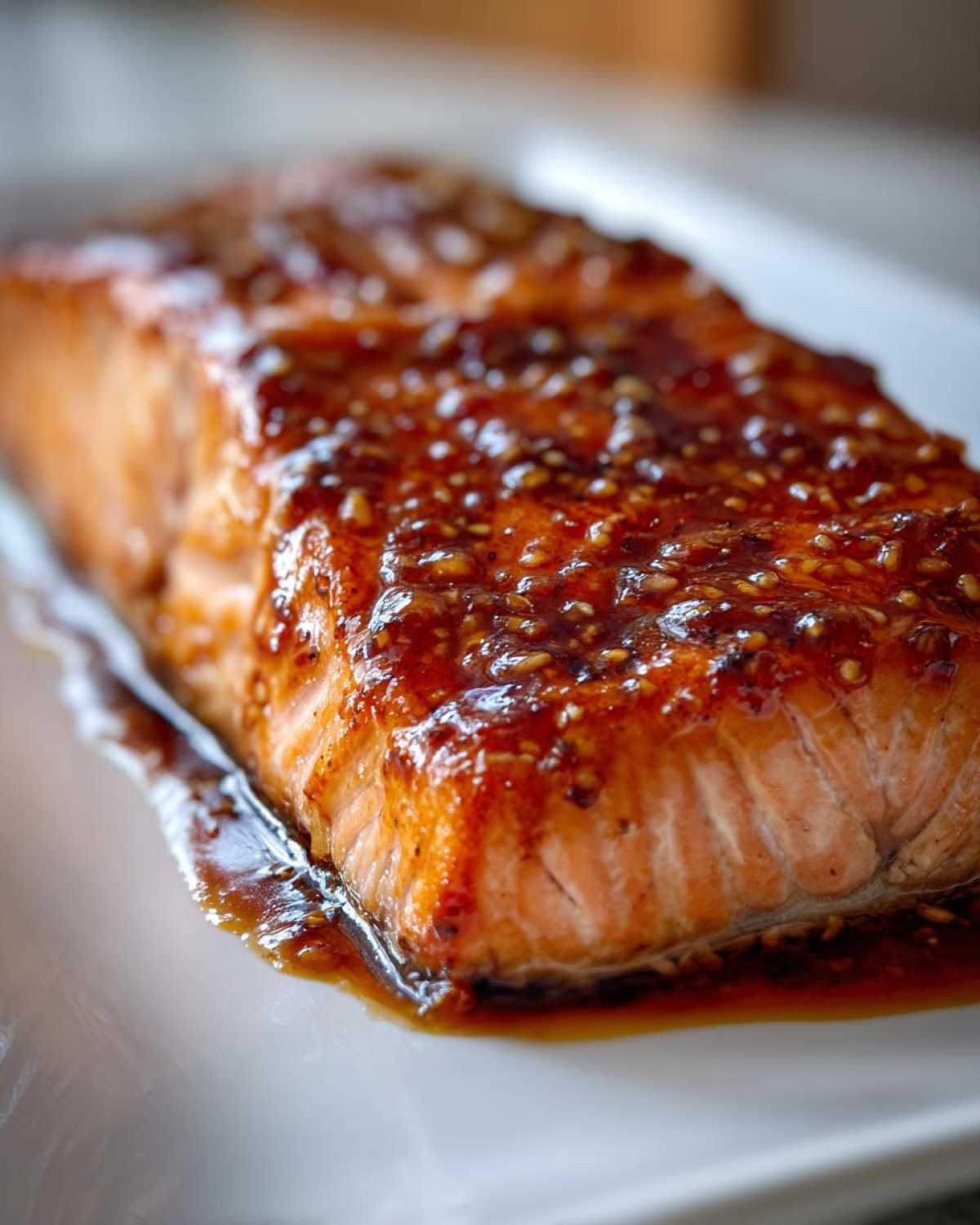
Once they look glossy and irresistible, they are done! If you used the recipe from our friends over at Smoky Oven-Baked Texas Roadhouse Style Salmon in 25 Minutes, you’ll notice the slight caramelization is perfect. They look incredible served right away!
Tips for Achieving Crispy Skin Salmon
If you are a skin-on fan, you need that delicious crunch! You shouldn’t just lay the fillets flat on the pan, even with foil underneath. The trick I use, which Elias calls overly fussy but I swear by, is setting the seasoned fillets skin-side down onto a wire rack that sits inside the baking sheet. This lets the air circulate all around the fish. That way, the skin gets direct heat and dries out just enough to get delightfully crispy while the top gets all that rich glaze.
Making Honey Glazed Salmon: The Secret to Caramelization
The glaze, guys, the glaze is everything here. It’s what takes this from just being ‘baked fish’ to that rich, almost dessert-like sweet and savory experience people expect from a great Honey Glazed Salmon. You have to whisk together that melted butter, honey, Dijon, Worcestershire, and garlic until it’s perfectly smooth. When I first tried this recipe, I put all the glaze on at once, and by minute 15, the honey had turned into a bitter black mess! Oops!
That’s why we separate the application into two steps, just like we detailed in the instructions. By basting halfway through, you let the initial layer set up slightly. Then, that final two-minute blast under the heat is where the caramelization happens. You want it shiny and deeply colored, not scorched. Keep your eye on it the second time—honey burns fast! If you want more ideas on sweet glazes, check out this other amazing honey recipe we love.
If you want to see a quick, slightly different take on sweet salmon, this one linked from Tumblr looks delicious too: Perfect Honey Glazed Salmon Recipe.
Serving Suggestions for Your 25 Minute Salmon Meal
So, we’ve got this gorgeous, rich, buttery salmon ready in record time—what do we put next to it? Since this dish packs such a flavor punch, we usually keep the sides simple so the fish is the star. Remember how I mentioned mashed potatoes or roasted asparagus in the instructions? Those are our go-to favorites for a perfect, healthy fish dinner!
The creamy mashed potatoes soak up any extra bits of that sweet glaze, which is just heavenly. If we’re keeping it super light, roasted broccoli or green beans tossed with a little lemon juice work beautifully. If you’re looking for a fantastic potato recipe that matches this speed, you absolutely have to try our Lemon Garlic Roasted Potatoes. It’s the ideal complement for this quick dinner idea!
Storage and Reheating Instructions for Leftover Salmon
Even though this amazing salmon disappears fast, sometimes we have leftovers, and we need to treat them right! Never just toss your beautiful fillet in the fridge uncovered, or it will dry out before tomorrow. Store any extra portion in a sturdy, truly airtight container. I recommend pressing a piece of plastic wrap directly onto the surface of the fish before sealing the lid—extra protection never hurts!
When you reheat, avoid the scorching microwave blast. Elias gently warms ours in a very low oven—maybe 300°F—with just a tiny splash of water or broth in the pan underneath. This steams it softly and keeps that luscious, flaky texture we worked so hard to achieve. It tastes almost as good as fresh!
Frequently Asked Questions About Baked Salmon
We know you might have a few lingering questions before diving into this deliciousness, especially if you’re new to baking fish for a weeknight meal. That’s totally fine! We’re here to make sure your experience results in moist and juicy salmon every single time. Asking questions is how we learn, right? Hannah always says if one person wonders it, ten others do too!
How do I know when my salmon is perfectly done?
This is the most important question! Forget hovering over a thermometer, though they do help. For that perfect flaky texture, look for two major signs. First, the salmon should look opaque all the way through, and secondly, it should gently flake when you nudge it with a fork on its thickest part. If it tries to resist the fork, give it one or two more minutes. We never want tough fish!
Can I make this recipe using frozen salmon fillets?
This is a common check for quick dinner ideas! You totally can, but you must thaw the salmon first. Never try to bake a partially frozen fillet; it messes up the timing completely and you’ll likely end up with drying out the outside while the middle is still chilled. Thaw them slowly overnight in the fridge for the best results.
What temperature should I use if I decide to make Air Fryer Salmon?
If you opt for the air fryer noted in the recipe tips, you need to drop the temperature a bit lower than the oven setting. We recommend cooking your honey glazed beauty at 380 degrees Fahrenheit. It generally cooks faster than the oven, so start checking around the 10-minute mark for that perfect result. We’ve posted a full comparison on seafood prep methods if you want to dive deeper!
Estimated Nutritional Breakdown for Garlic Butter Salmon
We believe in being transparent about what we’re eating, even if it’s the most delicious Garlic Butter Salmon ever made! Here are the estimated numbers for one beautiful fillet based on our recipe measurements. Please remember these are just guidelines, since everything from your brand of honey to the exact thickness of your fish can change the final count. If you want to see our general guidelines on nutrition reporting, check out our disclaimer page.
- Calories: 380
- Protein: 35g
- Fat: 22g (10g Saturated)
- Carbohydrates: 9g
- Sugar: 8g
Share Your Perfect Salmon Experience
Well, that’s it! We’ve shared our secrets for turning a busy weeknight into an impressive dinner with this Texas Roadhouse Style Baked salmon. We sincerely hope you love making it as much as Hannah and I love eating it when we test recipes!
We can’t wait to hear how yours turned out. Did the glaze caramelize just right? Did your family even believe you made this gorgeous fish at home in under 30 minutes? Don’t keep it a secret! Please take a moment to rate this recipe below—five stars if you loved it! If you snapped a picture of your restaurant style salmon, we’d be thrilled if you shared it with us over on our contact page; seeing your beautiful results really makes our day.
If this recipe gave you a new view on easy weeknight cooking, perhaps hop over and check out another simple favorite like the one from our friends at Simple Baked Salmon Recipe! Happy cooking, from both of us.
With love and good food,
Elias & Hannah
Restaurant-Quality Texas Roadhouse Style Baked Salmon in 25 Minutes
Make this incredibly easy Texas Roadhouse Style Baked Salmon at home. You get a smoky, buttery glaze that melts into tender, flaky fillets, ready in just 25 minutes for a perfect weeknight dinner or an impressive meal for guests.
- Prep Time: 10 min
- Cook Time: 18 min
- Total Time: 28 min
- Yield: 4 servings
- Category: Dinner
- Method: Baking
- Cuisine: American
- Diet: Low Fat
Ingredients
- 4 (6 ounce) salmon fillets, skin on or off
- 1 tablespoon olive oil
- 1 teaspoon salt
- 1/2 teaspoon black pepper
- 1/2 teaspoon garlic powder
- 1/2 teaspoon onion powder
- 1/4 teaspoon paprika
- 1/4 teaspoon cayenne pepper (optional, for a little kick)
- For the Glaze:
- 4 tablespoons unsalted butter, melted
- 2 tablespoons honey
- 1 tablespoon Worcestershire sauce
- 1 teaspoon Dijon mustard
- 2 cloves garlic, minced
- 1 teaspoon smoked paprika
- 1/2 teaspoon dried oregano
Instructions
- Preheat your oven to 400 degrees Fahrenheit (200 degrees Celsius). Line a baking sheet with parchment paper or aluminum foil for easy cleanup.
- Pat the salmon fillets dry using paper towels. This step helps achieve better texture. Place the salmon on the prepared baking sheet.
- In a small bowl, mix the olive oil, salt, pepper, garlic powder, onion powder, paprika, and cayenne pepper. Brush this seasoning mixture evenly over the top and sides of the salmon fillets.
- Prepare the glaze: In another small bowl, whisk together the melted butter, honey, Worcestershire sauce, Dijon mustard, minced garlic, smoked paprika, and oregano until fully combined.
- Brush about half of the glaze mixture evenly over the seasoned salmon fillets.
- Bake the salmon for 12 to 15 minutes, depending on the thickness of your fillets, until the salmon is mostly cooked through and flakes easily with a fork.
- Remove the baking sheet from the oven. Brush the remaining glaze over the salmon.
- Return the salmon to the oven and bake for another 2 to 3 minutes, or until the glaze is slightly caramelized and the salmon reaches your desired doneness. Watch carefully to prevent burning the honey.
- Serve your moist and juicy salmon immediately. We love pairing this with mashed potatoes or roasted asparagus for a complete, healthy fish dinner.
Notes
- For crispy skin salmon, place the fillets skin-side down on a wire rack set over the baking sheet before seasoning. This allows air to circulate underneath.
- If you prefer a sweeter glaze, increase the honey by one teaspoon.
- This recipe works well for air fryer salmon too; cook at 380 degrees Fahrenheit for 10-12 minutes, glazing halfway through.
Nutrition
- Serving Size: 1 fillet
- Calories: 380
- Sugar: 8
- Sodium: 450
- Fat: 22
- Saturated Fat: 10
- Unsaturated Fat: 12
- Trans Fat: 0
- Carbohydrates: 9
- Fiber: 0
- Protein: 35
- Cholesterol: 95