

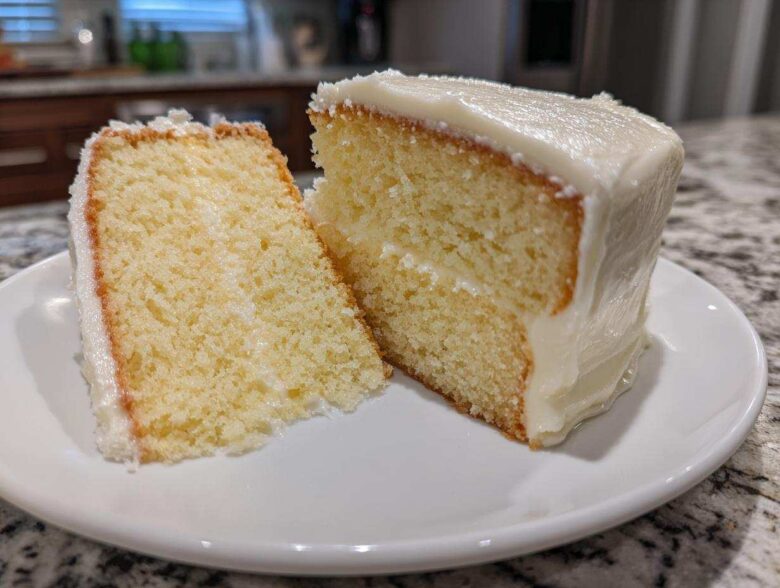
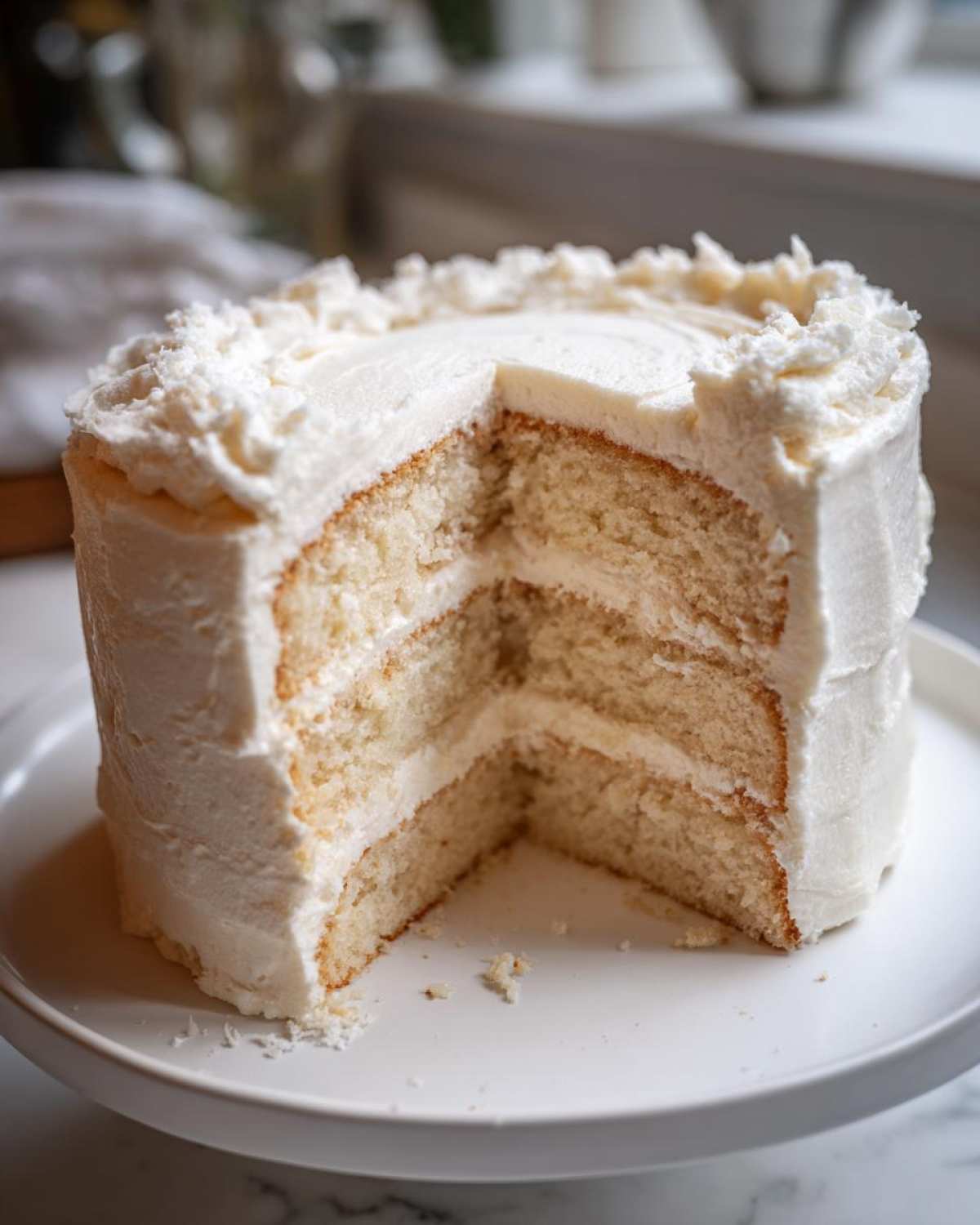
Oh, the quest for the perfect vanilla cake! It’s a journey every home baker needs to take, right? We’ve all been there: searching for that one recipe that promises heaven but sometimes delivers a slightly dry, crumbly disappointment. Well, stop scrolling, because Elias and I finally nailed it. This is truly the vanilla cake recipe that changes everything; it delivers moist, fluffy layers every single time. We’re Hannah and Elias from Flavor Vista, and we aren’t professional chefs, but we know how to make a kitchen feel like a celebration. This soft, tender cake is what we turn to whenever we need a showstopper—it’s the ultimate classic birthday cake recipe built from scratch.
Why This is the Perfect Vanilla Cake Recipe for You
Trust me when I say we tested this until we were dizzy on sugar! What we ended up with is exactly what you’re hoping for: a cake that’s genuinely moist without being dense and fluffy enough for celebration stacks. We poured all our kitchen knowledge into making this foolproof. If you’re looking for that benchmark recipe, you found it!
- It stays incredibly soft for days—perfect if you need to make ahead!
- The crumb structure is delicate but holds up beautifully to frosting.
- It relies on simple, everyday pantry staples—which is why we love it so much!
Achieving the Ultimate Moist Vanilla Layer Cake Texture
The secret to that dreamy texture, the one that screams bakery quality? It’s all about temperature control. When your butter is perfectly softened and your milk and eggs are at room temperature, they emulsify way better. This creates tiny air pockets that trap moisture as the cake bakes, resulting in that melt-in-your-mouth softness. It’s the same principle we use when getting our buttermilk pancakes just right!
Our Easy Vanilla Cake Recipe: Simple Steps for Success
Seriously, if you can measure ingredients, you can nail this! Elias often calls this our Easy Vanilla Cake Recipe because the steps are so clear and reliable. We specifically designed the creaming and adding sequence to minimize the chance of error. This is the recipe I tell beginners to start with; it simply delivers every single time.
Gathering Ingredients for Your Fluffy Vanilla Cake From Scratch
Okay, now that you know this cake is going to be amazing, let’s talk supplies! Baking relies on precision, especially when we’re aiming for that perfect fluffy vanilla cake from scratch. Please, please pull everything out well ahead of time so those butter, eggs, and milk are totally room temperature. It makes such a difference in how the batter comes together. If you want to see our favorite way to finish this off, check out our guide to the homemade vanilla buttercream frosting, too!
Cake Batter Ingredients for the Best Vanilla Cake Recipe
For the cake itself, we keep it super classic. The flavor absolutely hinges on using pure vanilla extract—don’t skimp here; that’s where the bulk of your flavor comes from!
- 1 3/4 cups all-purpose flour
- 1 3/4 cups granulated sugar
- 1 tablespoon baking powder (make sure it’s fresh!)
- 1/2 teaspoon salt
- 1 cup unsalted butter, softened nicely
- 4 large eggs, at room temperature
- 1 cup whole milk, room temperature
- 2 teaspoons pure vanilla extract
Ingredients for Homemade Vanilla Buttercream Frosting
This frosting is everything—creamy but not super heavy. Remember that the heavy cream measurement is flexible; we use it to adjust the final fluffiness. You’ll want to sift your powdered sugar, or things can get lumpy fast. Oops!
- 1 cup unsalted butter, softened
- 4 cups powdered sugar, sifted
- 1 teaspoon pure vanilla extract
- 3-4 tablespoons heavy cream (add slowly!)
- Pinch of salt
Step-by-Step: Baking Your Perfect Vanilla Cake Recipe
Now for the fun part! This is where that beautiful, delicate crumb starts to form. Don’t rush anything here, especially if it’s your first time making this vanilla cake recipe. We want a smooth, cohesive batter that bakes up beautifully light and fluffy for your layers.
Preparing Pans and Mixing the Dry Vanilla Cake Recipe Base
First thing’s first: turn that oven up to 350°F (175°C). Then, grease and flour your two 8-inch round pans. Elias insists on always cutting parchment paper circles to line the bottom, too—it’s our insurance policy against sticking! In a big bowl, whisk the flour, sugar, baking powder, and salt together. Now add your softened butter and beat it on low speed with the mixer. You’re not creaming yet! You want it to look like coarse, pale sand. This step coats the flour particles in fat, which helps keep the final cake soft.
Combining Wet Ingredients and Achieving the Soft Vanilla Sponge Cake Batter
In a separate bowl, gently whisk your room temperature eggs, milk, and vanilla until they are just barely combined. Start adding the wet mix slowly to your sandy butter/flour mixture, alternating in scoops—only add about half the liquid first, just until it comes together. I always stop the mixer and scrape the sides down here because if you don’t, you end up with those annoying flour streaks hiding in the bottom corner! Then add the rest of the liquids and beat it on medium speed for just about a minute until it looks smooth. Please, please, do not overmix now, or you’ll lose all that beautiful softness.
Baking and Cooling the Moist Vanilla Layer Cake
Divide that lovely batter evenly between your prepared pans. They should go into the oven for about 30 to 35 minutes. You know they’re done when a wooden pick inserted into the center comes out totally clean. The cakes need to rest in those hot pans for 10 minutes. This short rest is vital! After that, flip them out onto a wire rack where they need to cool completely before we even think about frosting them. Trying to frost a warm cake is just asking for a soupy disaster! If you’re interested in different frosting methods down the road, like cream cheese, check out my ideas here.
Assembling Your Vanilla Cake for Special Occasions with Frosting
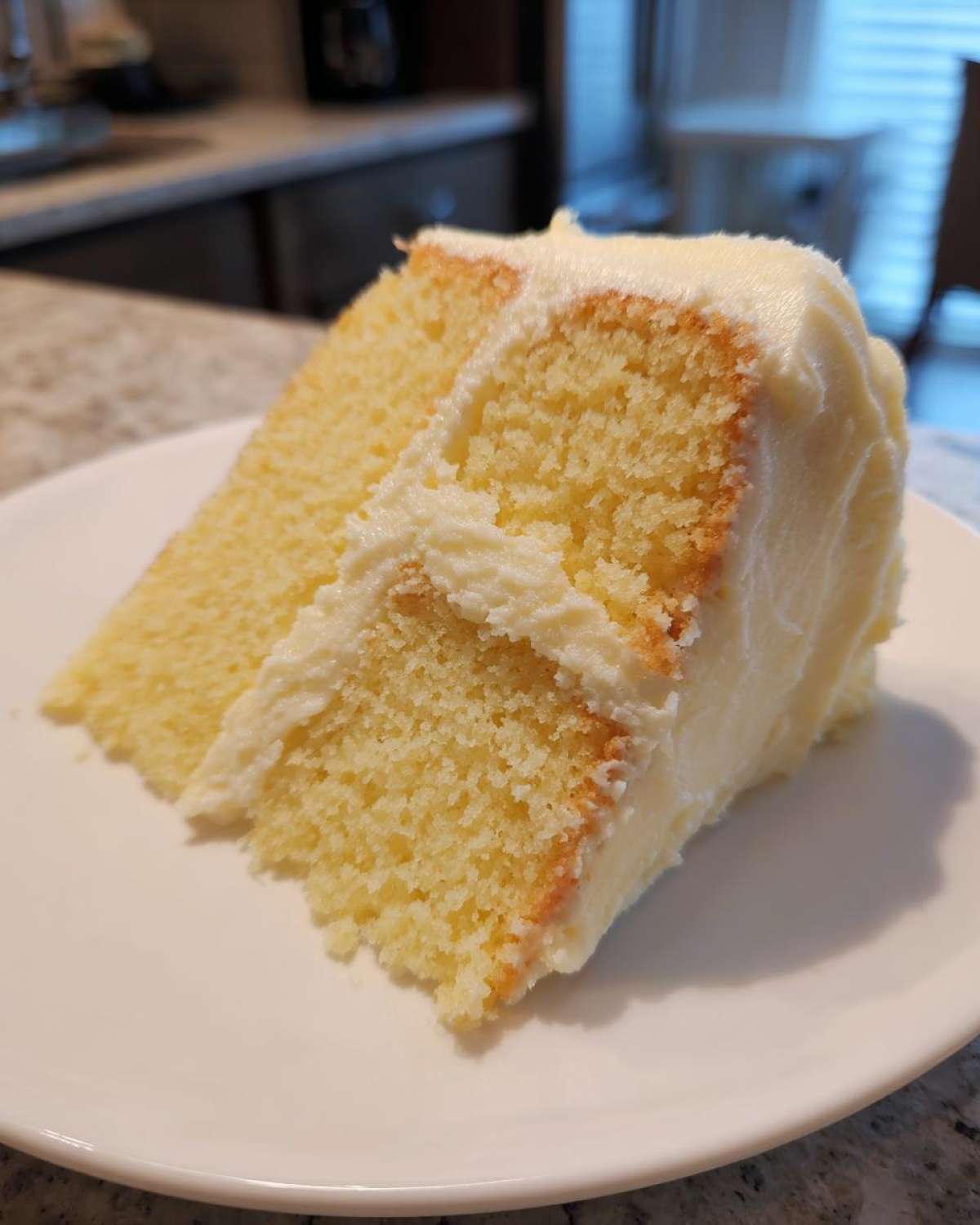
Once those layers are completely cool—and I mean stone cold, folks!—it’s time to bring this beauty to life. This is where the Vanilla Cake for Special Occasions truly shines. We have to get the frosting right for that bakery-quality finish everyone expects!
Making the Creamy Homemade Vanilla Buttercream Frosting
Start by beating your softened butter until it’s light and fluffy; don’t skimp on this step, it holds all the air! Then, add your sifted powdered sugar slowly, one cup at a time, mixing well between additions. If you dump it all in at once, you’re going to wear it, trust me! Once it looks thick and slightly pasty, we add the vanilla and a pinch of salt. Then, drizzle in the heavy cream, just a tablespoon at a time, until you get the perfect consistency. It should be silky smooth and spreadable, not stiff.
Layering and Finishing the Classic Birthday Cake Recipe
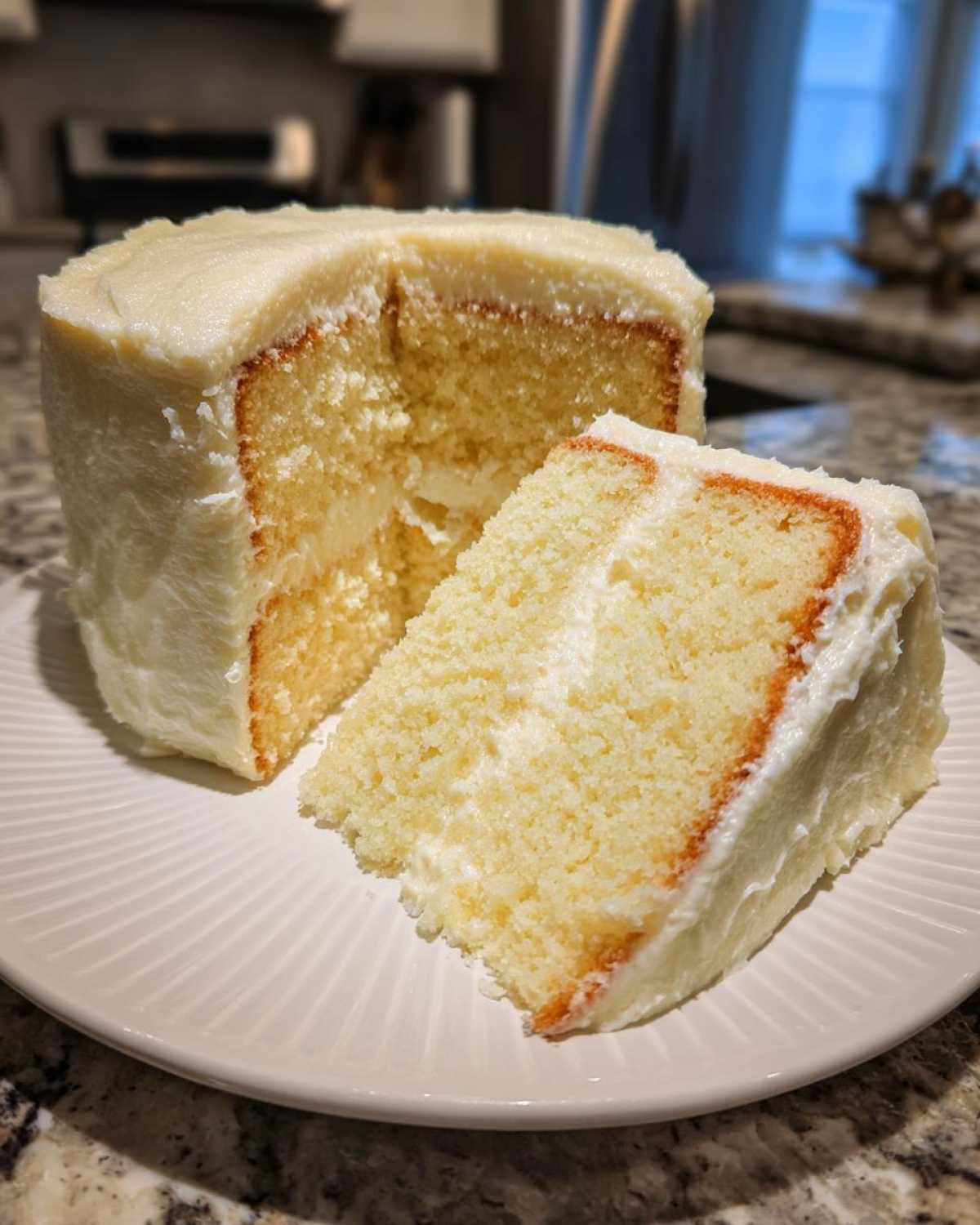
Take your first cooled layer and spread about one-third of that glorious frosting right on top. This is your base layer of flavor and structure. Carefully place the second layer on top. Now, take another small dollop of frosting to cover the top and sides—this initial layer seals in all those crumbs (that’s our easy crumb coat!). Once that’s set, go ahead and cover the whole beautiful thing with the rest of your creamy frosting. It’s ready for sprinkles or maybe just a swirl if you prefer something simpler, like our coffee cake tends to be!
Tips for Success with This Perfect Vanilla Cake Recipe
Even with the best vanilla cake recipe, sometimes things need a little nudge! Think of these tips as the behind-the-scenes secrets Elias and I figured out over countless batches. We want you to feel confident walking into the kitchen, not nervous!
One thing we learned quickly is making this cake ahead of time is no problem at all. You can wrap those completely cooled cake layers tightly in plastic wrap and pop them in the freezer for up to a month! They thaw beautifully. Also, remember that pinch of salt in both the cake and the frosting? It’s crucial! Salt doesn’t make the cake taste salty; it just wakes up all those sweet vanilla notes. It’s the same reason we sneak a little salt into our cornbread. Don’t skip out on those flavor enhancers!
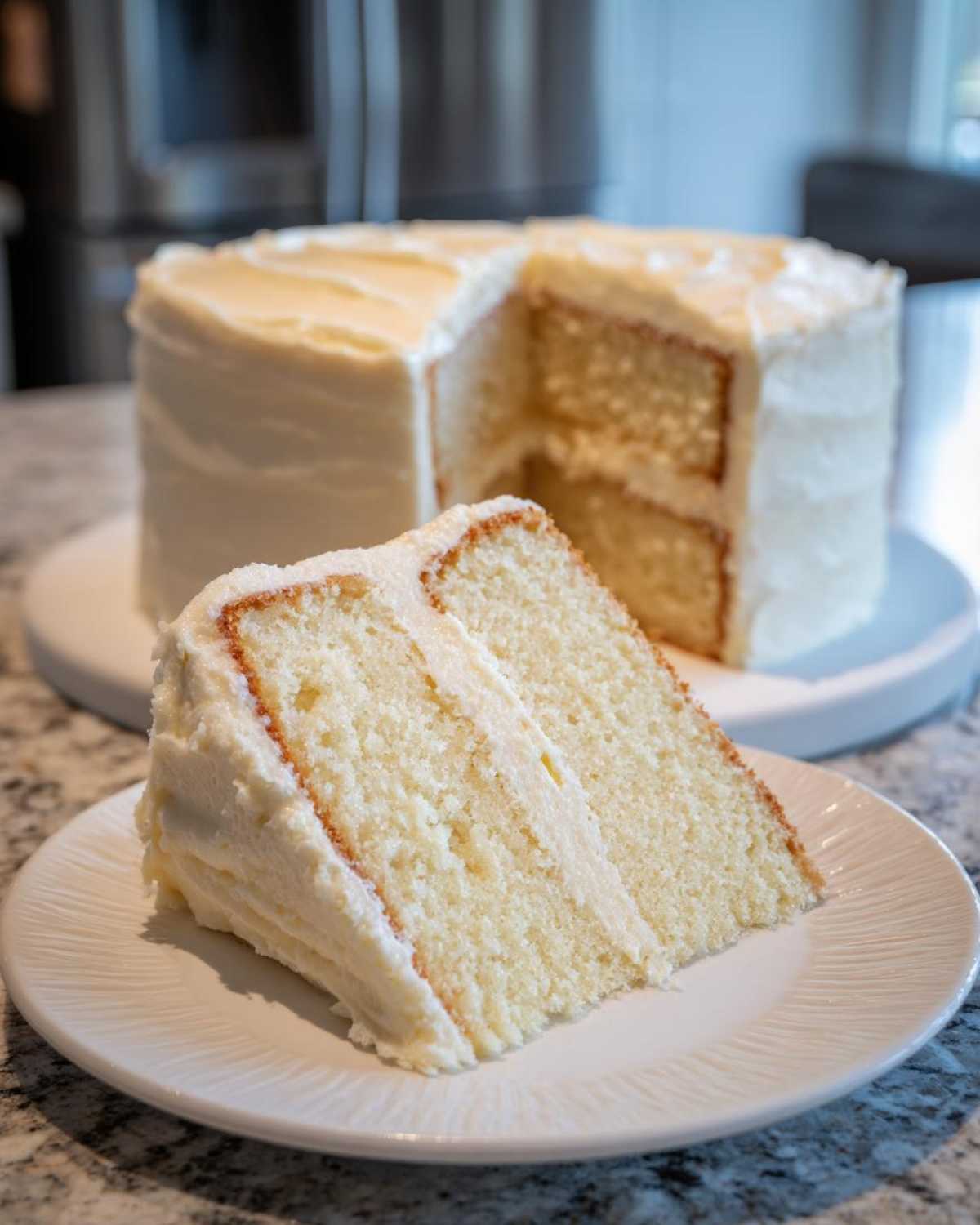
And honestly, don’t stress about getting it perfectly smooth right away. If you are practicing for a huge event, make the layers one day, wrap them, and frost the next. That slight chill helps everything stay put.
Ingredient Notes and Substitutions for Your Vanilla Cake Recipe
I want to chat for a second about ingredients, because this is where we move from a good recipe to the perfect vanilla cake recipe. We sometimes see people try to substitute low-fat milk or even use vegetable oil instead of butter in a pinch, but honestly, if you want that tender, bakery-quality crumb, you have to respect the fat and liquid ratios here.
If you’re looking to replicate that slightly richer, almost velvety texture you sometimes find in professional bakeries, you might be wondering about sour cream. We haven’t officially tested it in this specific batch yet, but adding about half a cup of full-fat sour cream in place of some milk gives a lovely tang and incredible moisture boost. Sometimes it’s those little tweaks that elevate something simple!
And while we call for whole milk, using something lower fat like 2% will absolutely dry out your finished cake just a tiny bit. We need that fat content to keep this soft vanilla sponge cake incredibly moist!
Why Room Temperature Matters for a Soft Vanilla Sponge Cake
This is probably the most important non-ingredient tip I can give you: everything cold fights everything else. If you add cold eggs to room-temperature butter that you’ve just creamed, the butter immediately seizes up and solidifies. When that happens, all the beautiful air bubbles Elias and I worked so hard to beat into that butter/sugar mixture get knocked right out!
When the ingredients are at the same temperature—usually around 70°F—they blend together perfectly, forming a strong, stable emulsion that traps the air. That stable emulsion is responsible for trapping the gases from the baking powder, which results in a moist vanilla layer cake that rises evenly and stays fluffy, not sunken or dense.
Storing and Making Ahead Your Vanilla Cake Recipe
I know sometimes life is too busy to bake and serve a cake all in the same day, and that’s totally fine! This recipe is actually fantastic for making ahead. You can absolutely prepare this as a Make Ahead Vanilla Cake. The layers freeze like a dream!
Once the cakes are completely cool—and I mean bone-cold—wrap each layer tightly in plastic wrap. We usually go for two layers of wrap just to be safe. Toss them right into the freezer for up to a month. When you’re ready to frost, just thaw them on the counter before unwrapping. If you are just keeping it at room temperature, sealed up tight under a cake dome, it’ll stay fresh for about three days. I usually skip the fridge unless the weather is super humid; cold air can dry out unprotected cake fast.
Frequently Asked Questions About This Vanilla Cake Recipe
We get so many questions about this recipe—it’s a clear sign so many of you are baking along with us! Honestly, whenever I’m baking something that might be served at a big event, I always run through this mental checklist. Hopefully, these answers help you achieve that perfect batch of fluffy vanilla cake from scratch without any kitchen drama.
Can I turn this into a Vanilla Sheet Cake Recipe?
Oh, absolutely! If you need something quick for a big crowd or just don’t want to deal with stacking layers, converting this to a Vanilla Sheet Cake Recipe is simple. You can pour this batter right into a greased and floured 9×13 inch pan. Because the batter is thinner in a wide pan compared to two deep round pans, it will bake faster! I’d start checking it around the 25 to 30-minute mark, but always use that toothpick test to be sure.
How do I ensure my cake layers are perfectly level?
This is a classic problem, especially with a moist cake! If your layers dome a little in the middle, don’t panic. My trick is waiting until the cake is slightly warm—not hot, but warm enough to handle easily—and then using a long, serrated bread knife to carefully slice that dome right off. It gives you those beautiful, flat tops ready for frosting. Some folks swear by wetting cake strips, but honestly, a steady hand and a good knife usually do the trick around here!
What is the secret to the Best Vanilla Cake Recipe flavor?
If you really want the Best Vanilla Cake Recipe flavor to shine, it all comes down to two things! First, use the best pure vanilla extract you can afford. It sounds simple, but the difference between that imitation stuff and the real deal is huge in a mostly white cake like this. Second, make sure your baking powder is fresh! If it’s old, your cake won’t lift properly, and you’ll end up with a dense texture instead of that light, fluffy crumb we worked so hard for. Head over to our main blog page if you’re looking for even more great tips! Check out more of our baking adventures!
Nutrition Estimates for This Classic Vanilla Cake
Hey, I know sometimes we want the numbers, right? Whether you’re counting macros or just curious about what’s in this amazing dessert, here are the estimates for one slice of this classic vanilla cake recipe. Keep in mind these are rough estimations because we all use different brands of butter and cream, but it gives you a pretty good baseline for a slice when considering a serving size!
- Serving Size: 1 slice
- Calories: 450
- Sugar: 55g
- Sodium: 250mg
- Fat: 22g
- Saturated Fat: 14g
- Unsaturated Fat: 8g
- Trans Fat: 0.5g
- Carbohydrates: 60g
- Fiber: 1g
- Protein: 5g
- Cholesterol: 110mg
This is just an estimate, of course, and doesn’t account for the exact amount of frosting you pile on—and let’s be honest, we never use just a thin layer!
PrintThe Best Classic Vanilla Layer Cake with Creamy Buttercream
You need this recipe for a perfectly moist, soft, and fluffy vanilla layer cake. It is simple to make from scratch and pairs perfectly with rich vanilla buttercream frosting for any special occasion.
- Prep Time: 25 min
- Cook Time: 35 min
- Total Time: 60 min
- Yield: 10 servings
- Category: Dessert
- Method: Baking
- Cuisine: American
- Diet: Vegetarian
Ingredients
- 1 3/4 cups all-purpose flour
- 1 3/4 cups granulated sugar
- 1 tablespoon baking powder
- 1/2 teaspoon salt
- 1 cup unsalted butter, softened
- 4 large eggs, room temperature
- 1 cup whole milk, room temperature
- 2 teaspoons pure vanilla extract
- For the Frosting: 1 cup unsalted butter, softened; 4 cups powdered sugar, sifted; 1 teaspoon pure vanilla extract; 3-4 tablespoons heavy cream; Pinch of salt
Instructions
- Preheat your oven to 350°F (175°C). Grease and flour two 8-inch round cake pans. Line the bottoms with parchment paper circles.
- In a large bowl, whisk together the flour, sugar, baking powder, and salt.
- Add the softened butter to the dry ingredients. Beat with an electric mixer on low speed until the mixture resembles coarse sand.
- In a separate bowl, whisk together the eggs, milk, and vanilla extract until combined.
- With the mixer on low speed, gradually add half of the wet mixture to the dry ingredients, mixing until just combined. Scrape down the sides of the bowl.
- Add the remaining wet mixture and beat on medium speed for about 1 minute until the batter is smooth. Do not overmix.
- Divide the batter evenly between the prepared cake pans.
- Bake for 30 to 35 minutes, or until a wooden pick inserted into the center comes out clean.
- Let the cakes cool in the pans for 10 minutes before inverting them onto a wire rack to cool completely.
- To make the frosting, beat the softened butter in a large bowl until creamy.
- Gradually add the sifted powdered sugar, one cup at a time, mixing well after each addition.
- Beat in the vanilla extract and salt.
- Add the heavy cream, one tablespoon at a time, beating until the frosting is light, fluffy, and spreadable. Add more cream if needed for a softer consistency.
- Once the cakes are completely cool, place one layer on a serving plate. Spread about one-third of the frosting over the top. Place the second layer on top and frost the top and sides of the entire cake.
Notes
- Using room temperature ingredients like eggs and milk helps create a smoother, more uniform batter, resulting in a softer crumb.
- For a bakery style vanilla cake, use high-quality pure vanilla extract to maximize flavor.
- You can make this cake ahead; wrap cooled layers tightly in plastic wrap and freeze for up to one month. Thaw before frosting.
Nutrition
- Serving Size: 1 slice
- Calories: 450
- Sugar: 55g
- Sodium: 250mg
- Fat: 22g
- Saturated Fat: 14g
- Unsaturated Fat: 8g
- Trans Fat: 0.5g
- Carbohydrates: 60g
- Fiber: 1g
- Protein: 5g
- Cholesterol: 110mg