


Gluten-Free Dinner Rolls That Actually Rise: The Secret to Soft Holiday Baking
Finding a truly soft batch of Gluten-Free Dinner Rolls That Actually Rise feels like winning the baking lottery. Right?
For years, GF bread meant dense bricks for us. Hannah often felt frustrated trying to get that airy crumb.
Then Elias, with his quiet patience, started working the science. He understood that GF baking needs structure.
We learned that texture isn’t luck; it’s chemistry and time working together.
This recipe finally gave us the fluffy results we craved.
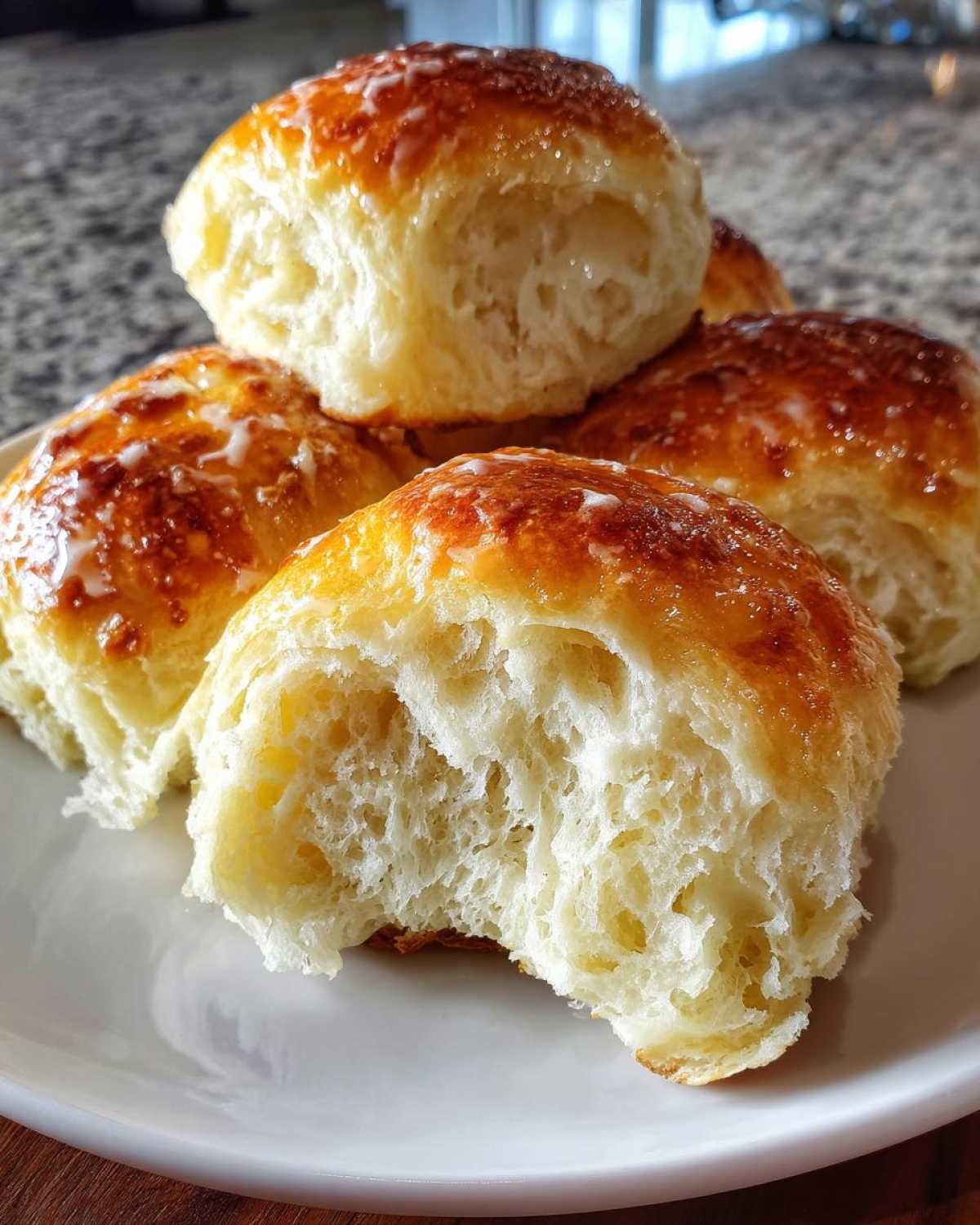
It makes holiday meals so much easier and happier for everyone.
Why You’ll Love These Gluten-Free Dinner Rolls That Actually Rise
I get it. You want great bread. You don’t want to compromise.
These rolls are different from the usual heavy stuff.
They bring everyone to the table happily.
Here is why I think you’ll make this recipe often:
- They are incredibly soft and light.
- Prep time is surprisingly short.
- They fit many different diets easily.
Quick Prep Time for Busy Bakers
You only need about 20 minutes of hands-on work.
That leaves plenty of time for everything else.
We kept the active steps very simple.
The Texture Rivals Traditional Rolls
This is the big win for us.
No more dry, crumbly edges here.
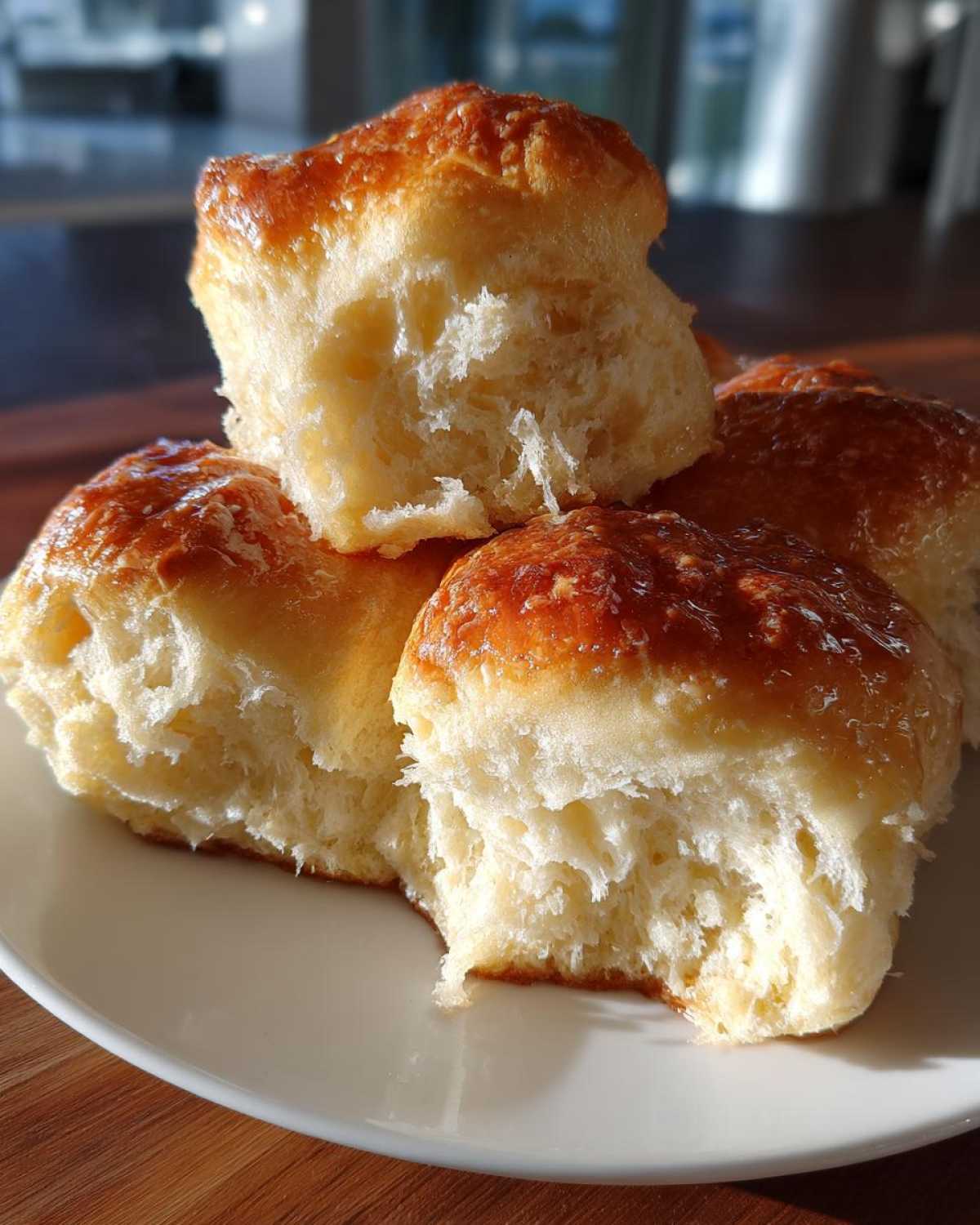
They genuinely feel like classic yeast rolls.
Essential Equipment for Perfect Gluten-Free Dinner Rolls That Actually Rise
You don’t need a full commercial kitchen.
But having the right tools helps a lot.
These are the must-haves for these rolls.
They make creating Gluten-Free Dinner Rolls That Actually Rise much simpler.
- A sturdy mixing bowl or stand mixer.
- Measuring cups and spoons.
- Parchment paper for easy cleanup.
- A good baking sheet.
Ingredient Deep Dive for Gluten-Free Dinner Rolls That Actually Rise
Gluten-free baking is truly a science project.
We have to replace what wheat flour provides naturally.
That’s why these ingredients are non-negotiable.
They give our Gluten-Free Dinner Rolls That Actually Rise their structure.
If you skip these, the texture suffers greatly.
Stick to the list for the best results.
Understanding Psyllium Husk Powder
Psyllium husk powder is our secret weapon here.
It acts like the gluten protein would.
It binds everything together nicely.
This is crucial for structure in Gluten-Free Dinner Rolls That Actually Rise.
It helps trap those yeast gases too.
This ingredient helps the dough hold its shape.
Yeast Activation Clarity
Yeast is a living thing, remember that.
Too hot, and you kill it instantly.
Water needs to be warm, not scalding hot.
Aim for 105 to 115 degrees Fahrenheit exactly.
This temperature wakes the yeast up gently.
If it doesn’t foam, your rolls won’t rise well.
Step-by-Step Instructions for Gluten-Free Dinner Rolls That Actually Rise
Now for the fun part, turning ingredients into something amazing.
Follow these steps closely.
We want those perfect Gluten-Free Dinner Rolls That Actually Rise.
Don’t rush the rising times at all.
That waiting is where the magic happens.
It builds that soft, bread-like structure.
Activating the Yeast and Mixing Dry Ingredients
Start by waking up your yeast first.
Mix the warm water, sugar, and yeast together.
Let that mixture sit for five to ten minutes.
It should look foamy on top when ready.
While that happens, whisk your dry stuff well.
The gluten-free flour blend and salt go in a big bowl.
Make sure the psyllium husk powder mixes in evenly.
Forming and Shaping Your Gluten-Free Dinner Rolls That Actually Rise
Combine the wet and dry mixtures now.
Mix until you see a sticky dough form.
Remember, this dough is wetter than wheat dough.
Resist adding extra flour right away.
Gently punch the dough down after the first rise.
Wet your hands slightly before dividing the dough.
This stops the dough from sticking to you.
Shape each piece into a smooth, round ball.
The Two Rises: Key to Achieving Height
The first rise takes about 45 to 60 minutes.
Place the shaped rolls on your lined baking sheet.
Cover them loosely with plastic wrap or cloth.
The second rise is shorter, only 20 to 30 minutes.
This second rest is crucial for the final lift.
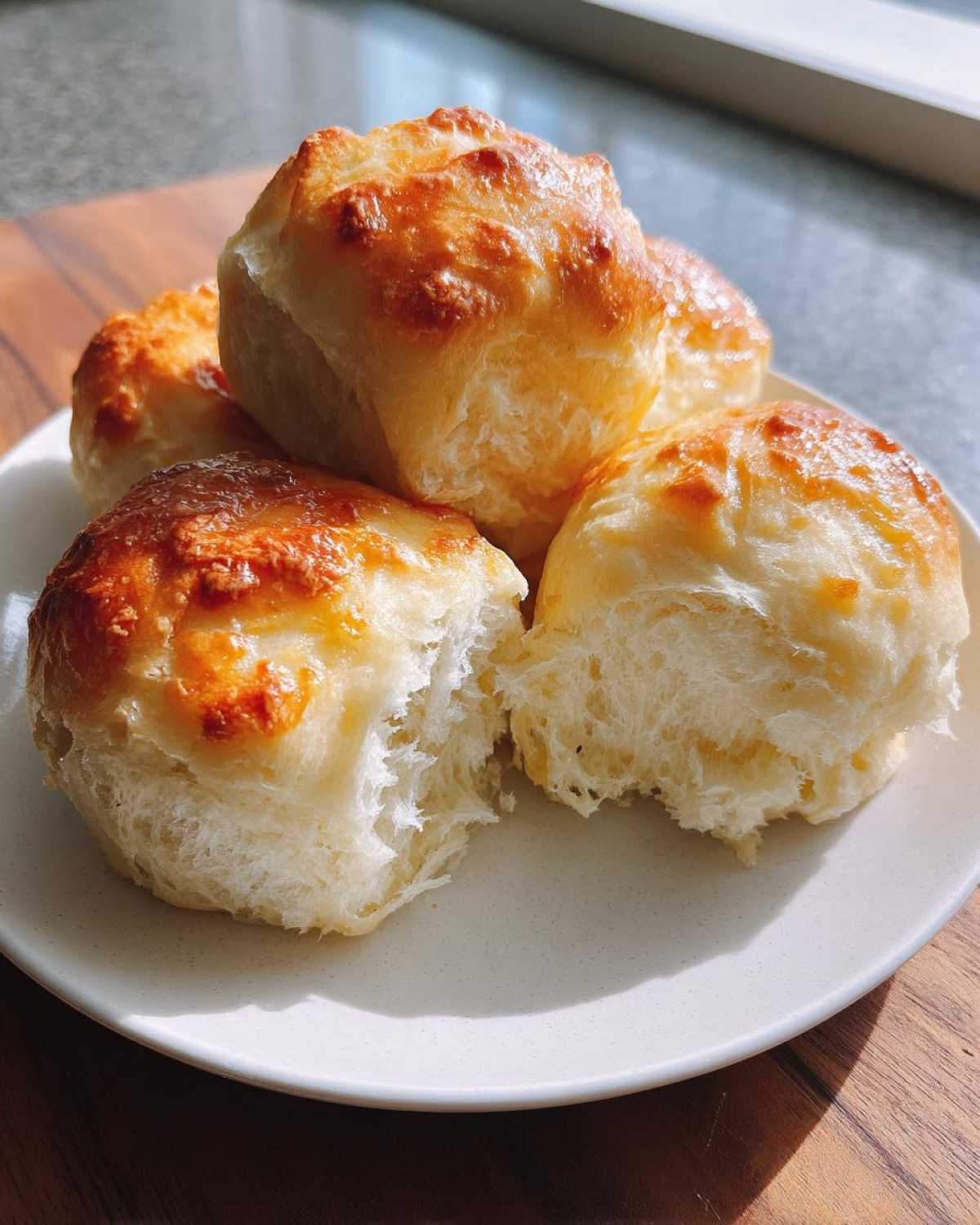
It makes your Gluten-Free Dinner Rolls That Actually Rise look puffy.
Baking for Golden Perfection
Preheat your oven to 375 degrees Fahrenheit.
Bake the rolls for 20 to 25 minutes total time.
Watch for a beautiful golden brown color.
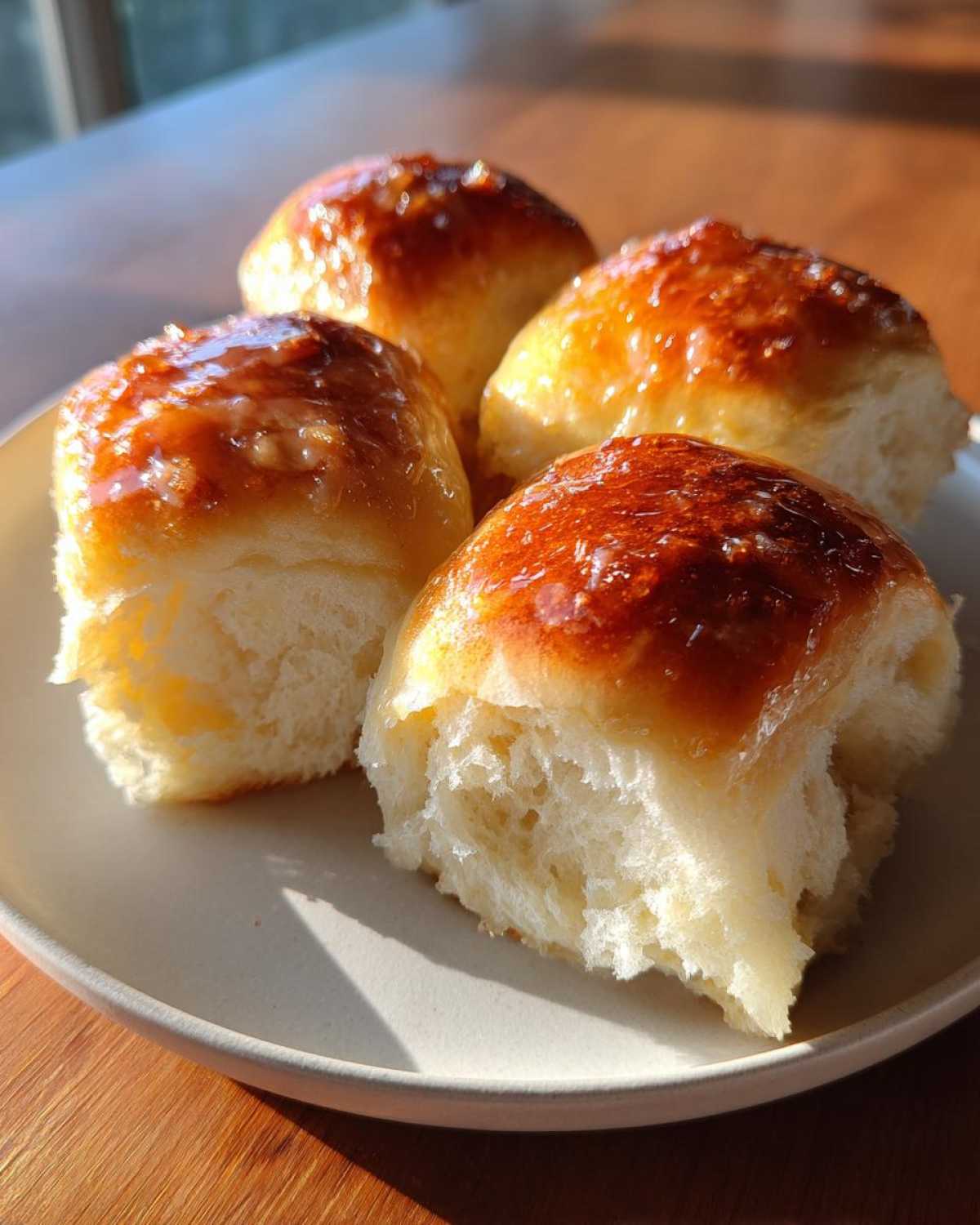
Immediately brush the tops with melted butter.
This step locks in moisture beautifully.
Let them cool a bit before you taste them.
Tips for Success with Gluten-Free Dinner Rolls That Actually Rise
Baking GF bread can feel tricky sometimes.
A few small tweaks make a huge difference here.
These tips help guarantee your Gluten-Free Dinner Rolls That Actually Rise work.
We learned these the hard way over many tries.
Follow this advice for the fluffiest results possible.
Don’t skip the steam trick, seriously.
Creating Steam for Maximum Softness
Steam equals soft crust every time.
This is my favorite hack for amazing rolls.
Put a small, shallow pan on the bottom rack.
Pour very hot water into that pan before baking.
The steam keeps the crust soft while baking.
It mimics a professional bakery setting.
Handling Sticky Dough Correctly
That sticky dough is supposed to be sticky.
Do not add extra flour to the dough itself.
Adding flour ruins the final texture you want.
Instead, lightly wet your hands with water.
This stops the dough from clinging to your skin.
It makes shaping those smooth rolls easy.
Storing and Reheating Your Soft Gluten-Free Dinner Rolls
These soft rolls taste best the day they are made.
But we need them to last a few days, right?
Store leftovers in an airtight container at room temperature.
They stay fresh for about three days this way.
To reheat, wrap each roll loosely in foil first.
Warm them in a 300-degree oven for just five minutes.
This brings back that wonderful, fresh-baked softness.
Frequently Asked Questions About Gluten-Free Dinner Rolls That Actually Rise
I know you might have a few lingering questions.
GF bread baking brings up lots of concerns.
We gathered the most common ones here for you.
These answers should help your Gluten-Free Dinner Rolls That Actually Rise succeed.
Can I make these Gluten-Free Dinner Rolls That Actually Rise ahead of time?
Yes, you absolutely can make them ahead.
Bake them fully, let them cool completely first.
Store tightly wrapped at room temperature.
They are best eaten within two days.
Reheating revives the softness beautifully.
What if my gluten-free flour blend does not have xanthan gum?
That’s a common issue with some blends.
You need to add a binder back in.
For this recipe, add one extra teaspoon of psyllium husk powder.
If you don’t have more psyllium, use one teaspoon of xanthan gum if you have it.
This helps create those Soft Gluten-Free Buns.
Estimated Nutritional Information for Your Gluten-Free Dinner Rolls
We try to keep things simple here at Flavor Vista.
We focus more on taste than tracking grams.
But I know many of you track macros closely.
It helps you fit amazing food into your diet.
So, here is what you can expect per serving.
Please remember these are close estimates only.
Your exact figures will change based on ingredients.
Can you tell me the approximate Calories?
What about the total Fat content?
We also need the Protein count listed.
Please include the total Carbohydrates.
Finally, note the amount of dietary Fiber.
Share Your Flavor Vista Experience
We truly love hearing from you all!
Did these rolls make your table special?
Please rate this recipe and leave a comment below.
We want to see your beautiful baking results!
Happy cooking from Elias and Hannah!
PrintAmazing 3-Step Gluten-Free Dinner Rolls That Actually Rise

Enjoy soft, fluffy Gluten-Free Dinner Rolls that truly rise. This recipe gives you the texture of traditional rolls, making holiday baking easy and inclusive.
- Prep Time: 20 minutes
- Cook Time: 25 minutes
- Total Time: 1 hour 45 minutes (includes rising time)
- Yield: 8 rolls
- Category: Bread
- Method: Baking
- Cuisine: American
- Diet: Gluten Free
Ingredients
- 1 cup warm water (about 105-115°F)
- 1 packet active dry yeast (2 1/4 teaspoons)
- 1 teaspoon sugar
- 3 cups gluten-free all-purpose flour blend (with xanthan gum)
- 1 teaspoon salt
- 1 tablespoon psyllium husk powder
- 1/4 cup melted butter or oil
- 1 large egg, lightly beaten
- 1 teaspoon apple cider vinegar
Instructions
- Activate the yeast: In a small bowl, combine the warm water, sugar, and yeast. Let it sit for 5-10 minutes until foamy.
- In a large bowl, whisk together the gluten-free flour blend and salt.
- Add the psyllium husk powder to the dry ingredients and whisk well. This is key for structure.
- Add the melted butter (or oil), beaten egg, and apple cider vinegar to the yeast mixture. Stir gently.
- Pour the wet ingredients into the dry ingredients. Mix with a sturdy spoon or a stand mixer until a sticky dough forms. Do not overmix.
- Cover the bowl with plastic wrap or a clean towel. Let the dough rise in a warm spot for 45-60 minutes, or until visibly puffy.
- Gently punch down the dough. Divide it into 8 equal portions. Lightly wet your hands and shape each portion into a smooth, round roll.
- Place the rolls on a parchment-lined baking sheet, leaving space between them. Cover loosely and let them rest for a second rise for 20-30 minutes.
- Preheat your oven to 375°F (190°C).
- Bake for 20-25 minutes, or until the tops are golden brown.
- Brush the tops with melted butter immediately after removing them from the oven for added softness.
- Cool slightly on a wire rack before serving warm.
Notes
- Ensure your warm water is not too hot, or it will kill the yeast.
- Using a gluten-free flour blend that already contains xanthan gum is important for the best texture.
- The dough will be stickier than traditional wheat dough; handle it gently.
- For extra soft rolls, place a shallow pan of hot water on the bottom rack of the oven during baking to create steam.
Nutrition
- Serving Size: 1 roll
- Calories: Approx. 200
- Sugar: Approx. 2g
- Sodium: Approx. 300mg
- Fat: Approx. 8g
- Saturated Fat: Approx. 1.5g
- Unsaturated Fat: N/A
- Trans Fat: 0g
- Carbohydrates: Approx. 30g
- Fiber: Approx. 4g
- Protein: Approx. 5g
- Cholesterol: Approx. 30mg