

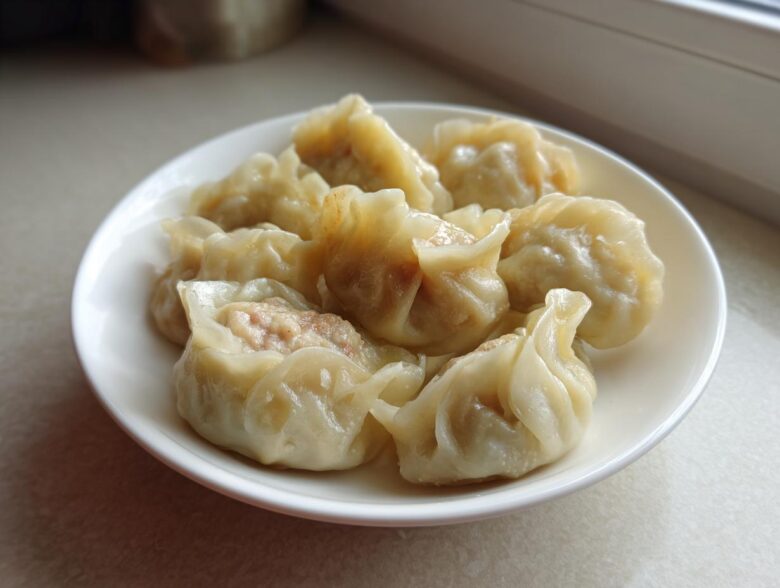
There’s just something deeply satisfying about making something truly special completely from scratch, isn’t there? It’s where the real flavor lives! Hannah and I believe that the best memories are often made right at the kitchen counter, quietly working with our hands. That’s exactly what you get when you make these Traditional Chinese Dumplings. Forget those stiff, store-bought skins; we’re making our own homemade dumpling wrappers around a super savory pork and cabbage filling. This process isn’t just cooking; it’s creating something meaningful, just like all the simple meals we’ve built our life around back at Flavor Vista. You can read more about how we approach cooking over at our About Us page! Trust me, once you try these, you’ll never go back!
Why This Recipe for Traditional Chinese Dumplings is a Must-Try
I know it seems like a lot of effort to make these Traditional Chinese Dumplings completely from scratch, but I promise you the payoff is huge! We wouldn’t share it if it wasn’t truly the best way to capture that authentic taste we love so much.
- These hit all the right notes for an unbelievably satisfying pork cabbage dumplings experience.
- They are the perfect centerpiece for celebrations, especially making your lunar new year dumplings feel incredibly special.
- We spent ages perfecting the dough ratio so you get that ideal chewiness that makes all the difference.
Flavor Profile and Authenticity of our Traditional Chinese Dumplings
What I love most about this filling is the balance. The earthy sweetness from the cabbage works perfectly against the savory pork, and that hit of fresh ginger and Shaoxing wine just wakes everything up! It’s exactly what I remember eating growing up—this is purely authentic jiaozi territory, folks. No strange shortcuts here!
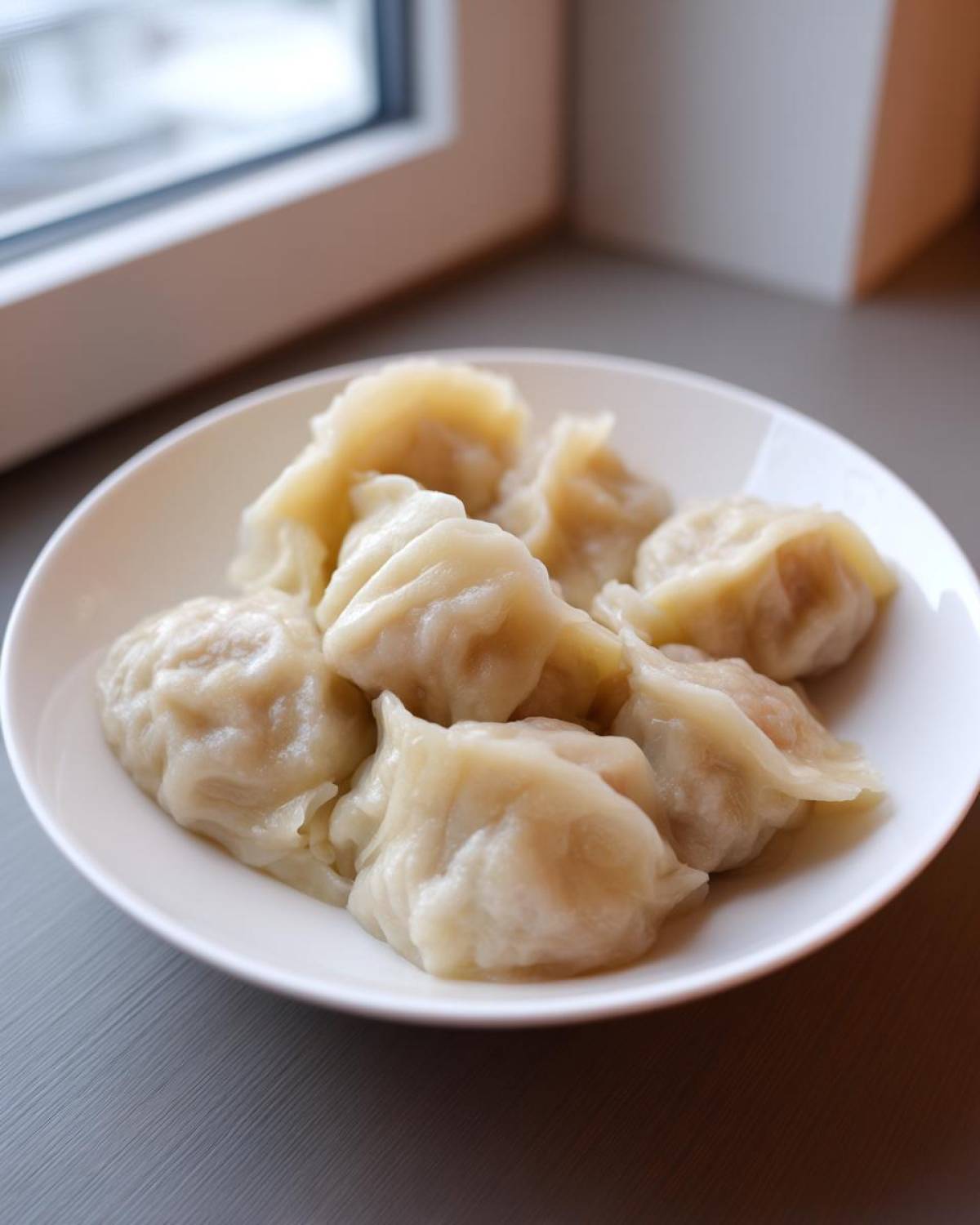
Making Homemade Dumpling Wrappers for Your Traditional Chinese Dumplings
Seriously, don’t skip the dough! The texture you get from homemade dumpling wrappers is chewy yet tender, and it cradles the filling so much better than any packaged skin. It’s just flour and water, but rolling them thin and getting that slight elasticity just elevates these Traditional Chinese Dumplings from good to unforgettable.
Gathering Ingredients for Authentic Jiaozi (Traditional Chinese Dumplings)
Getting your ingredients ready is half the battle, and I always think of cooking as setting a stage! For these Traditional Chinese Dumplings, we need simple, high-quality items, especially for that incredible filling. If you need to see the full breakdown again, you can check out the core recipe page right here. We aren’t messing around when it comes to getting that perfect pork cabbage dumplings taste.
Essential Components for Perfect Pork Cabbage Dumplings
Let’s start with the dough, because that’s the hug for the filling! You only need 2 cups of all-purpose flour, and the secret is using about 2/3 cup of nice, warm water. Don’t use cold water; it won’t cooperate when you knead it! For the filling, we need one pound of ground pork—make sure it’s not too lean because the fat carries flavor. The main vegetable component is 2 cups of Napa cabbage, which you must chop very finely. Seriously, chop it small! We lightly salt and drain that cabbage first to make sure it doesn’t weep water while you’re cooking the authentic jiaozi.
Then come our flavor boosters! We’re adding scallions, fresh grated ginger for a little kick, good quality soy sauce, a splash of Shaoxing rice wine, and just a hint of sesame oil. Don’t forget the salt and white pepper—they really bring everything together cohesively.
Step-by-Step Guide to Making Traditional Chinese Dumplings
Okay, this is where Elias’s steady hand really comes into play! We’ve got our ingredients ready, and now we turn this beautiful assembly of components into actual, edible Traditional Chinese Dumplings. Don’t be intimidated by the folding part; we’ll get to that in a minute. Let’s start with the foundation—the dough!
Mastering the Homemade Dumpling Wrappers
First things first, you mixed your flour and warm water until it looked like a shaggy mess, right? Now, dump that out onto your counter. You need to knead this dough with purpose for a solid 8 to 10 minutes. It can feel tough at first, but stick with it! You want it smooth and slightly elastic when you’re done. Once that happens, cover it tightly with plastic wrap. This resting period is non-negotiable! Let it chill out for at least 30 minutes—ideally longer. This lets the gluten relax so you can roll the wrappers super thin later without them fighting you. Remember to keep any dough balls you aren’t actively rolling covered because they dry out fast!
Creating the Savory Pork Cabbage Dumplings Filling
While that dough is resting up, let’s tackle the flavor engine. Grab your bowl with the seasoned ground pork and all those finely chopped vegetables and aromatics. Hannah insists on mixing this thoroughly, and I mean thoroughly, in one consistent direction. Keep stirring and turning until the whole mixture looks sticky and bound together. That stickiness is what prevents your filling from crumbling apart when you boil the dumplings. The ginger and that splash of wine really brighten up the richness of the pork, making these pork cabbage dumplings taste so vibrant.
Folding and Pleating Your Traditional Chinese Dumplings
Once your dough is rested, roll it into a long snake and cut it into 30 to 40 small, equal pieces. Take one piece, flatten it gently, and roll it out round—remember, keep the edges a little thinner than the middle if you can manage it! Now, put about a teaspoon of filling right in the center. Before you seal, use your finger to lightly wet the edges with just plain water. Then, fold it into a half-moon and start making those little decorative pleats along the sealed edge. Pleat firmly! This seals the moisture in perfectly, guaranteeing that you end up with beautiful, authentic Traditional Chinese Dumplings that don’t pop open when they hit the water. If you want an extra layer of help on folding techniques, I’ve got a great resource on a side idea that might give you a similar rolling mindset!
Cooking Methods for Traditional Chinese Dumplings: Boiling and Beyond
We’ve done the hard work of making those beautiful homemade dumpling wrappers and crafting the perfect filling. Now, it’s time to cook them! For these Traditional Chinese Dumplings, boiling is absolutely the way to capture that soft, slightly yielding texture that is so characteristic of the best authentic jiaozi.
You’ll need a good-sized pot of water—don’t cram them in there! Get that water to a real, rolling boil. Hannah always warns me not to just drop them in haphazardly, because if they hit the bottom too fast, they might stick. So, gently lower them in. You want to stir them very gently right away, just enough to keep them separated and off the bottom of the pot. If you ever need to quickly reference the wrapper technique, I’ve put the full recipe details here, but honestly, watching them float is the best visual cue!
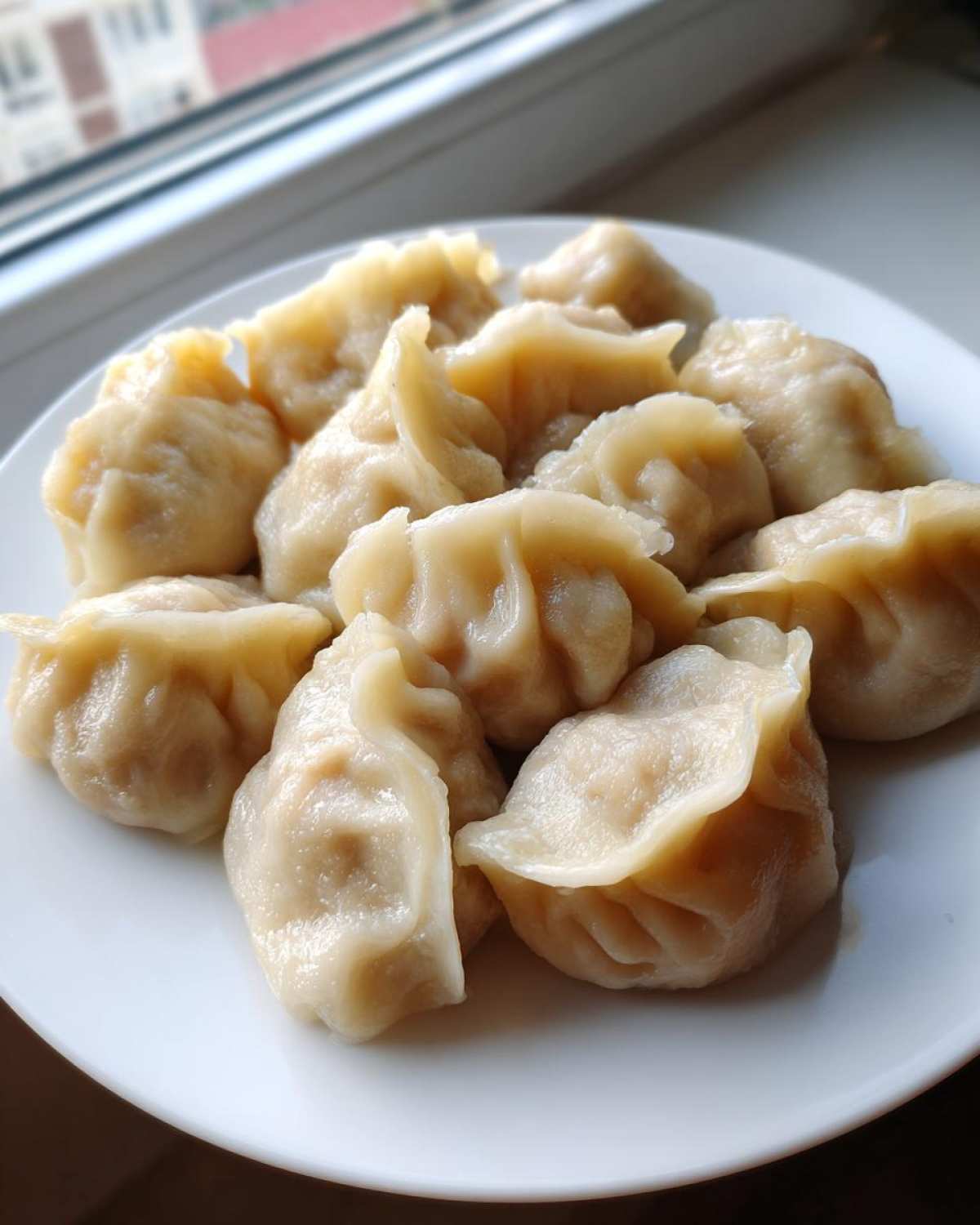
The cooking time is usually only about 5 to 7 minutes. You’ll know they are ready because they’ll start to float up to the surface—it’s like they are waving hello! Once they float, give them just another minute or two to make absolutely sure that pork filling is cooked through. They will look plump and slightly translucent through the skin. We usually call these perfect boiled Chinese dumplings when they hit that stage.
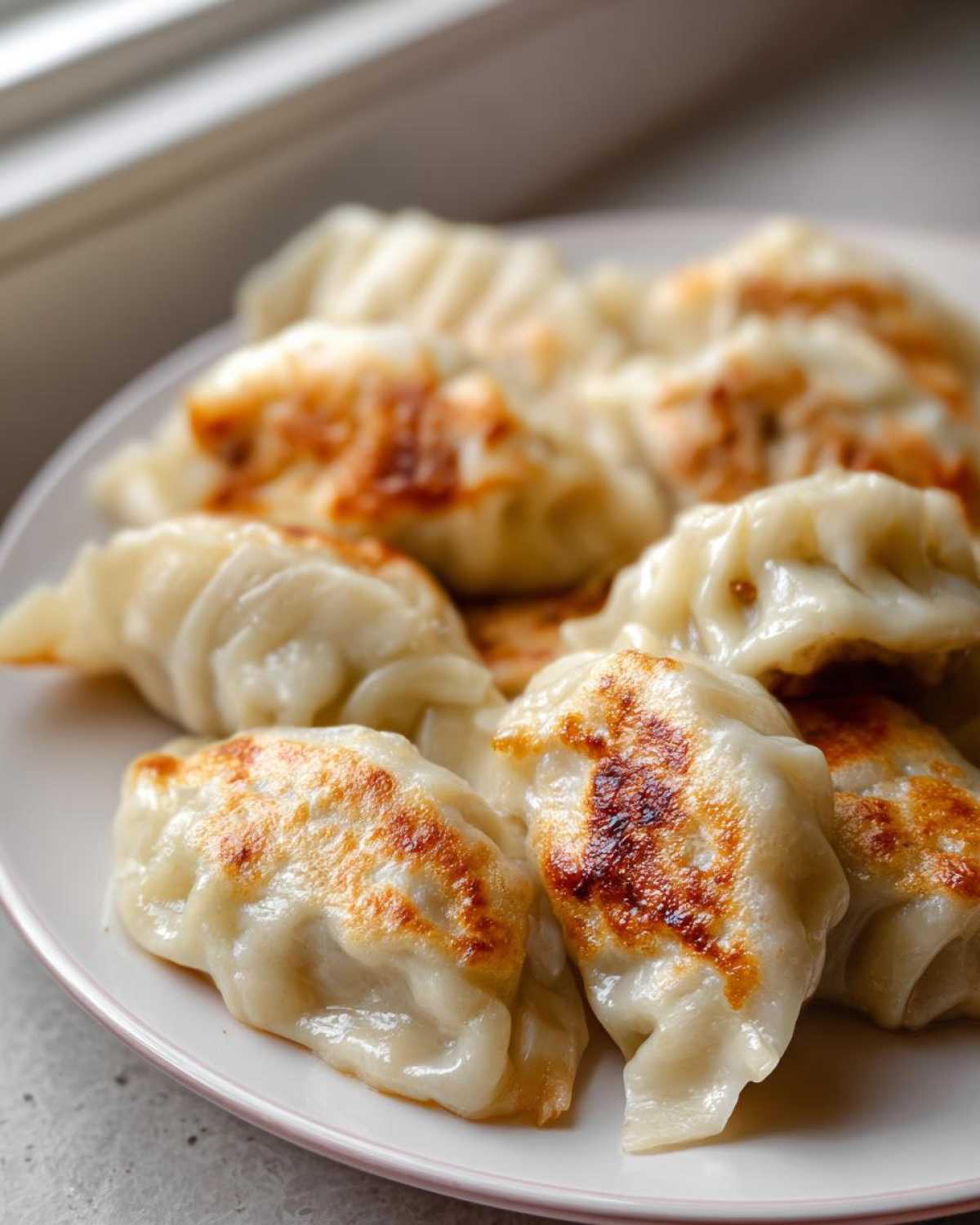
While boiling is our go-to for that classic texture, I know sometimes people want a different finish! If you want them crispier, you can always quickly pan-fry these after boiling them, or even try a potsticker method first. But for the pure, soft experience of Traditional Chinese Dumplings, steam or boil is the classic finishing move.
Tips for Perfect Traditional Chinese Dumplings Every Time
Even with a perfect recipe, sometimes things just don’t go according to plan in the kitchen, right? That’s okay! Cooking is a learning process, and Hannah and I have certainly wrestled with sticky dough and mushy fillings over the years. The key is knowing how to adjust on the fly, which is what Elias’s steady hand is really good for—keeping calm when the dough gets temperamental! Here are a few things we’ve learned that ensure you get beautiful, intact Traditional Chinese Dumplings every single time you set out to make them.
When you’re rolling out dozens of these, it’s easy to get distracted, and a dry wrapper is the enemy! I always keep a small bowl of water right next to my rolling station, and if a wrapper looks like it’s starting to stiffen up, I might lightly mist the whole stack with a tiny bit of water before covering them again. It sounds excessive, but it works wonders!
Troubleshooting Common Traditional Chinese Dumplings Issues
Let’s talk fixes. If your dough keeps tearing when you roll the wrappers thin, it usually means you didn’t knead it long enough initially, or you skipped the resting time. The gluten is too tight! Try letting a batch rest for an extra 15 minutes next time. It’s worth the wait, I promise.
Now, if your boiled Chinese dumplings are sticking to the bottom of the pot, you need more space and gentle stirring. Make sure your pot of water is large enough that the dumplings aren’t crowding each other. Stirring immediately after they go in, and then maybe once more halfway through cooking, usually solves that sticking problem right away. If you’ve got extra, make sure you check out some of our other favorite recipes over on the Flavor Vista blog for even more inspiration!
Finally, if you notice your filling seems watery, it means you skipped salting and squeezing that cabbage. That moisture will eventually leak out into the wrapper while cooking, weakening the structure. Always drain that cabbage well before mixing it into your pork!
Storing and Freezing Your Traditional Chinese Dumplings
One of the best things about making a huge batch of Traditional Chinese Dumplings is knowing you have amazing, homemade food ready for future weeknights! Hannah and I often make double batches because, frankly, it takes the same amount of time to fold twenty dumplings as it does to fold forty. Plus, nobody ever complains about having extras, especially when they are so wonderfully freezer friendly dumplings.
The technique here is key to making sure they don’t turn into one giant frozen lump! You absolutely need a good, clean surface lined with parchment paper—don’t try to skip the parchment, or you’ll regret it an hour later when you try to peel them off the tray. Lay your beautifully folded Traditional Chinese Dumplings out on that sheet in a single layer. Make sure they aren’t touching each other at all, sort of like little happy neighbors who have been asked to keep their distance for a little while.
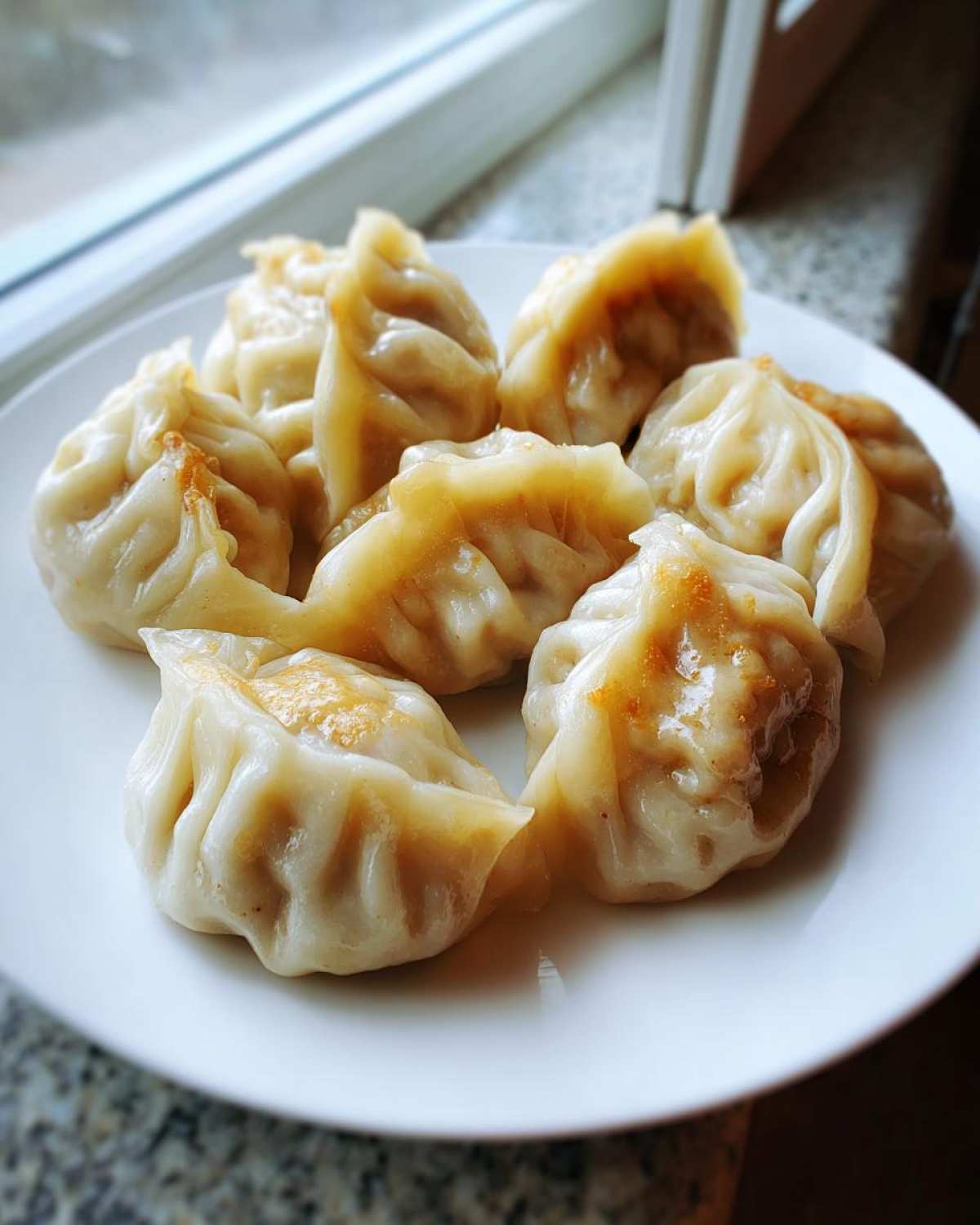
Pop that entire tray right into the freezer. You have to let them freeze completely solid. Depending on your freezer temperature, this might take an hour or two. Once they feel like little frozen rocks, you can gather them all up and transfer them into a sturdy freezer bag or an airtight container. I always try to squeeze out as much air as possible before sealing them up tight!
When you are ready to cook them later, you actually cook them straight from frozen. Just treat them like fresh dumplings but add maybe two or three extra minutes to your boiling time to ensure that savory pork filling is heated all the way through. It’s the easiest way to enjoy the absolute best Traditional Chinese Dumplings without starting from scratch again!
Serving Suggestions for Your Authentic Jiaozi
You did it! You made the most incredible, tender, savory pork cabbage dumplings from scratch. That alone deserves a celebration, but we can’t eat these beauties plain, can we? The dipping sauce is where you really get to personalize the flavor experience, and honestly, it takes about thirty seconds to whip up.
The classic sauce we always use is wonderfully easy. It’s a simple trio: good quality soy sauce, some sharp rice vinegar—I like the tang it adds—and a drizzle of chili oil if you like a little heat. We usually mix that up in a small individual dish for each person so everyone can customize how much they want. Just stir those three things together, and you are good to go!
While the dumplings are the star, they love a simple, bright supporting cast. We rarely make a heavy side dish when we have these, usually opting for something green and fresh to balance the richness of the pork. My current favorite pairing is these amazing Chinese Green Beans with Garlic Sauce. They cook up so quickly, and the garlic and ginger notes complement the dumpling filling beautifully without competing with it. Honestly, sometimes just a simple side of blanched bok choy tossed with a sprinkle of salt is all you need when you have such amazing Chinese dumplings recipe right in front of you!
Frequently Asked Questions About Traditional Chinese Dumplings
Hannah and I know that when you invest time into making a big batch of these wonderful Traditional Chinese Dumplings, you have questions! We want to make sure everything goes perfectly, whether you’re prepping for the lunar new year dumplings feast or just stocking the freezer. Here are a few things people ask us most often.
Can I use store-bought wrappers for these Traditional Chinese Dumplings?
Oh, that old question! Look, if you are in an absolute pinch and need dinner on the table faster than you can make the dough, sure, you *can* use store-bought wrappers. They save a ton of time upfront. However, I have to be honest—you are sacrificing that wonderful, slightly chewy, tender texture that only the truly homemade dumpling wrappers give you. If you do use store-bought, grab the thinnest round ones you can find! But for the best experience, stick with the scratch dough; it’s worth the extra 30 minutes of kneading and resting.
What is the best way to reheat leftover Traditional Chinese Dumplings?
This is a great question, especially if you’ve made a massive stash of freezer friendly dumplings! You definitely don’t want to microwave them; that makes them gummy. The two best methods are steaming or pan-frying. Steaming brings them back to that lovely soft texture, almost like they were just cooked fresh. Just place them in a steamer basket over simmering water for about 6 to 8 minutes.
If you’re looking for that crispy bottom, try pan-frying! Heat a tablespoon of oil in a non-stick skillet, place your leftover Traditional Chinese Dumplings flat side down, and let them sizzle until the bottoms are golden brown. Then, add just a tiny splash of water to the pan and immediately cover it. Let the steam cook the rest of the dumpling through for about 4 or 5 minutes. That contrast between the crispy bottom and the soft top when eating those leftover pork cabbage dumplings is just divine!
Nutritional Snapshot of These Pork Cabbage Dumplings
Now, I know some of you are tracking macros or just curious about what’s in your incredible homemade meal, so here is a little rundown on the estimated nutrition for these amazing Traditional Chinese Dumplings. Remember, because we are making everything from scratch—plus, we use ground pork which varies in fat content—these numbers are just a guide. They are based on a serving size of about 5 dumplings, which is usually what Hannah and I eat as a hearty appetizer or a light main course!
We always encourage checking out our full disclaimer here for more details, but looking at this, you can see they are packed with fantastic protein, and the fat is mostly coming from the rich ground pork!
- Serving Size: 5 dumplings is our standard!
- Calories: Roughly 250 per serving. It’s a dense, satisfying calorie count!
- Protein: A solid 16g of protein to keep you full.
- Fat: Around 10g total, which includes about 3g of saturated fat.
- Carbohydrates: About 25g, mostly coming from the homemade wrappers we worked so hard on.
- Sodium: This tends to be the highest number at 450mg because of the soy sauce we use for flavor, so be mindful if you are adding extra salt elsewhere.
It’s comforting food, but when homemade, you control exactly what goes into that wrapper, which is more than you can say for most takeout!
PrintAuthentic Pork and Cabbage Chinese Dumplings (Jiaozi)
Make traditional Chinese dumplings from scratch with homemade wrappers filled with savory pork and cabbage. This recipe is perfect for Lunar New Year or any weeknight meal.
- Prep Time: 45 min
- Cook Time: 10 min
- Total Time: 55 min
- Yield: 30-40 dumplings
- Category: Main Course
- Method: Boiling
- Cuisine: Chinese
- Diet: Low Fat
Ingredients
- 2 cups all-purpose flour
- 2/3 cup warm water (plus more if needed)
- 1 pound ground pork
- 2 cups finely chopped Napa cabbage
- 1/4 cup finely chopped scallions
- 2 tablespoons soy sauce
- 1 tablespoon Shaoxing rice wine
- 1 teaspoon sesame oil
- 1 teaspoon grated fresh ginger
- 1/2 teaspoon salt
- 1/4 teaspoon white pepper
Instructions
- Make the dumpling wrappers: In a large bowl, combine the flour and warm water. Mix until a shaggy dough forms. Knead the dough on a lightly floured surface for 8 to 10 minutes until smooth. Cover the dough with plastic wrap and let it rest for at least 30 minutes.
- Prepare the filling: In a separate bowl, combine the ground pork, chopped Napa cabbage, scallions, soy sauce, rice wine, sesame oil, ginger, salt, and white pepper. Mix thoroughly in one direction until the mixture becomes sticky and well combined.
- Divide the dough: Roll the rested dough into a long log. Cut the log into 30 to 40 equal pieces. Keep the pieces covered so they do not dry out.
- Shape the wrappers: Take one piece of dough and roll it into a small ball. Flatten it slightly, then use a rolling pin to roll it into a thin, round wrapper, about 3 inches in diameter, keeping the edges slightly thinner than the center.
- Fill and fold: Place about 1 teaspoon of filling in the center of a wrapper. Moisten the edges with water. Fold the wrapper in half to create a half-moon shape, then create small pleats along the sealed edge to close the dumpling securely.
- Cook the dumplings: Bring a large pot of water to a rolling boil. Gently drop the dumplings into the water, stirring gently so they do not stick to the bottom. Cook for 5 to 7 minutes, or until the dumplings float and the filling is cooked through.
- Serve immediately, or proceed to freezing instructions if desired.
Notes
- For easy freezing, place uncooked dumplings on a parchment-lined baking sheet in a single layer. Freeze until solid, then transfer them to a freezer bag. Cook directly from frozen, adding a few extra minutes to the cooking time.
- You can substitute Napa cabbage with regular green cabbage if needed, but be sure to salt and drain it first to remove excess water.
- Serve your authentic jiaozi with a dipping sauce made from soy sauce, vinegar, and chili oil.
Nutrition
- Serving Size: 5 dumplings
- Calories: 250
- Sugar: 2
- Sodium: 450
- Fat: 10
- Saturated Fat: 3
- Unsaturated Fat: 7
- Trans Fat: 0
- Carbohydrates: 25
- Fiber: 1
- Protein: 16
- Cholesterol: 50